Whiskerwise Basics Challenge










Quiz Complete!
Whiskerwise Basics: Everyday Cat Care That Really Works

Living with a cat is a mix of quiet companionship and sudden bursts of chaos. The good news is that most cat problems people struggle with, like litter box misses, picky eating, and surprise scratches, can be reduced with a few practical habits. Think of this as the everyday foundation behind a smooth, comfortable home for both you and your four legged roommate.
Start with nutrition and hydration, because they affect nearly everything else. Cats are obligate carnivores, meaning they need animal based protein to thrive. Choose a complete and balanced food for your cat’s life stage, and make changes gradually over about a week to avoid stomach upset. Water matters just as much. Many cats do not drink enough, which can contribute to urinary issues. You can help by offering multiple water stations, keeping bowls away from litter boxes, and trying wide, shallow dishes that do not press on sensitive whiskers. Some cats drink more from a fountain because moving water seems fresher.
Litter box habits are often a communication system, not a rebellion. A common rule is one box per cat, plus one extra, placed in quiet, accessible locations. Scoop daily and wash the box regularly with mild soap, avoiding strong scents that may repel your cat. If a cat suddenly stops using the box, treat it as a health warning first. Urinary tract problems and constipation can become urgent quickly, especially in male cats. Straining, crying, frequent trips with little output, or blood in urine should prompt a prompt call to a veterinarian.
Grooming is not just about looks. Brushing reduces shedding, hairballs, and mats, and it gives you a chance to spot changes like lumps, dandruff, or tender areas. Long haired cats often need more frequent brushing, but short haired cats benefit too. Nails should be trimmed regularly to reduce snagging and accidental scratches. If trimming feels intimidating, ask a vet clinic or groomer to demonstrate. Dental care is another overlooked basic. Bad breath is not normal, and dental disease can affect the whole body. Even occasional tooth brushing or dental treats approved by your vet can help.
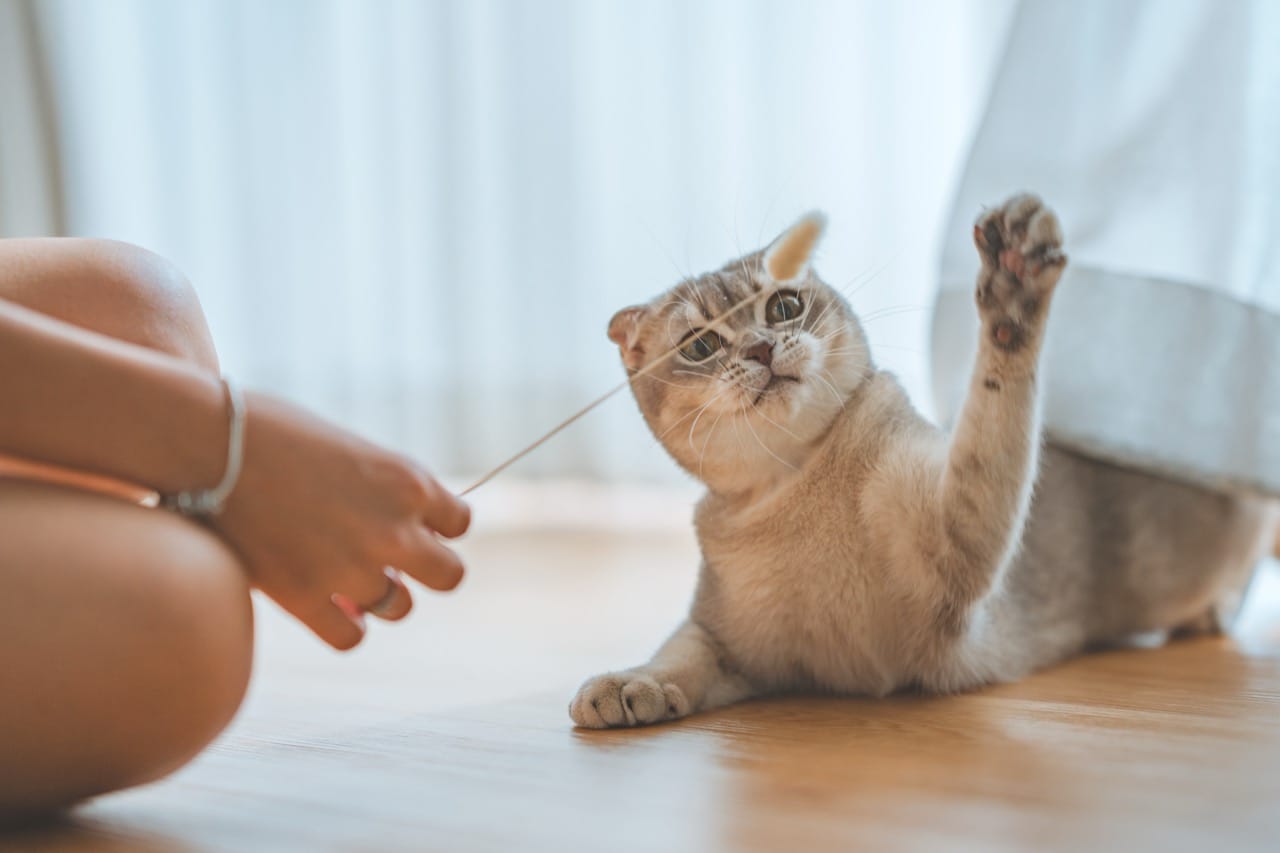
Play and enrichment keep a cat’s brain busy and their body healthy. Short, frequent play sessions mimic hunting: stalk, chase, pounce, then a small meal or treat to complete the cycle. Rotate toys to keep them interesting, and provide scratching posts in multiple areas, including near favorite sleeping spots. Vertical space like cat trees or shelves can reduce stress in multi cat homes by giving each cat escape routes and safe perches.
Learning stress signals can prevent bites and behavior problems. A relaxed cat often has soft eyes, a gently moving tail, and ears facing forward. Signs of discomfort include flattened ears, a twitching tail tip, sudden stillness, dilated pupils, or skin rippling along the back. Respect these warnings by giving space and ending interaction. For introductions to new pets or people, go slowly and use positive associations like treats and calm voices.
In the end, the best cat care is consistent, observant, and flexible. Small choices, like cleaner litter boxes, better water access, regular play, and attention to body language, can prevent big headaches later. When you meet your cat’s basic needs, you get the payoff: a calmer home, fewer messes, and more of those quiet, purring moments that make living together so rewarding.




.jpg)