Truth or Tall Tale Cats Edition




Quiz Complete!
Truth or Tall Tale Cats Edition: Separating Feline Facts from Familiar Myths
Introduction Cats inspire confident opinions. Some come from old traditions, some from half remembered advice, and many from watching a cat do something baffling and filling in the blanks. The trouble is that the most familiar explanation is not always the correct one. Understanding what is true about purring, night vision, whiskers, hairballs, and slow blinks can make you a better cat companion and a sharper myth spotter.
Purring is not always a sign of happiness A purring cat can be content, but purring is not a simple happiness meter. Cats also purr when they are stressed, injured, giving birth, or visiting the veterinarian. Researchers think purring may serve multiple purposes, including self soothing and communicating with caregivers. Some cats even produce a more urgent, higher pitched purr when they want food, which humans tend to find hard to ignore. If a cat is purring while hiding, not eating, or acting unusually quiet, treat it as a clue to look for other signs of discomfort.
Night vision is impressive but not magical Cats see well in low light thanks to large pupils, a high number of light sensitive rod cells, and a reflective layer in the eye called the tapetum lucidum. That is why their eyes seem to glow when light hits them at night. However, cats do not see in total darkness. They still need some light to work with. Their vision is also tuned more for motion detection than fine detail, which helps explain why a cat can spot a tiny moving speck but ignore a still object right in front of them.
Whiskers are sensory tools, not decorations Whiskers are specialized hairs connected to nerves and muscles. They help cats judge spaces, detect air currents, and track nearby movement, especially in dim light. A common myth is that whiskers measure whether a cat can fit through an opening. In reality, whisker length varies, and cats use their whole body awareness, not just whiskers, to decide. What is true is that whiskers are sensitive. Crowded food bowls can press on them and cause discomfort sometimes called whisker stress. If your cat seems to paw food out of a deep bowl, a wider, shallow dish may help.
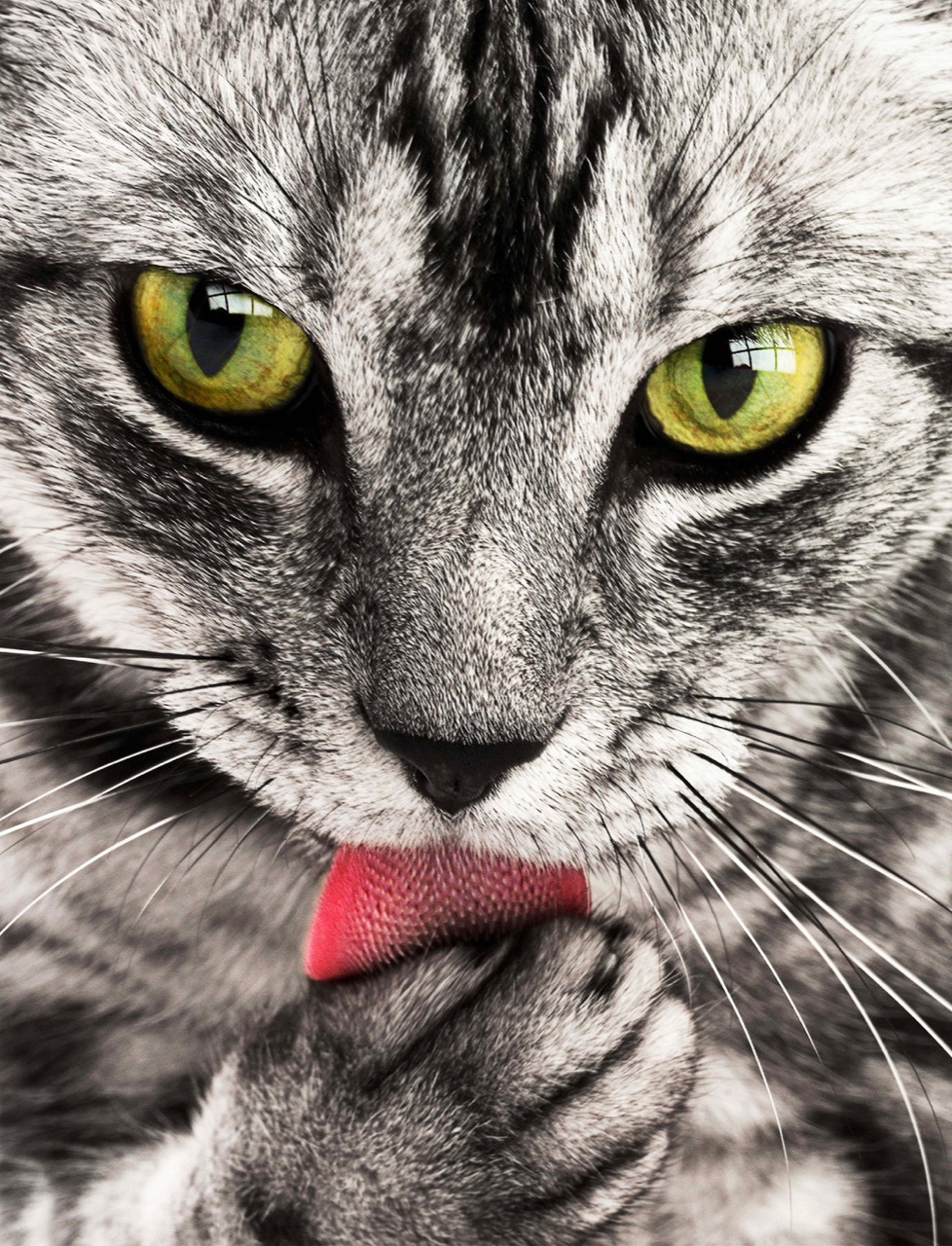
Hairballs are common, but frequent ones are a warning Cats groom to stay clean, and swallowed fur can form hairballs that get coughed up. An occasional hairball can be normal, especially in long haired cats. But frequent vomiting, hacking without producing a hairball, constipation, or loss of appetite can signal a problem such as intestinal blockage, parasites, food intolerance, or asthma like airway irritation. Regular brushing, hydration, and appropriate diet can reduce hairball issues, but repeated episodes should be discussed with a veterinarian.
Slow blinks and tail signals reveal emotional nuance The slow blink is often described as a cat kiss. While it is not proof of love in a human sense, it is a reliable sign of relaxation and trust. Cats are less likely to slowly blink when they feel threatened. You can try returning a slow blink and looking slightly away, which many cats find reassuring. Tail language is equally nuanced. A tail held high can signal friendly confidence, but a twitching or thumping tail often means arousal or irritation, not playfulness.
Milk, training, and other modern myths The classic image of a cat drinking milk is misleading. Many adult cats are lactose intolerant, and milk can cause digestive upset. Fresh water is the best everyday drink. Another myth is that cats cannot be trained. They can learn routines, tricks, and cooperative behaviors using rewards, short sessions, and patience. Finally, cats are sometimes labeled as aloof or unfeeling. In reality, they form strong social bonds, recognize familiar people, and communicate with a rich mix of vocalizations, scent marking, and body language.
Conclusion Cats are masters of seeming mysterious, which is why myths stick so easily. The truth is often more interesting than the tale: purring can be complex, night vision has limits, whiskers are precision sensors, hairballs are not always harmless, and slow blinks are a real window into feline comfort. The more you swap assumptions for evidence, the better you will understand what makes cats tick and the easier it becomes to care for them wisely.



.jpg)