House Cat Habits You See Every Day
Quiz Complete!
House Cat Habits You See Every Day Explained
Introduction Living with a house cat means sharing your home with a creature that can look perfectly relaxed and then act like something invisible just challenged it to a race. Many everyday cat habits seem random, but most have clear roots in feline biology, communication, and instinct. Understanding these small behaviors can make cat life feel less mysterious and can help you meet your cat’s needs more confidently.
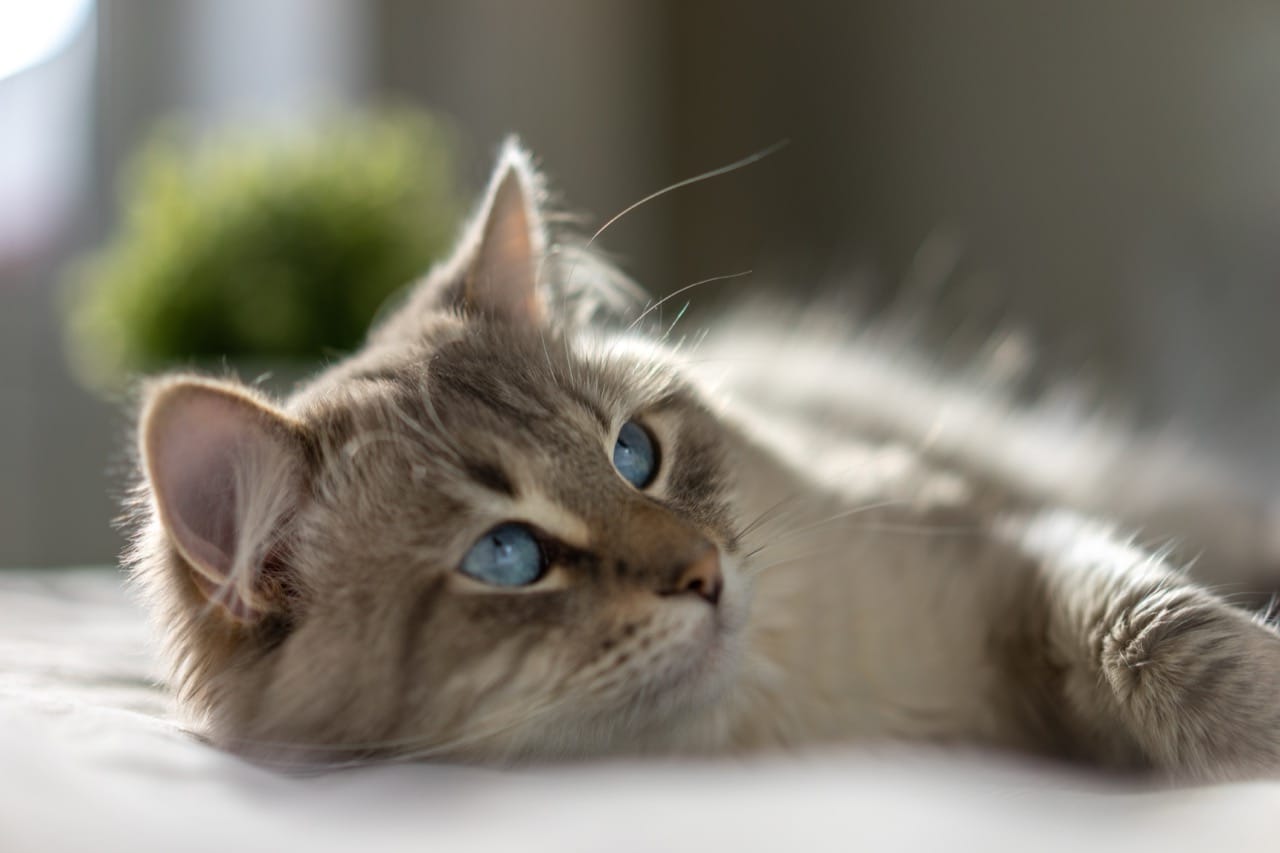
The language of calm: slow blinks, loafs, and nap choices A slow blink is often called a cat “kiss,” and while that is a bit poetic, the idea is close. In cat communication, prolonged direct staring can be a threat. Soft eyes and slow blinks signal comfort and trust. If your cat slow blinks at you, try returning one; many cats respond by relaxing further.
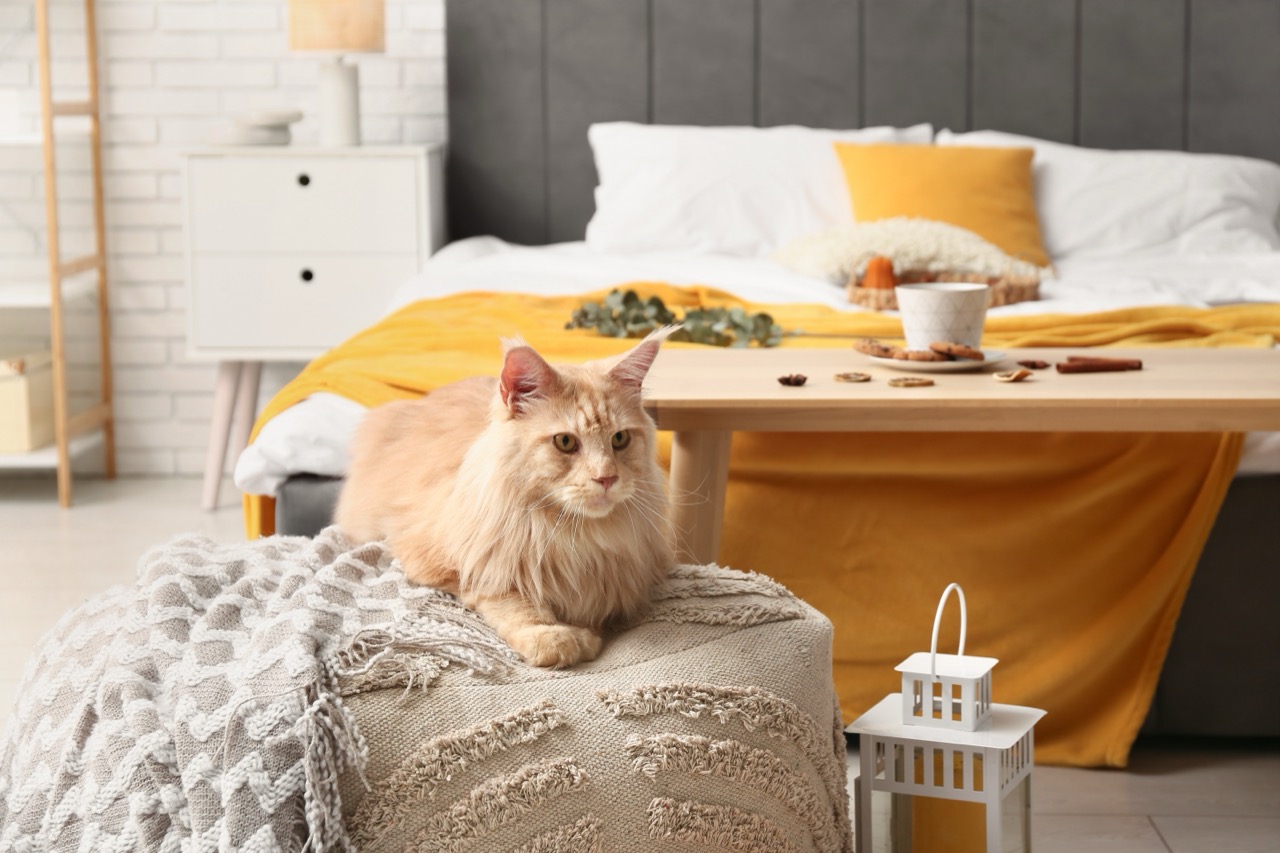
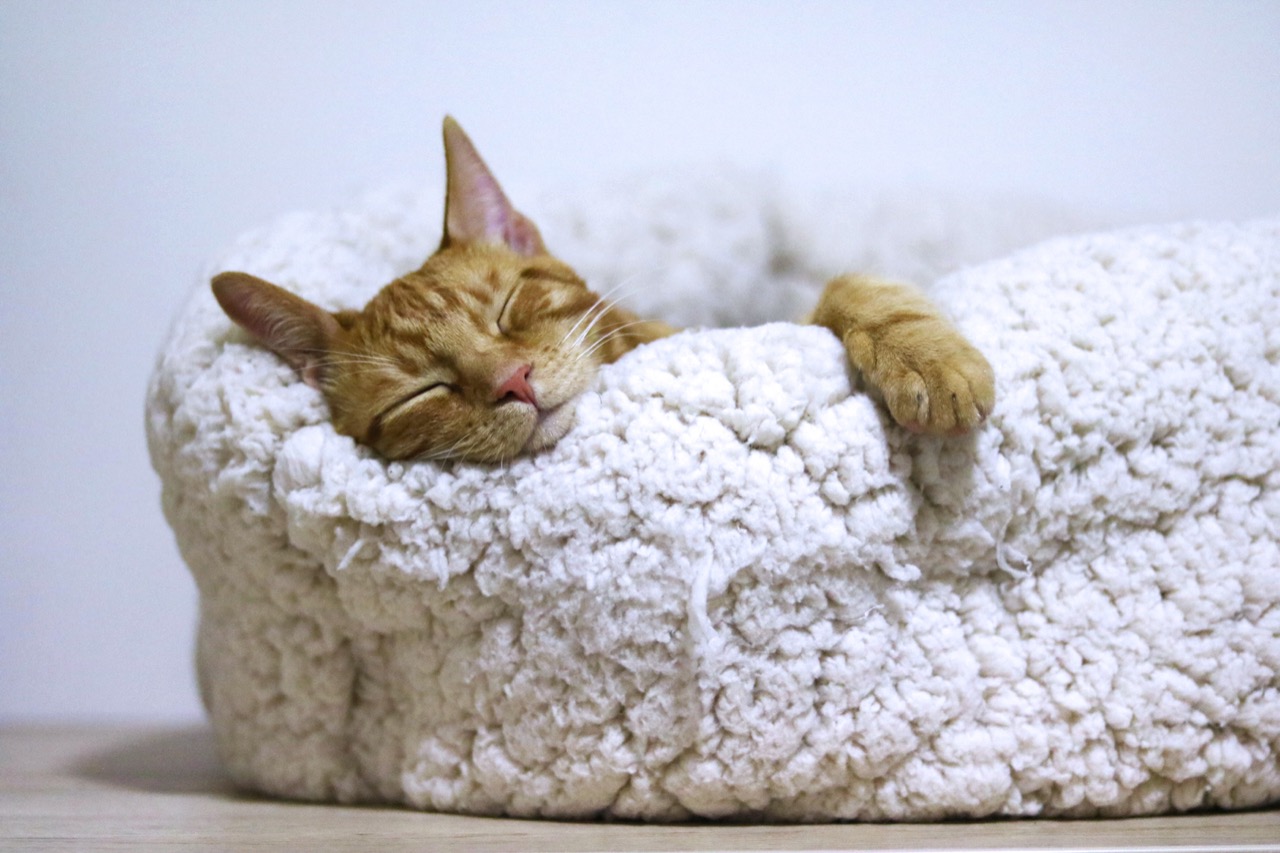
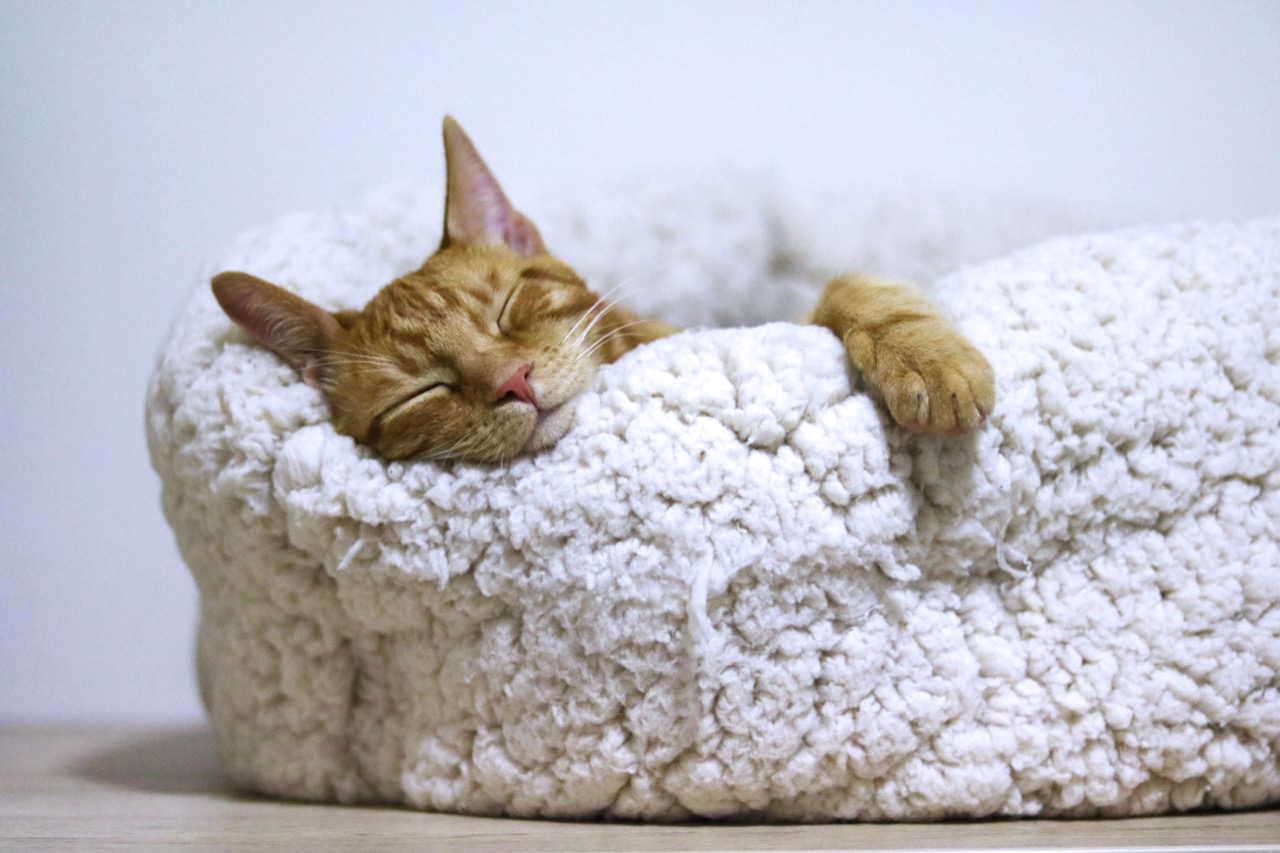
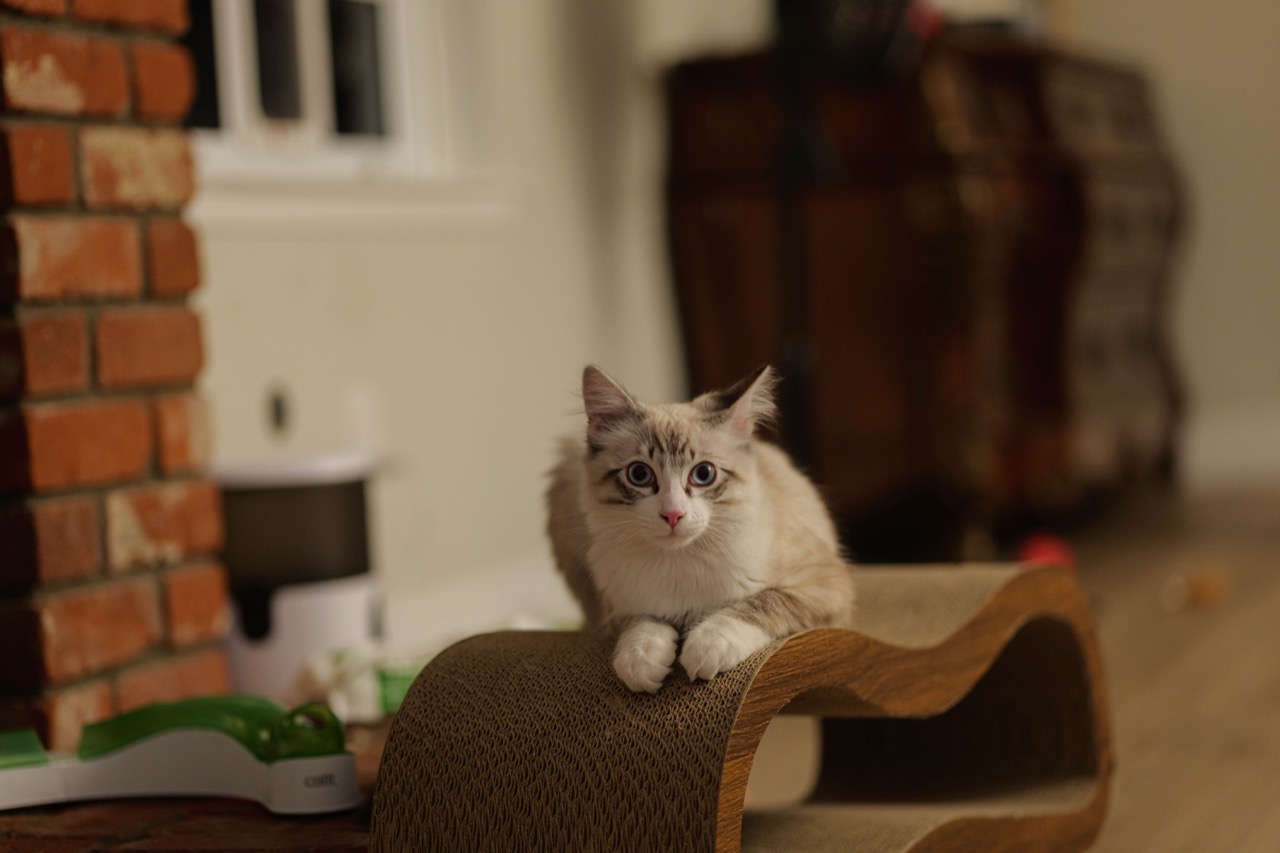
The classic loaf position, with paws tucked under, is a compromise between rest and readiness. It helps conserve warmth and keeps the cat prepared to move quickly if needed. Nap locations are rarely chosen at random, either. Cats seek warmth, safety, and good vantage points. A sunny window, a high shelf, or the middle of your bed can offer heat, security, and a view of the household “territory.”
Affection that feels odd: headbutts, cheek rubs, and following you When a cat bumps you with its head or rubs its cheeks along your legs, it is doing more than asking for attention. Cats have scent glands around the cheeks, forehead, and chin. Rubbing marks you and the environment with familiar scent, which helps the cat feel secure. It is both social bonding and territory management.
Some cats follow their people from room to room. This can be affection, curiosity, or a simple preference for being near the household’s main activity. It can also be learned behavior: if following you often leads to play, treats, or a door opening, the cat will keep doing it.
Sudden zoomies and play hunting The hallway sprint, sometimes called “the zoomies,” is usually a burst of stored energy. Cats are built for short, intense hunts rather than long endurance. Indoor life can mean fewer chances to stalk and chase, so energy comes out in quick explosions. Regular interactive play, especially with wand toys that mimic prey movement, can reduce frantic running and help satisfy hunting instincts.
You may notice your cat “chattering” at birds through a window. The exact reason is debated, but many experts think it reflects excitement and frustration, or a predatory response as the cat imagines a hunt it cannot complete.
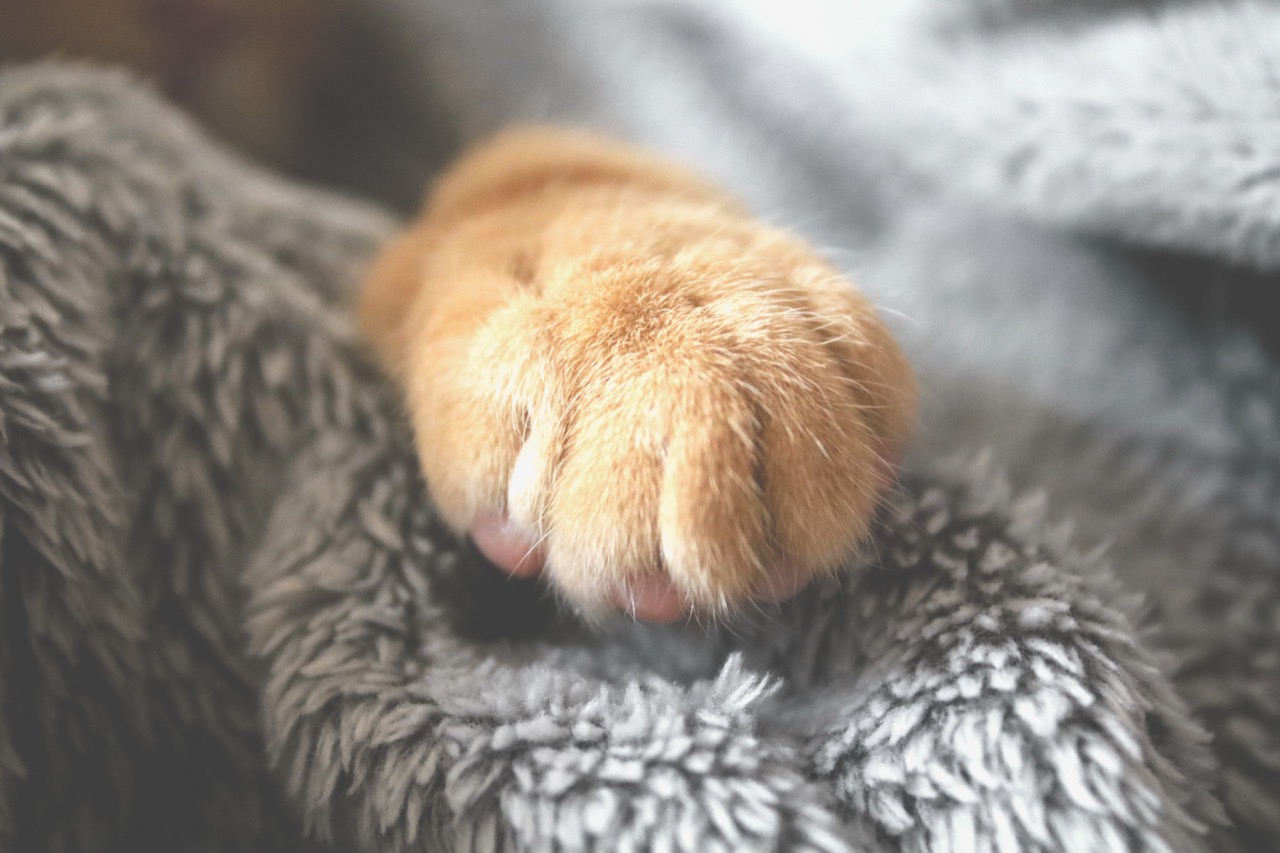
Scratching is not misbehavior, it is maintenance and messaging Scratching posts matter because scratching is a normal, healthy behavior. It removes old layers of claw, stretches the shoulders and back, and leaves both visual marks and scent signals from glands in the paws. If a cat scratches furniture, it often means the preferred scratching option is missing, unstable, or in the wrong location. A sturdy post near favorite resting areas and along common pathways, plus different textures like sisal and cardboard, usually helps.
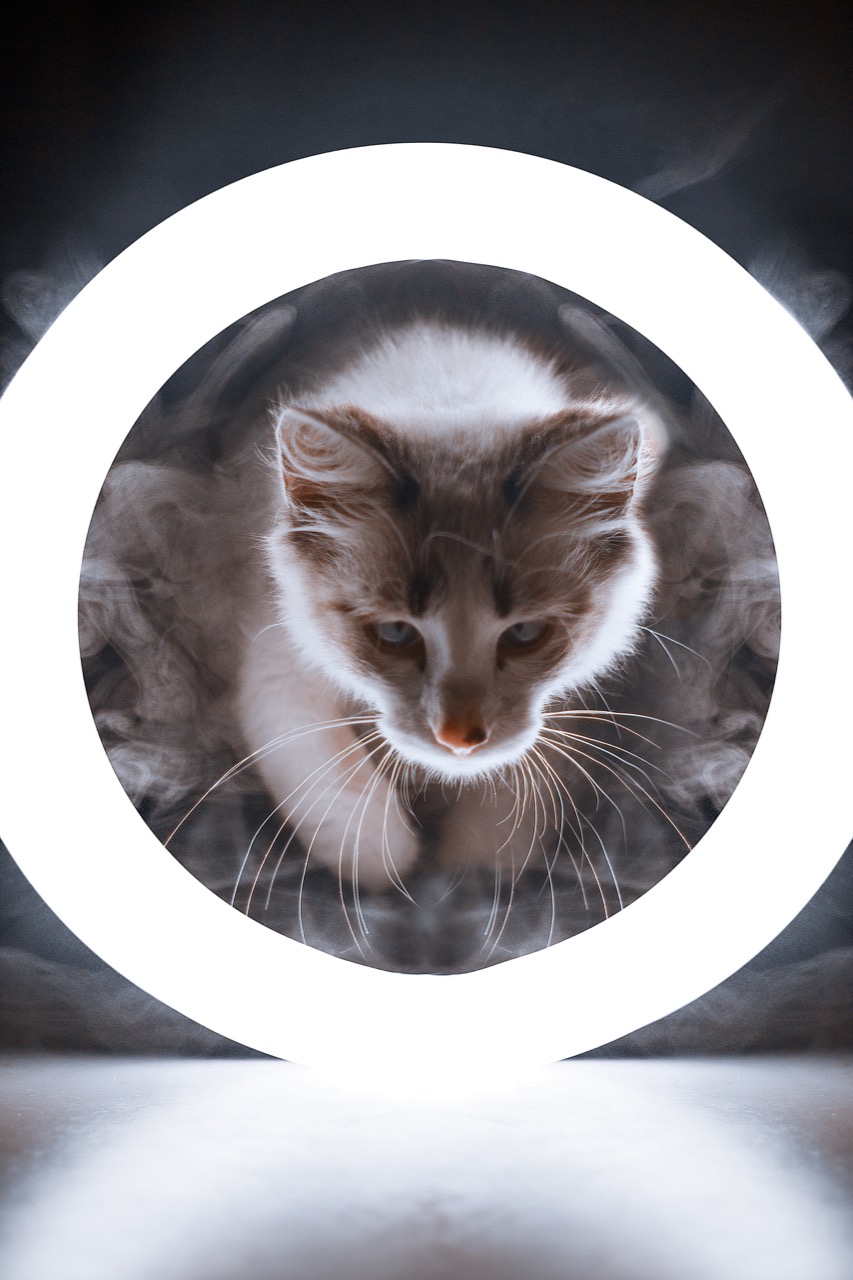
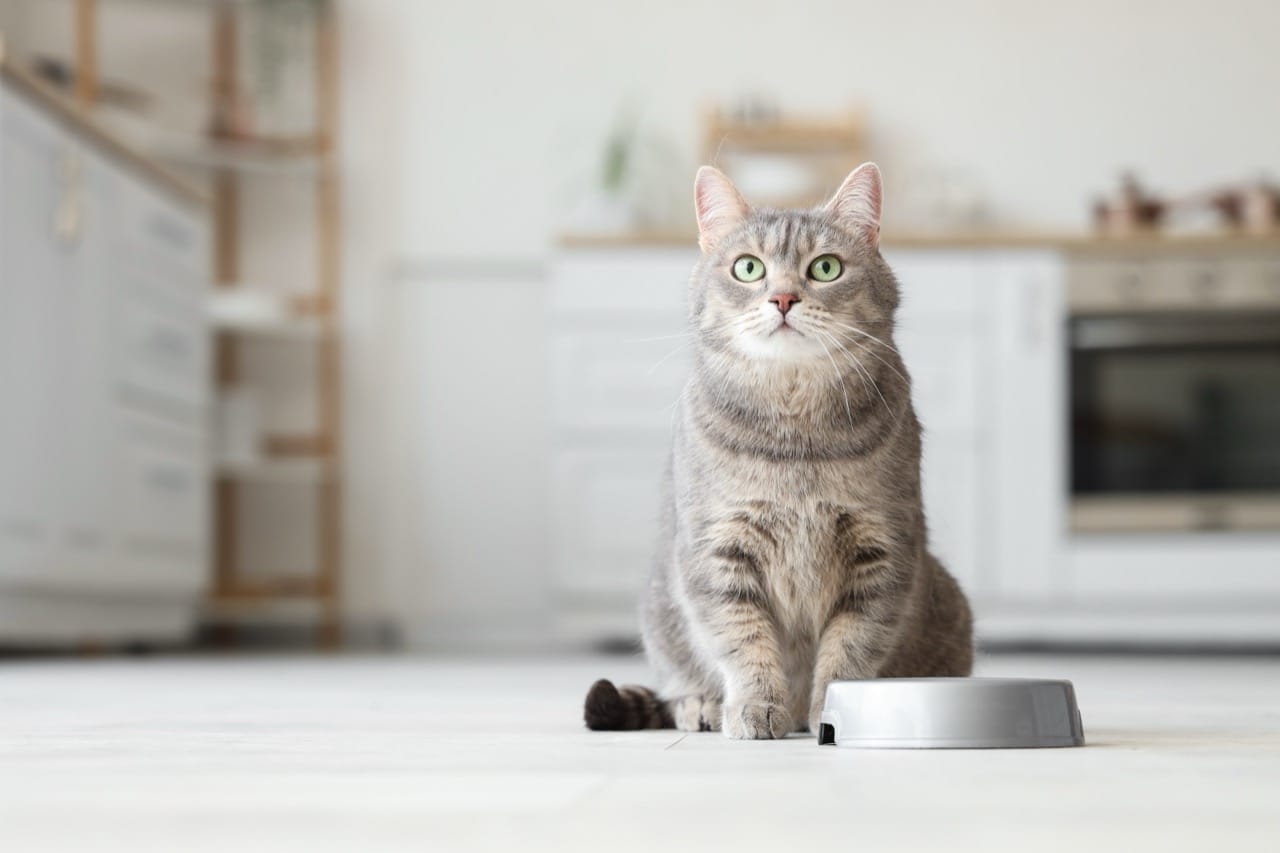
Whiskers and the sensory world Whiskers are not just decorative. They are sensitive touch sensors that help cats judge spaces and detect subtle air movements. This is one reason some cats dislike deep, narrow bowls: whiskers brushing the sides can be uncomfortable, a problem often called whisker fatigue. Wide, shallow dishes can make meals more pleasant.
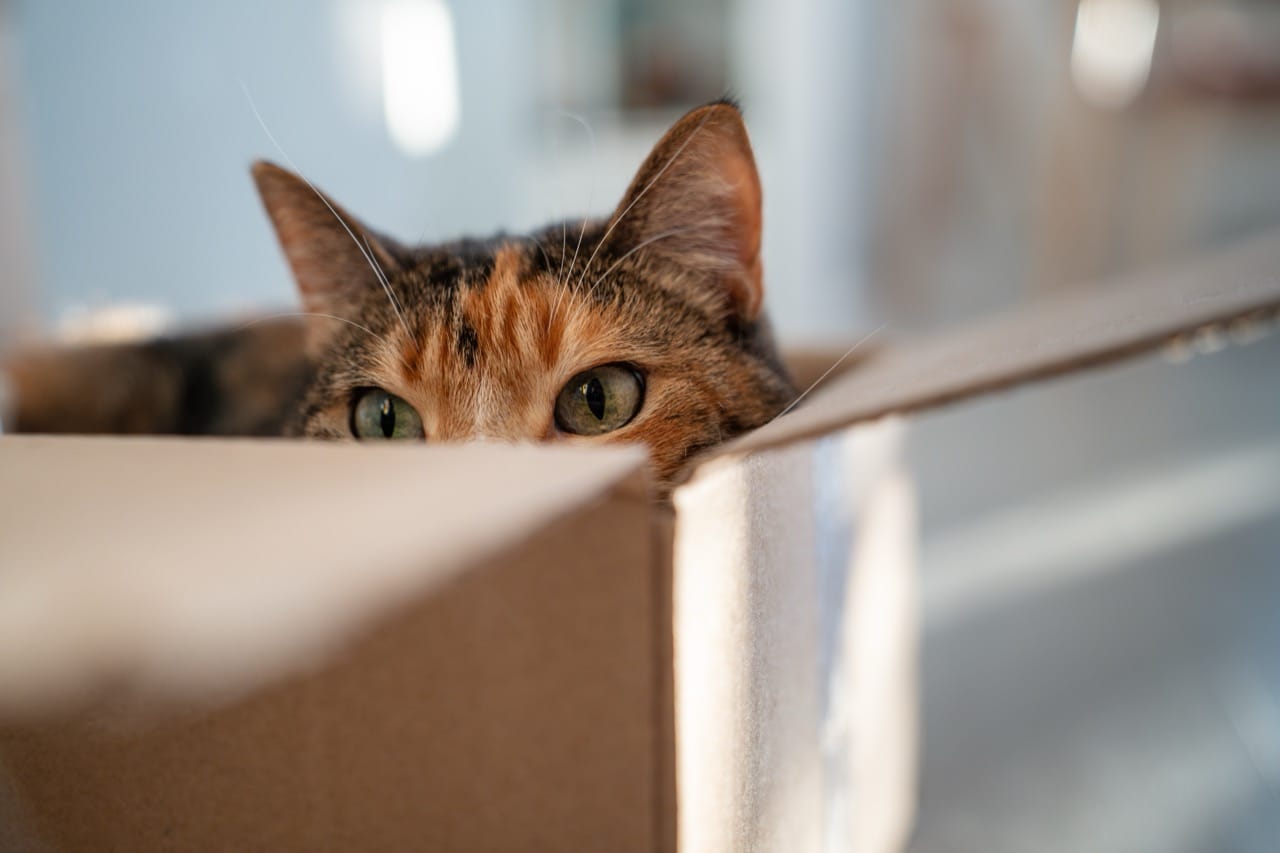
Cats also experience the world through scent. They may investigate bags, shoes, and boxes because these items carry new smells and information. A cardboard box is more than a cheap toy: it offers a small, enclosed space that feels safe, holds warmth, and provides a perfect hiding spot for ambush play.
Conclusion Everyday cat habits, from slow blinks to scratching and sudden sprints, are clues to how cats communicate and cope with their environment. When you read these behaviors as normal feline strategies for safety, bonding, and hunting practice, your cat’s “mysteries” become a lot more predictable. The reward is a happier cat, fewer behavior problems, and a home where you can appreciate the tiny dramas and quiet rituals that make cats so fascinating.
.jpg)