Whiskerverse Brainwave Challenge


Quiz Complete!
Inside the Whiskerverse: How Cats Sense, Signal, and Share Our Homes
Introduction Cats can seem like tiny mysteries on four paws: silent one moment, sprinting down the hallway the next, then fixing you with a stare that feels oddly intentional. Behind the drama is a set of finely tuned senses, ancient survival tools, and social habits that have adapted to life with humans. Understanding a few basics about how cats perceive the world makes their quirks feel less random and their companionship even richer.
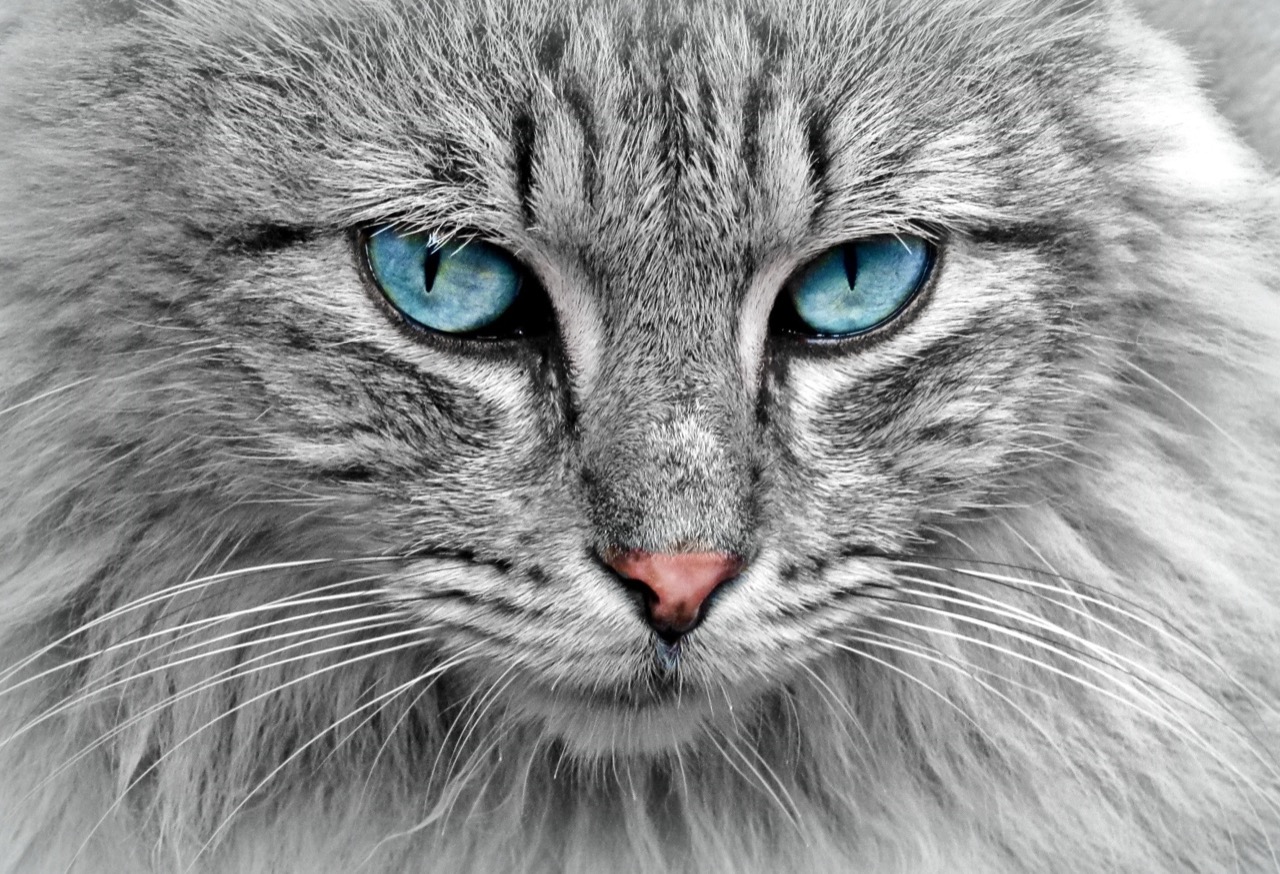
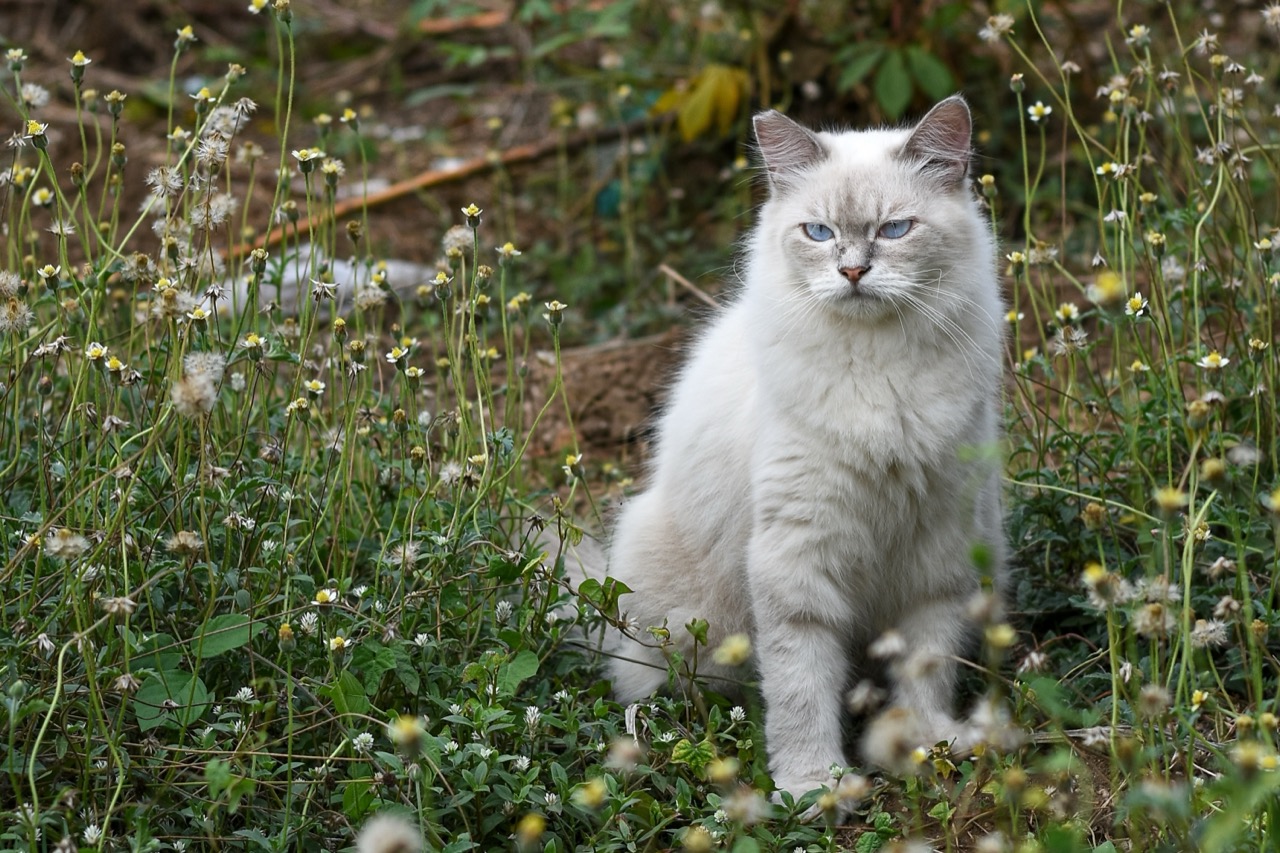
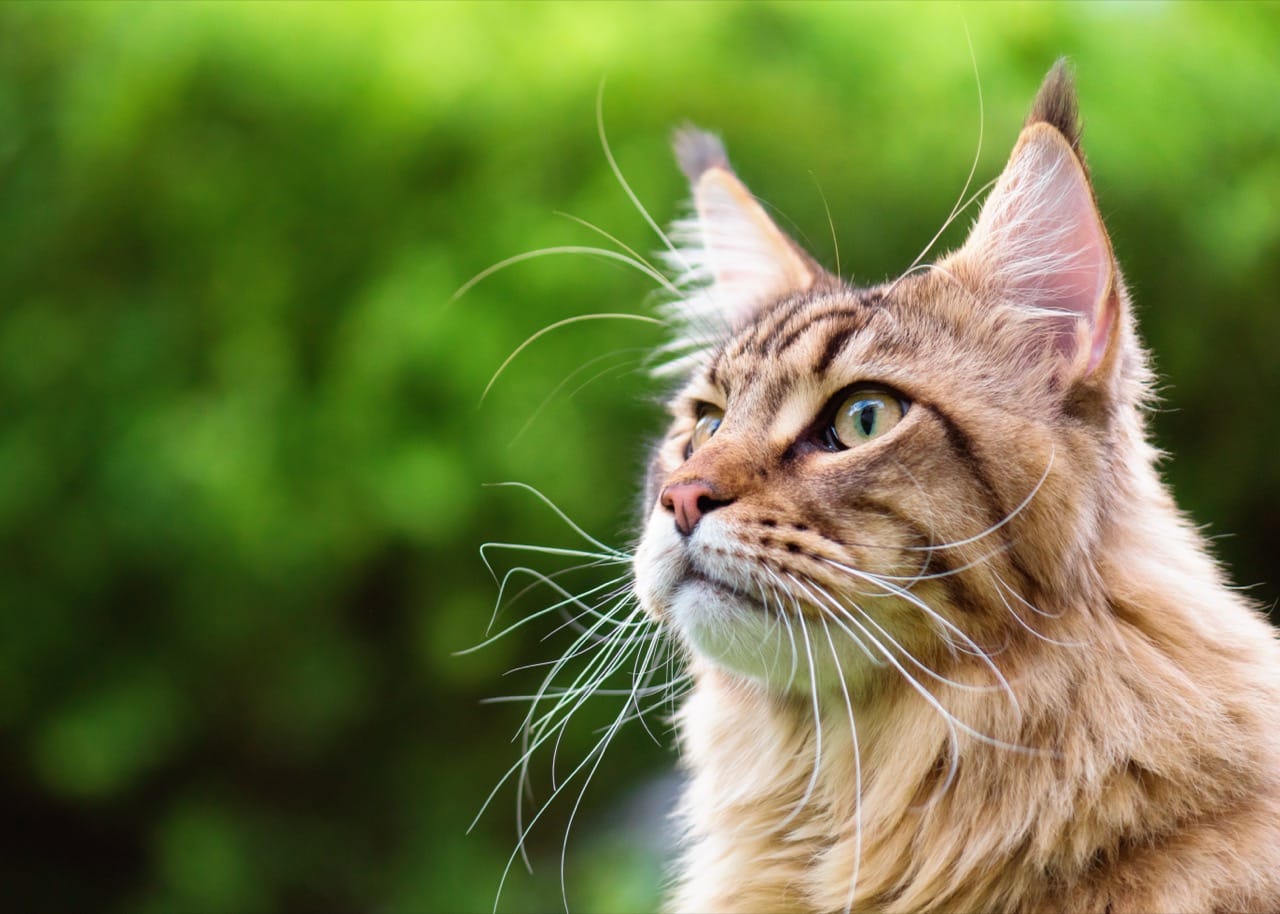
Remarkable senses and feline anatomy A cat’s whiskers are not just decoration. They are sensitive touch sensors that help a cat judge openings, track air currents, and navigate in low light. Their ears can swivel to pinpoint sounds with impressive accuracy, which is why a cat may react to a faint rustle you never noticed. Vision is another specialty: cats see well in dim conditions thanks to a reflective layer in the eye that boosts available light. They do not see perfectly in total darkness, but they are built for dawn and dusk hunting.
Smell and taste shape much of a cat’s behavior. Cats rely heavily on scent to recognize places, people, and other animals. They also have a special scent-processing organ in the roof of the mouth, which is why you may see a cat pause with its mouth slightly open after sniffing something interesting. This is not a snarl, but a way of analyzing chemical signals.
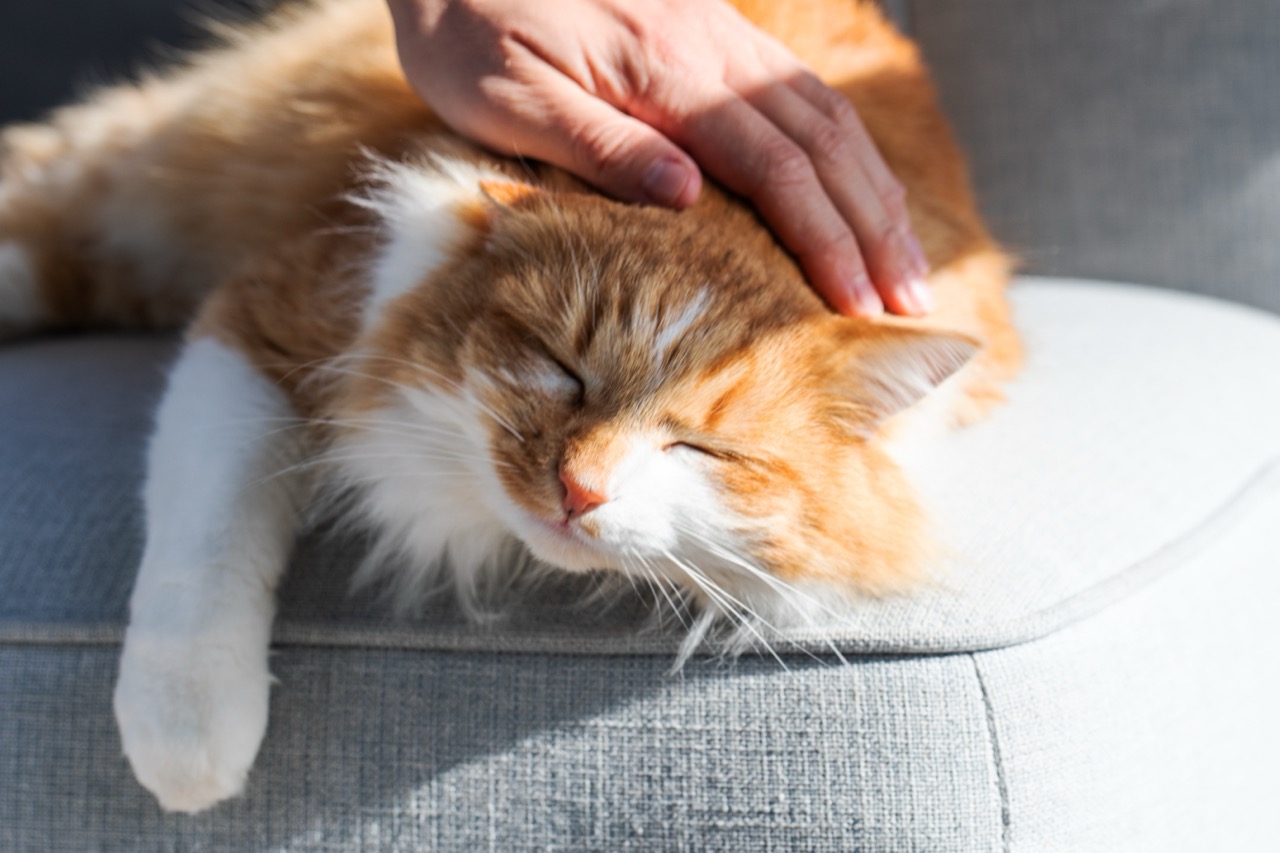
Communication: purrs, tails, and the famous stare Cats communicate with a mix of sound, posture, and scent marking. Purring is often linked to contentment, but it can also appear when a cat is stressed or in pain. Many researchers think purring may have a self-soothing function, and the vibrations may even support healing. Meows are especially interesting because adult cats rarely meow at each other; many reserve meowing for humans, suggesting it is a learned communication tool.
Body language is just as important. A relaxed, upright tail can signal confidence, while a puffed tail and arched back usually mean fear or alarm. Slow blinking is widely considered a friendly signal, a kind of calm acknowledgement. If you slow blink back, some cats respond in kind.
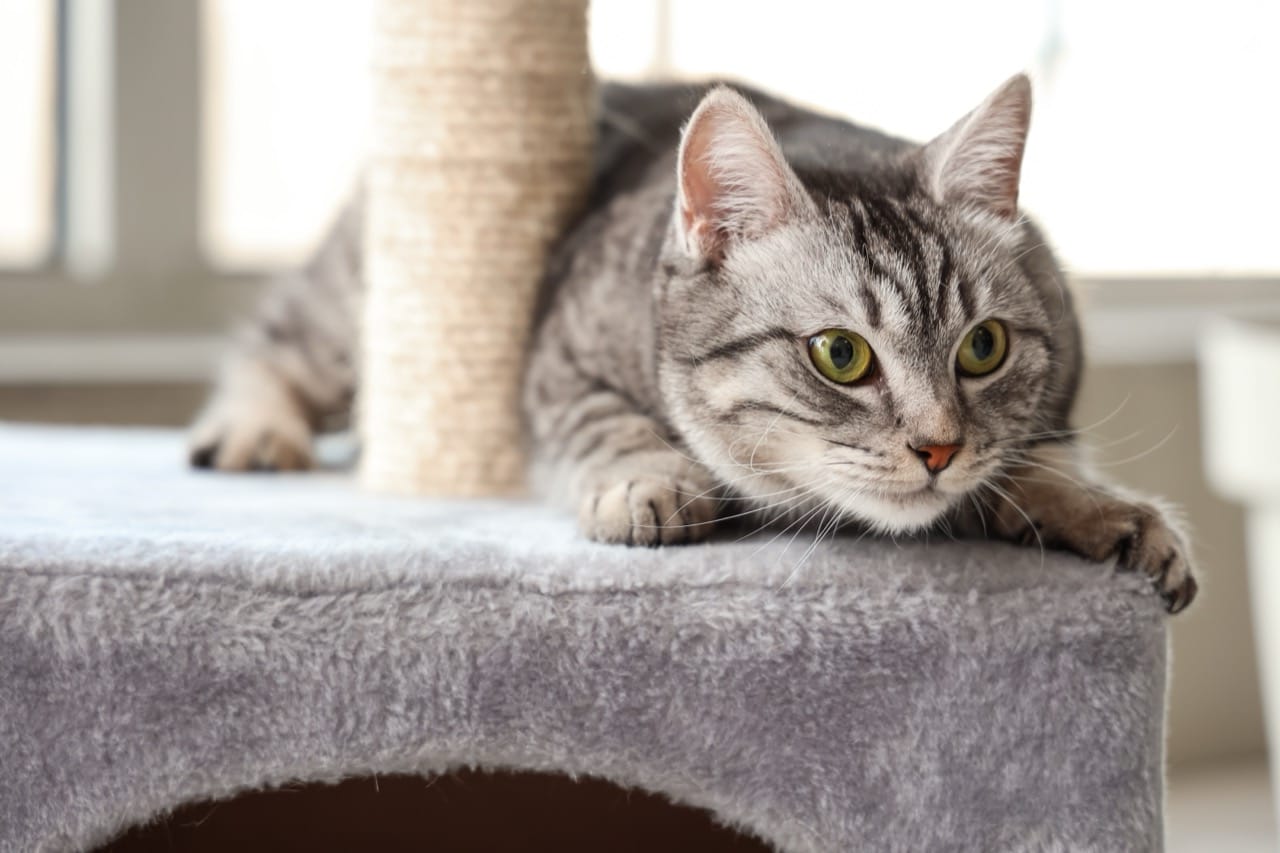
Zoomies, hunting instincts, and indoor rituals Sudden bursts of speed, often called zoomies, are common. They can be a release of energy, a response to excitement, or a leftover hunting drive looking for an outlet. Cats are natural stalkers, and play that mimics hunting, such as chasing a wand toy or pouncing on a rolling object, helps satisfy that instinct. Scratching is another essential behavior, not a spiteful act. It maintains claw health, stretches muscles, and leaves scent and visual marks. Providing sturdy scratching surfaces and rewarding their use can prevent many household conflicts.
From ancient allies to modern breeds Cats likely began living near humans because early settlements attracted rodents, which attracted skilled hunters. Over time, a loose partnership formed. In some ancient cultures, cats were admired and even revered, while in others they were feared or misunderstood. Today, selective breeding has created a wide range of appearances and temperaments, but many everyday behaviors remain rooted in the same evolutionary toolkit.
Conclusion The more you learn about cats, the more their odd habits start to look like clever adaptations. Whiskers map the world, purrs can mean more than happiness, and zoomies may be the echo of a twilight hunter. Whether you share your home with a confident ruler or a shy observer, understanding feline senses and signals turns daily life into a more cooperative kingdom, and makes every stare, chirp, and head bump feel like part of a fascinating conversation.
.jpg)