True or False Cat Claims Under Scrutiny

Quiz Complete!
True or False Cat Claims Under Scrutiny: What Science and Experience Really Say

Introduction Cats inspire confident claims. Some are true, some are half true, and some are wishful thinking repeated often enough to sound like fact. A good true or false quiz works best when you know why an answer is right, not just that it is right. Understanding the biology behind cat senses, the reasons for common behaviors, and a few key health basics can help you separate cute myths from useful knowledge.
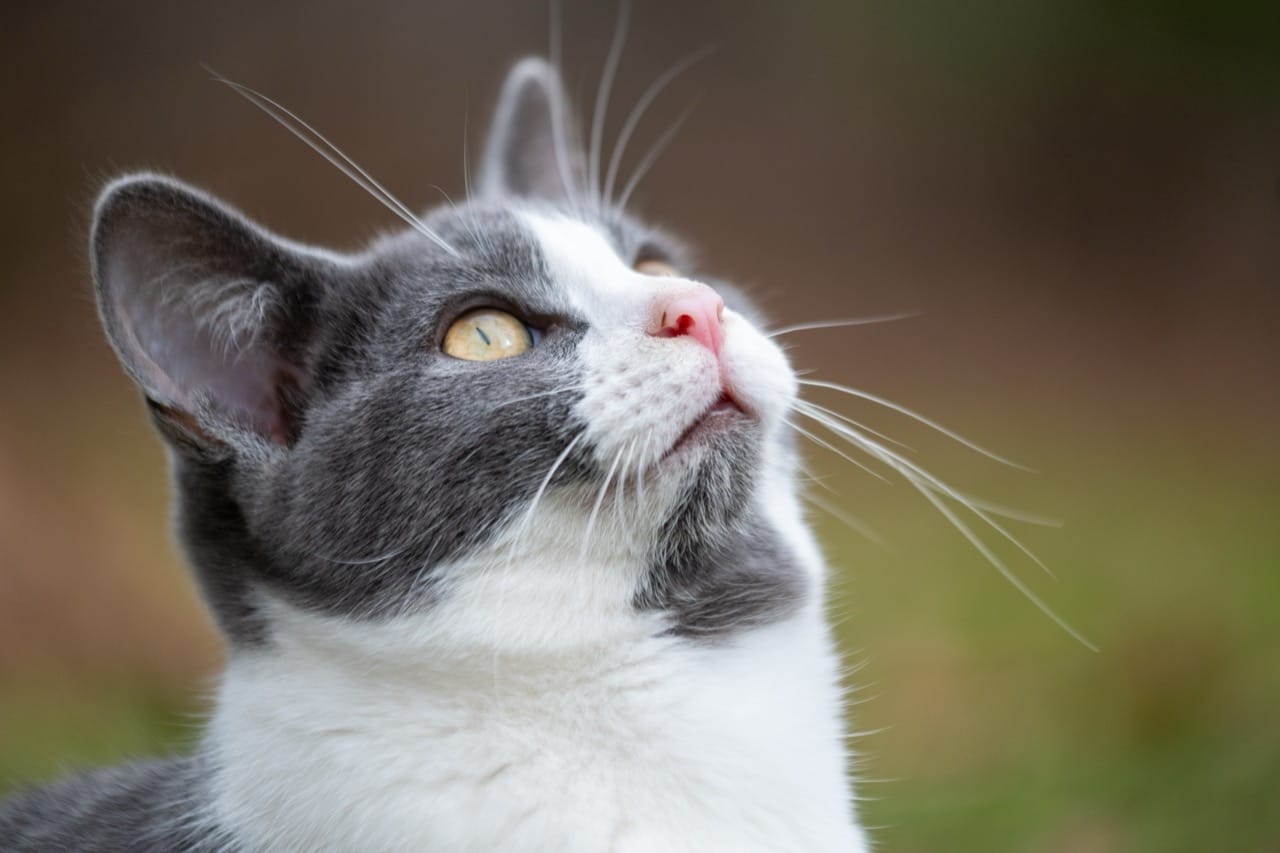
Senses: how cats experience the world A common claim is that cats see perfectly in the dark. In reality, cats see much better than humans in low light, but not in total darkness. Their eyes have a reflective layer called the tapetum lucidum that boosts available light, and their pupils can widen dramatically. Another frequent statement is that cats are colorblind. Cats do see color, just not as richly as humans. They are more sensitive to blues and greens and less sensitive to reds.
Hearing is one area where cats truly excel. They can detect higher pitched sounds than people and can swivel their ears to pinpoint where a noise is coming from. That is one reason a cat can appear asleep and still react instantly to a treat bag crinkle. Taste brings surprises: many cats cannot taste sweetness due to a genetic change in sweet taste receptors. That does not mean they cannot enjoy sweet foods, but their interest is usually in fat, texture, or smell rather than sweetness itself.
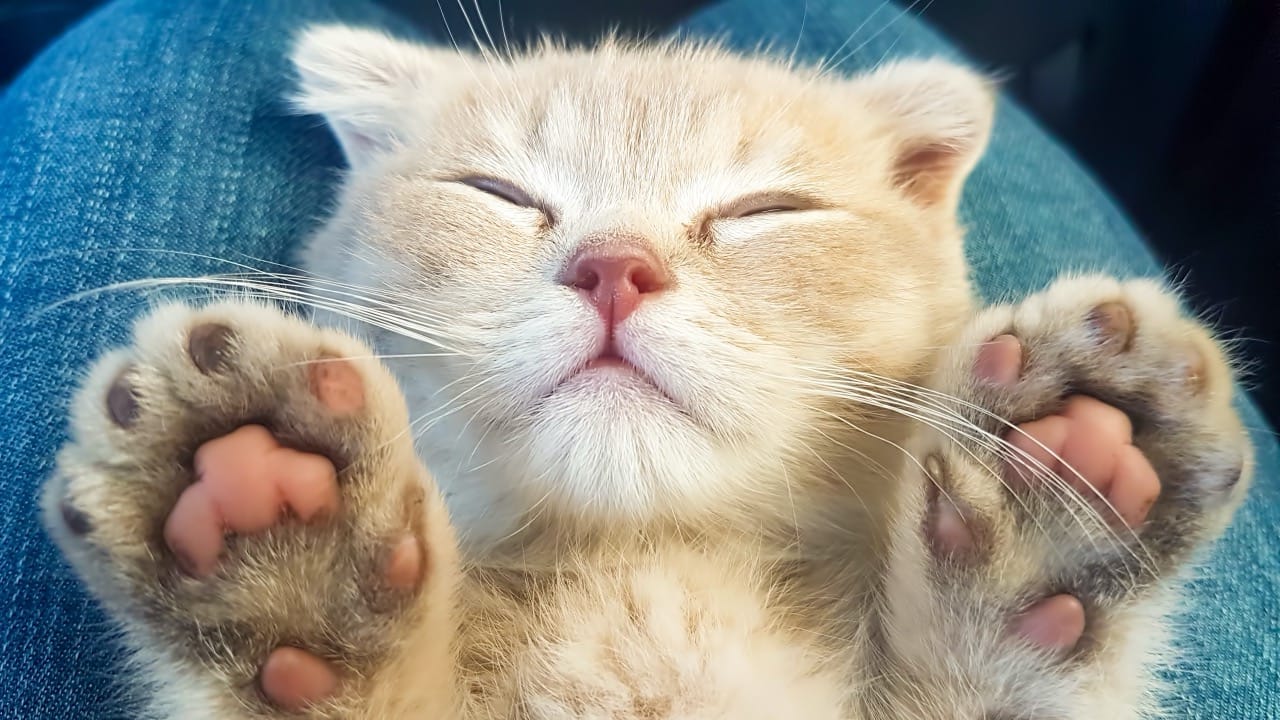
Behavior: kneading, head butts, and zoomies Kneading is often explained as a cat making biscuits because it is happy, and that can be true, but it is not the whole story. Kittens knead their mother to stimulate milk flow, and adult cats may knead when relaxed, when seeking comfort, or when preparing a soft resting spot. Head butting and cheek rubbing are not just affection. They are also scent marking. Cats have scent glands on their face, and rubbing leaves chemical signals that help them label people and objects as familiar and safe.
The famous zoomies are not proof that a cat is misbehaving or going crazy. Sudden bursts of energy are common, especially in young cats or indoor cats that need more play. Zoomies can be a release of pent up energy, a response to excitement, or part of normal hunting practice. The best response is usually more structured play with wand toys, short daily sessions, and opportunities to climb and explore.
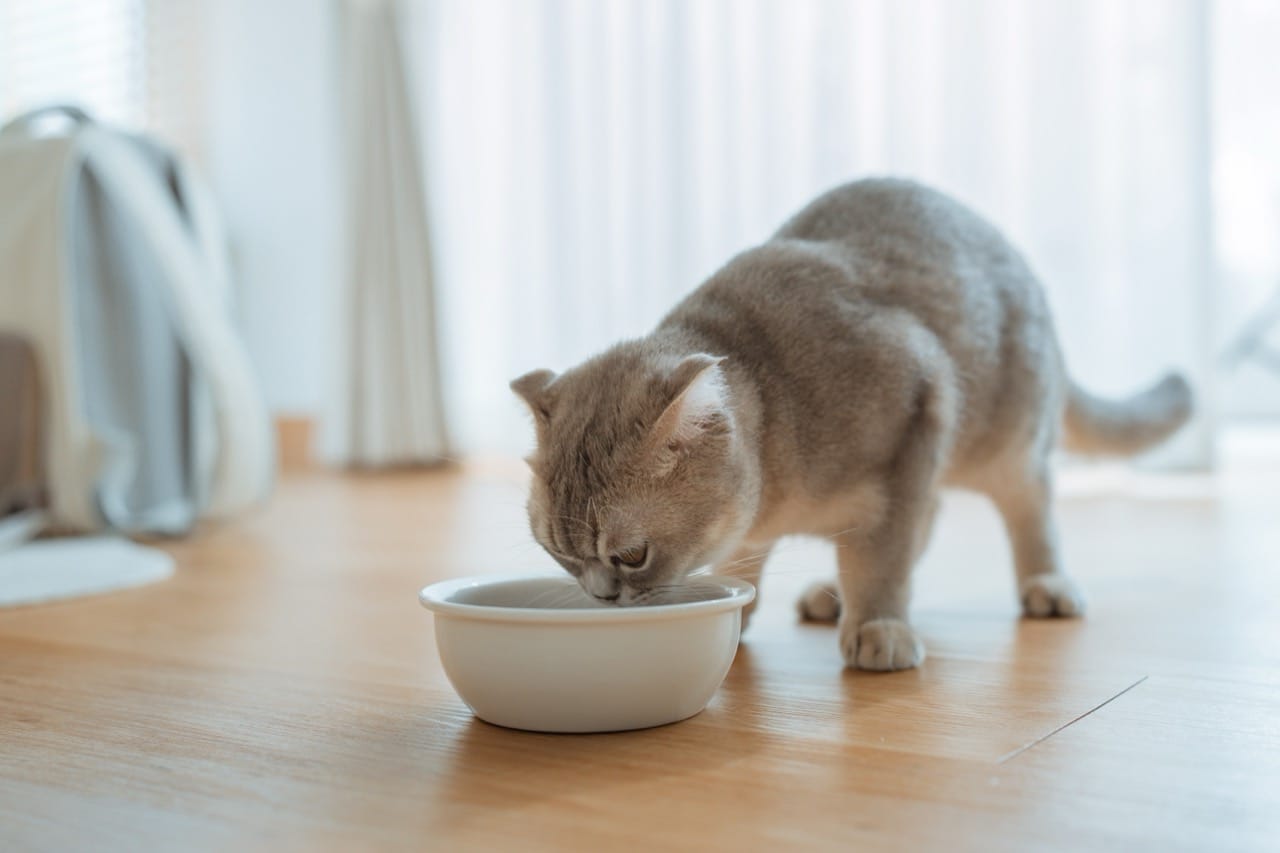
Health and care myths: food, water, and litter habits Milk is the classic cat myth. Many adult cats are lactose intolerant, so milk can cause stomach upset. If you want a special treat, choose cat safe options and keep portions small. Another claim is that cats naturally drink little water and therefore do not need encouragement. Cats often have a low thirst drive, but hydration still matters, especially for urinary health. Wet food, multiple water bowls, and fountains can help.
Litter box myths can cause real trouble. If a cat pees outside the box, it is not automatically spite. Stress, medical issues like urinary tract problems, painful arthritis, or an unclean box are common reasons. A useful rule is one box per cat plus one extra, placed in quiet, accessible locations. Sudden changes in appetite, drinking, or litter habits should prompt a vet visit, because cats are skilled at hiding illness.
Conclusion Cats are both familiar and mysterious, which makes them perfect subjects for true or false claims. The most reliable approach is to pair observations with a bit of science: cats see well in dim light but not in complete darkness, they hear exceptionally well, and many cannot taste sweet. Their behaviors, from kneading to head butting to zoomies, usually have practical roots in comfort, communication, and instinct. When it comes to care, small myths about milk, water, and litter boxes can have big consequences. Knowing what is true helps you enjoy the comedy and the mystery while keeping your cat healthier and happier.

.jpg)