Tomcat Trivia Knowledge Sprint



Quiz Complete!
Whiskerless Wonders: The Science and Surprise of House Cats
Introduction House cats can seem like quiet roommates until a sudden burst of speed sends them skidding across the floor. Behind the mysterious stare and stealthy footsteps is a compact predator shaped by evolution and fine tuned senses. Learning a little cat science makes everyday moments, like a slow blink or a midnight zoomie, feel like clues in a fascinating story.
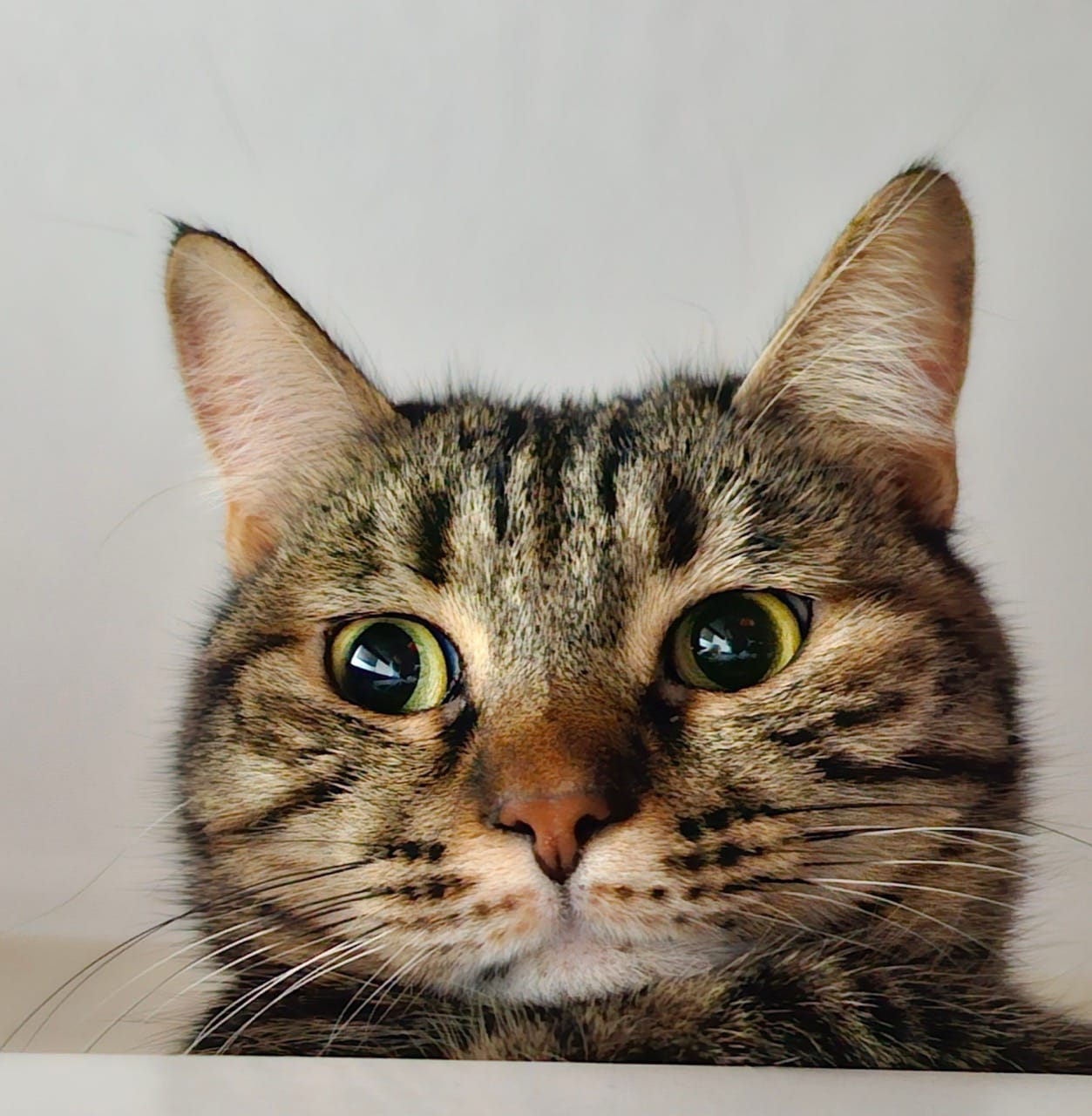
Senses built for hunting A cat’s world is guided by smell, hearing, and touch. Their hearing is especially impressive, helping them detect high pitched sounds that small prey make. Cats can swivel their ears to pinpoint where a noise comes from, like living radar dishes. Vision is adapted for low light rather than total darkness, so they still need some light to see well at night. Their pupils expand dramatically to gather more light, and a reflective layer in the eye boosts sensitivity.
Those famous whiskers are not just decoration. Whiskers are specialized hairs connected to nerves and muscles, acting like sensitive sensors. They help cats judge spaces, detect air movement, and navigate in dim areas. Even whiskers on the legs can help sense prey during a pounce. If a cat seems cautious around a narrow gap, it may be whisker feedback saying, this might be too tight.
Bodies made for stealth and spring Cats are built for quick bursts, not marathon runs. A flexible spine and powerful back legs work together like springs. Many of their collarbones are reduced and not rigidly attached like in humans, which helps them squeeze through tight spaces and lengthen their stride during a sprint. Their paws are designed for quiet stalking, with soft pads that muffle sound.
A classic cat talent is landing on their feet. The righting reflex allows a falling cat to twist its body midair. The spine, inner ear balance system, and quick reflexes coordinate a rotation that often ends with paws down. This does not make cats invincible, though. Falls can still cause serious injury, and safe windows and balconies matter.
Communication, purring, and the slow blink Cats communicate with a mix of scent marking, body language, and vocal sounds. Meowing is often directed at humans rather than other adult cats, suggesting it is a learned social tool. A slow blink is commonly interpreted as a friendly signal, like a relaxed, non threatening hello. If you slow blink back, many cats respond in kind.
Purring is more complex than simple happiness. Cats may purr when relaxed, but also when stressed, injured, or seeking comfort. Some researchers suggest purring may have calming effects or even support healing, though it is best seen as a multi purpose signal rather than a single emotion.
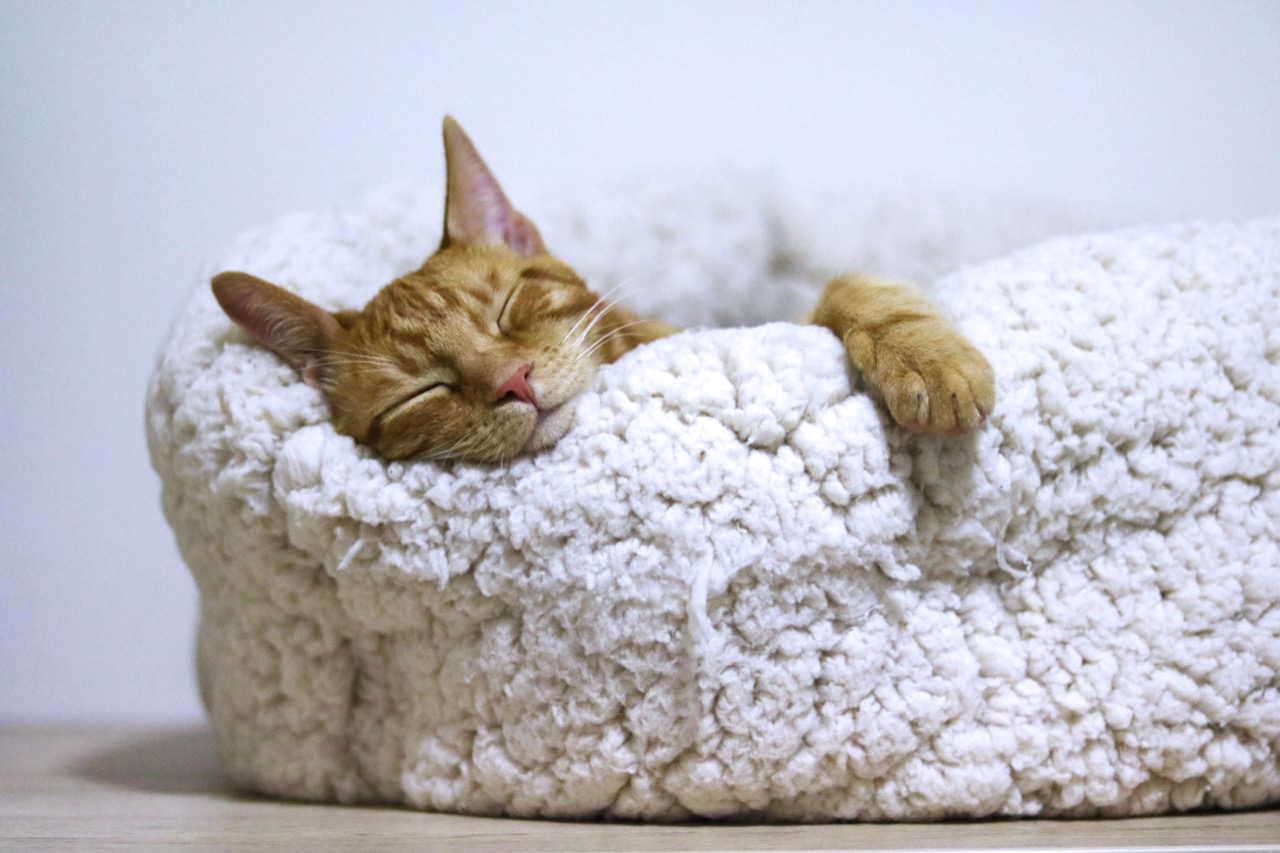
Sleep, instincts, and everyday myths Cats sleep a lot, often 12 to 16 hours a day, because their bodies are tuned for short, intense hunts followed by recovery. Even well fed pets keep hunting instincts, which is why play that mimics stalking and chasing can reduce boredom and unwanted behavior.
Several myths deserve a gentle correction. Cats do not always hate water, some simply avoid it because wet fur feels heavy and cold. Another myth is that cats are purely solitary. Many cats form strong social bonds, both with humans and with other cats, especially when introduced carefully.
Conclusion From whisker sensors to spring loaded leaps, cats combine refined biology with quirky behavior. Understanding how they sense, move, and communicate turns ordinary moments into small discoveries. The next time you see a slow blink, a sudden zoom, or a perfectly balanced landing, you will be watching a tiny athlete and expert navigator at work.
.jpg)