The Secret Life of Cats Fact Quiz



.jpg)

Quiz Complete!
The Secret Life of Cats: What Your Couch Companion Is Really Doing
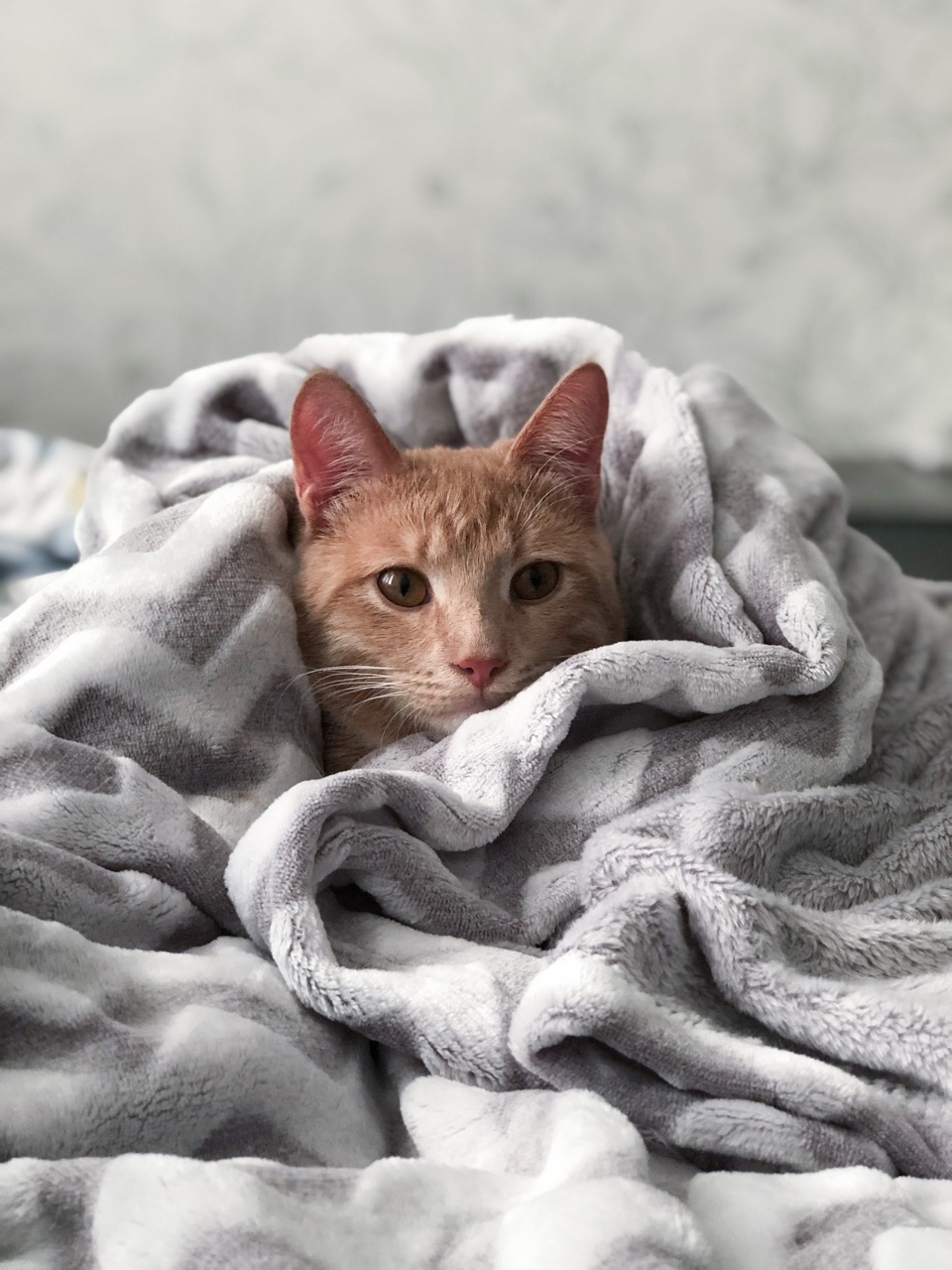
Introduction Cats have a talent for looking like they do nothing all day. One minute they are draped over a windowsill like a furry scarf, and the next they are sprinting down a hallway as if chased by invisible ghosts. Behind that calm face is a finely tuned predator with senses, muscles, and social habits shaped by thousands of years of evolution and life alongside humans. Learning a few cat facts can make everyday behavior feel like a small mystery you finally get to solve.
Anatomy built for quiet hunting A cat’s body is designed for short bursts of athleticism. Their flexible spine acts like a spring, helping them stretch into long strides when they run. The collarbone is small and not rigidly attached like ours, which is one reason many cats can squeeze through surprisingly narrow gaps. Their paws are another engineering marvel: soft pads help them move quietly, and retractable claws stay sharp because they are protected when not in use. Whiskers are not just decoration. They are sensitive touch sensors that help cats judge openings, detect air movement, and navigate in low light.
Super senses and the myth of night vision Cats do see well in dim light, but they are not true night vision creatures. They need at least a little light to see. A reflective layer behind the retina helps them make the most of low light, which is why their eyes can seem to glow. Their hearing is even more impressive. Cats can detect high pitched sounds that humans cannot, useful for locating small prey. Smell matters too, and cats have an extra scent tool called the vomeronasal organ. You may notice a cat making a funny open mouthed face, called the flehmen response, when they are analyzing an interesting scent.
Communication: purrs, tails, and slow blinks Cats communicate with a mix of sound, scent, posture, and facial expressions. Meowing is often aimed at humans rather than other cats, almost like a learned language for getting attention. Purring usually signals comfort, but it can also appear when a cat is stressed or in pain, possibly as a self soothing mechanism. Tail position is a quick mood report: a relaxed upright tail often indicates friendliness, while a puffed tail suggests fear or excitement. Slow blinking is one of the gentlest cat signals. Many cats slow blink at people they trust, and returning the gesture can be a calm way to bond.
The science of scratching and scent marking Scratching is not spiteful behavior. It helps cats shed old claw layers, stretch their muscles, and mark territory. Cats have scent glands in their paws, so a scratch post becomes a sign that says this place is familiar and safe. Rubbing their cheeks on furniture or your legs works similarly. Those cheek glands leave a scent message that is invisible to us but meaningful to them.
History and surprising tidbits Domestic cats likely became our companions as early farming communities attracted rodents, and cats that tolerated humans gained a steady food source. Over time, a loose partnership formed. Modern house cats still retain strong hunting instincts, even when a food bowl is always full. Another fun fact is that cats spend a large portion of the day sleeping or resting, but that does not mean they are lazy. In the wild, predators conserve energy between hunts.
Conclusion Cats are masters of quiet complexity. Their bodies are built for stealth and speed, their senses are tuned to tiny details, and their communication is subtle but rich once you learn the signs. The next time your cat stares into space, kneads a blanket, or taps a glass off the table, you will have a better idea of what might be going on in that secret life. And if you are taking a cat fact quiz, trust your observations, because living with a cat is already hands on research.
.jpg)