The Quiet Genius of Cats Quiz

.jpg)
.jpg)



Quiz Complete!
The Quiet Genius of Cats: Biology, Behavior, and the Art of Living With Humans
Introduction Cats often look like they are doing nothing, but a lot is happening behind those calm eyes. Domestic cats are built for stealth, tuned for subtle communication, and shaped by a long history of living near people without fully giving up their independence. Understanding how a cat senses the world and why it behaves the way it does can make everyday moments, like a slow blink or a sudden sprint down the hallway, feel less mysterious and a lot more impressive.
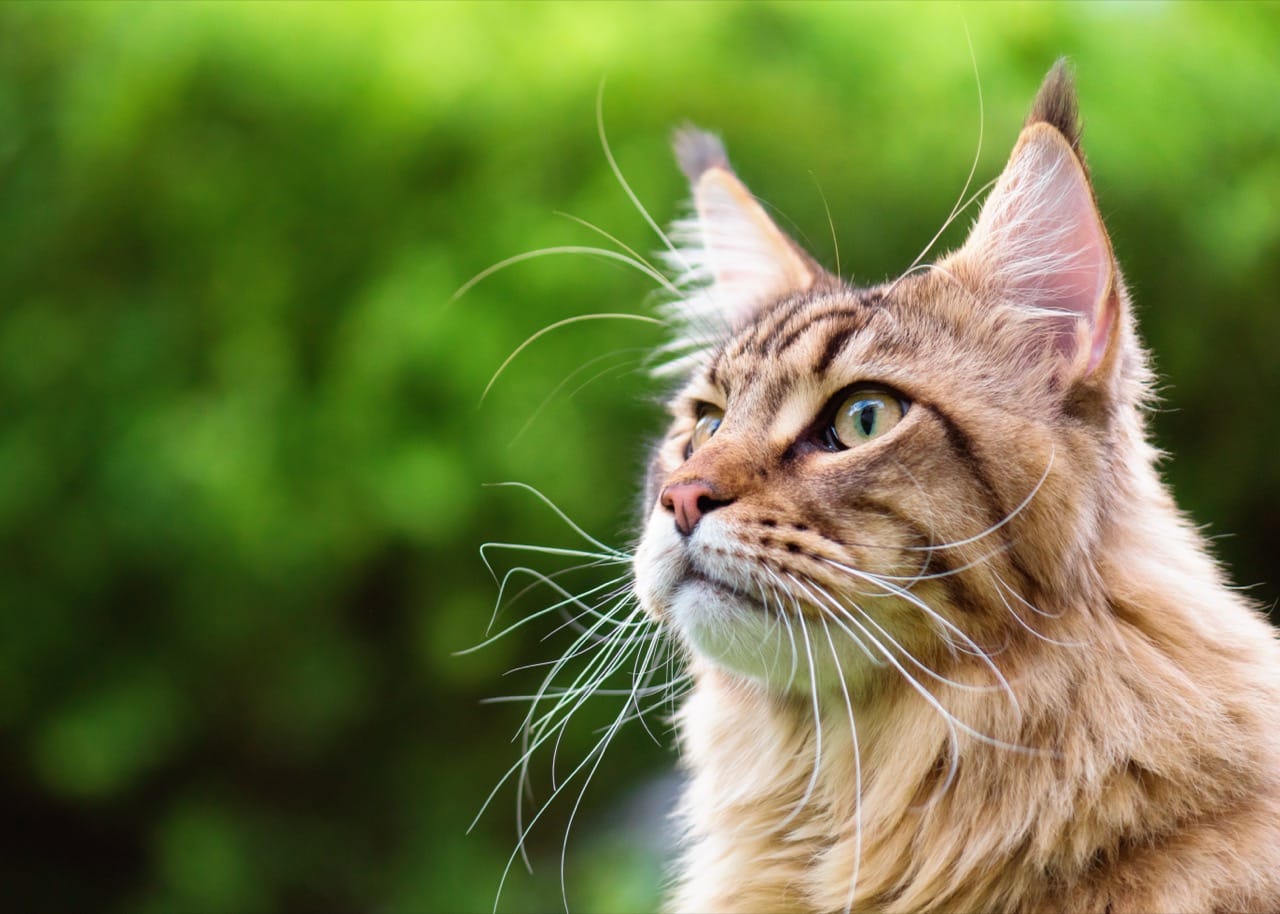
Senses built for a different world A cat’s senses are optimized for hunting in low light. Their eyes have a reflective layer that helps them see in dim conditions, which is why they can appear to glow when light hits them at night. Cats do not see in complete darkness, but they need far less light than humans. Their vision is also better at detecting motion than fine detail, which explains why a barely moving toy can be irresistible. Their hearing is equally specialized. Cats can detect higher pitched sounds than people can, which helps them locate small prey. Those swiveling ears are not just cute; they are directional antennas that can rotate to pinpoint where a sound comes from. Smell matters too, and cats also use an extra scent system called the vomeronasal organ. When you see a cat make a funny open-mouthed face, it may be performing the flehmen response, pulling scent molecules toward that organ to gather more information.
A body designed for stealth and speed The classic cat sneak is a whole-body engineering feat. Their shoulder blades are not attached like ours, allowing a longer stride and smoother movement. Flexible spines act like springs, powering quick bursts of speed. Retractable claws stay sharp and quiet until needed, and whiskers function like sensitive measuring tools, helping cats judge spaces and detect air currents. Whiskers are not just on the face; many cats have them on the backs of their front legs too, aiding in close-range sensing. Cats groom for hygiene, temperature control, and even stress relief. Their rough tongues help remove loose fur and dirt, but grooming can also increase during anxiety, which is why overgrooming can be a clue that something is off.
Communication: subtle, social, and sometimes strategic Cats communicate with their bodies more than with sound. A relaxed tail, slow blinks, and a gently upright posture often signal comfort. A twitching tail tip can mean arousal or irritation, even if the cat is not moving away. Purring is commonly linked to contentment, but cats may also purr when hurt or frightened, possibly as a self-soothing behavior. Meowing is especially interesting because adult cats rarely meow at each other. Many researchers think meows are largely a cat-to-human communication tool, refined over time because it works. Cats also leave scent messages by rubbing their cheeks or flanks on objects and people. That is not only affection; it is also territorial labeling that helps them feel secure.
From grain stores to living rooms: a shared history Unlike dogs, cats likely domesticated themselves to a degree. As humans began storing grain, rodents gathered, and wildcats that tolerated human proximity benefited from easy hunting. Over generations, the friendlier and calmer cats thrived near people. Today’s breeds are relatively recent, often selected for appearance and temperament. Some, like the Siamese, are known for vocal social behavior, while others, like the Maine Coon, are famous for size and adaptability. Still, regardless of breed, most cats retain strong instincts for hunting, climbing, and controlling their environment.
Conclusion Cats are quiet geniuses: sensory specialists, athletic ambushers, and subtle communicators who have learned how to live alongside humans while keeping their own rules. The next time your cat pauses to stare at a corner, sprints through the house, or greets you with a head bump, it is not random. It is biology, history, and behavior working together in a small, confident roommate with big opinions.
.jpg)