The Curious Case of Cat Facts


.jpg)




Quiz Complete!
The Curious Case of Cat Facts: Biology, Behavior, and the Quirks We Love

Introduction Cats have a reputation for being mysterious, but much of their behavior makes perfect sense once you understand how they are built and how they evolved. From their whiskers to their night vision, cats are finely tuned hunters that also happen to share our homes. Learning a few key facts can make everyday cat moments feel less puzzling and a lot more fascinating.
Built for stealth: whiskers, eyes, and tongues A cat’s whiskers are not just decorative. They are specialized hairs connected to sensitive nerves that help a cat map its surroundings. Whiskers can detect tiny changes in air movement, which is useful in low light and tight spaces. Many cats use whiskers like a measuring tool, gauging whether they can fit through an opening without getting stuck.
Cats are famous for seeing in the dark, but it is more accurate to say they see very well in low light. Their eyes have a reflective layer called the tapetum lucidum that bounces light back through the retina, improving sensitivity and creating the familiar eye shine. They also have many rod cells for motion detection, which helps them track prey at dawn and dusk.
Then there is the tongue. A cat’s tongue feels like sandpaper because it is covered in tiny backward facing spines called papillae made of keratin, the same material as human fingernails. These hooks help strip meat from bones in the wild and make grooming efficient by combing through fur and removing loose hair.
Communication and mood: purring, meowing, and body language Purring is often linked to contentment, and it can be a sign of relaxation. However, cats also purr when they are stressed, injured, or in pain. Some researchers think purring may be self soothing or even help healing, since the vibrations fall within frequencies that can support bone and tissue recovery in other settings. The key is context: a relaxed posture and slow blinking suggest comfort, while hiding, flattened ears, or tense muscles may signal distress even if purring is present.
Meowing is another surprise. Adult cats rarely meow at each other; they mainly reserve it for humans. Over time, many cats learn which sounds get results, from food to attention. Tail position, ear angle, and facial tension are equally important. A high, gently curved tail often signals friendly confidence, while a puffed tail and arched back are classic fear responses.
From granaries to sofas: how cats became companions Domestic cats likely began their partnership with humans around early farming communities. Grain stores attracted rodents, and wildcats that tolerated people gained a steady food source. Humans benefited from pest control, and over generations the friendliest cats thrived near settlements. Unlike dogs, cats were not heavily shaped for specific jobs at first, which helps explain why modern cats still retain many wild traits.
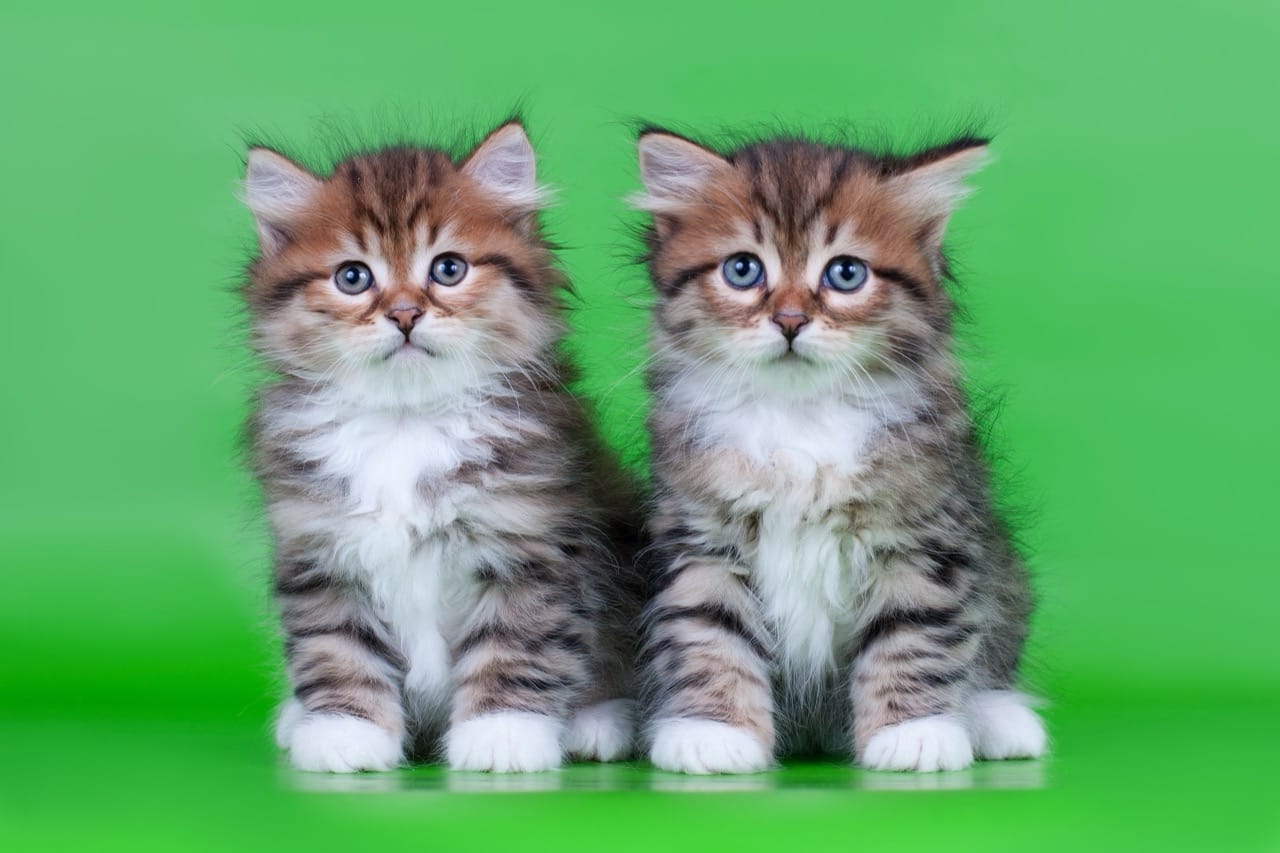
Coats and genetics: why patterns look the way they do Coat patterns are a mix of genetics and developmental timing. The tabby pattern, common worldwide, is influenced by genes that control pigment distribution and hair growth. Different versions create classic swirls, mackerel stripes, spots, or ticked coats. Color points, seen in Siamese type cats, are linked to temperature sensitive pigment production, making cooler areas like ears, paws, and tails darker.
Conclusion Cats may act like enigmatic roommates, but their quirks are rooted in biology, evolution, and clever communication. Whiskers act as sensory tools, eyes are optimized for low light, and tongues are built for grooming and hunting. Purring and meowing carry more nuance than many people realize, and coat patterns tell genetic stories written in fur. The more you learn, the more every head bump, slow blink, and midnight zoom becomes part of a surprisingly logical feline world.




.jpg)