The Cipher Vault of Whiskers





Quiz Complete!
The Cipher Vault of Whiskers: Decoding the Secret Life of Cats
Introduction Cats can look like simple creatures: nap, snack, sprint, repeat. Yet the everyday house cat is packed with small mysteries that make perfect quiz material. Beneath the soft fur are finely tuned senses, unusual anatomy, and behaviors that seem odd until you know what they are for. Understanding a few key facts can make you better at reading your cat and better at caring for one.
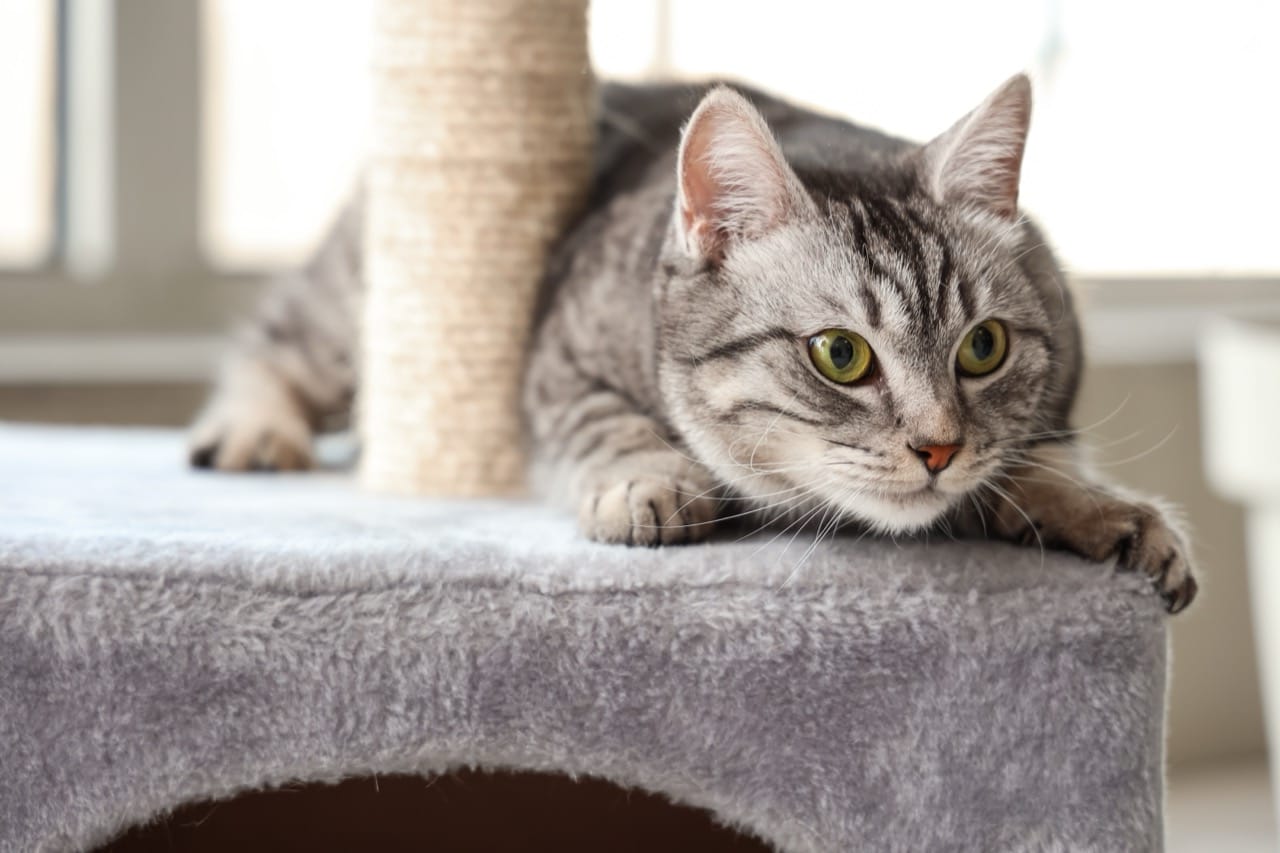
Anatomy and movement: built for the ambush A cat is a specialist predator designed for short bursts of precision. Their flexible spine and powerful hind legs act like a spring, helping them leap several times their body length. The collarbone is small and not rigidly attached like ours, which helps them squeeze through tight spaces; a common rule of thumb is that if the head fits, the body often can too.
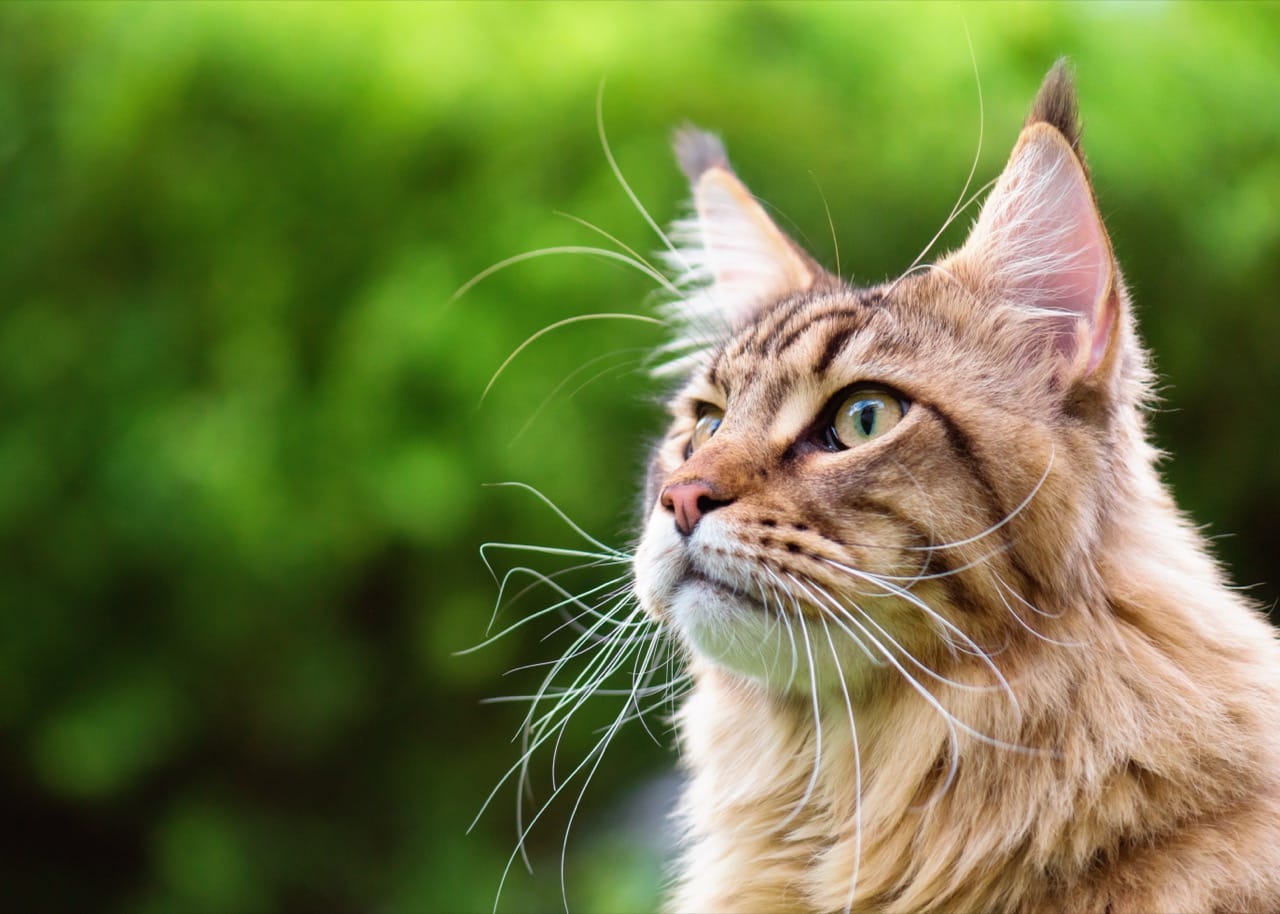
Whiskers are not just decoration. They are sensitive touch organs that detect tiny air currents and help a cat judge openings, navigate in low light, and locate moving prey. Trimming whiskers can disorient a cat, which is why they should be left alone. Another often missed detail is the paw. Cats walk on their toes, which adds stealth and speed. Their claws retract to stay sharp, and the rough tongue papillae act like a built in brush for grooming and for scraping meat from bones.
Senses and signals: a language of subtle cues Cats see well in dim light, but not in complete darkness. Their eyes gather light efficiently, and a reflective layer behind the retina boosts low light vision. Their hearing is even more impressive, tuned to high frequencies that help them detect small prey. Smell matters too, especially through the vomeronasal organ, which processes chemical signals. When you see a cat open its mouth slightly after sniffing, that is the flehmen response, a way of pulling scent information toward that organ.
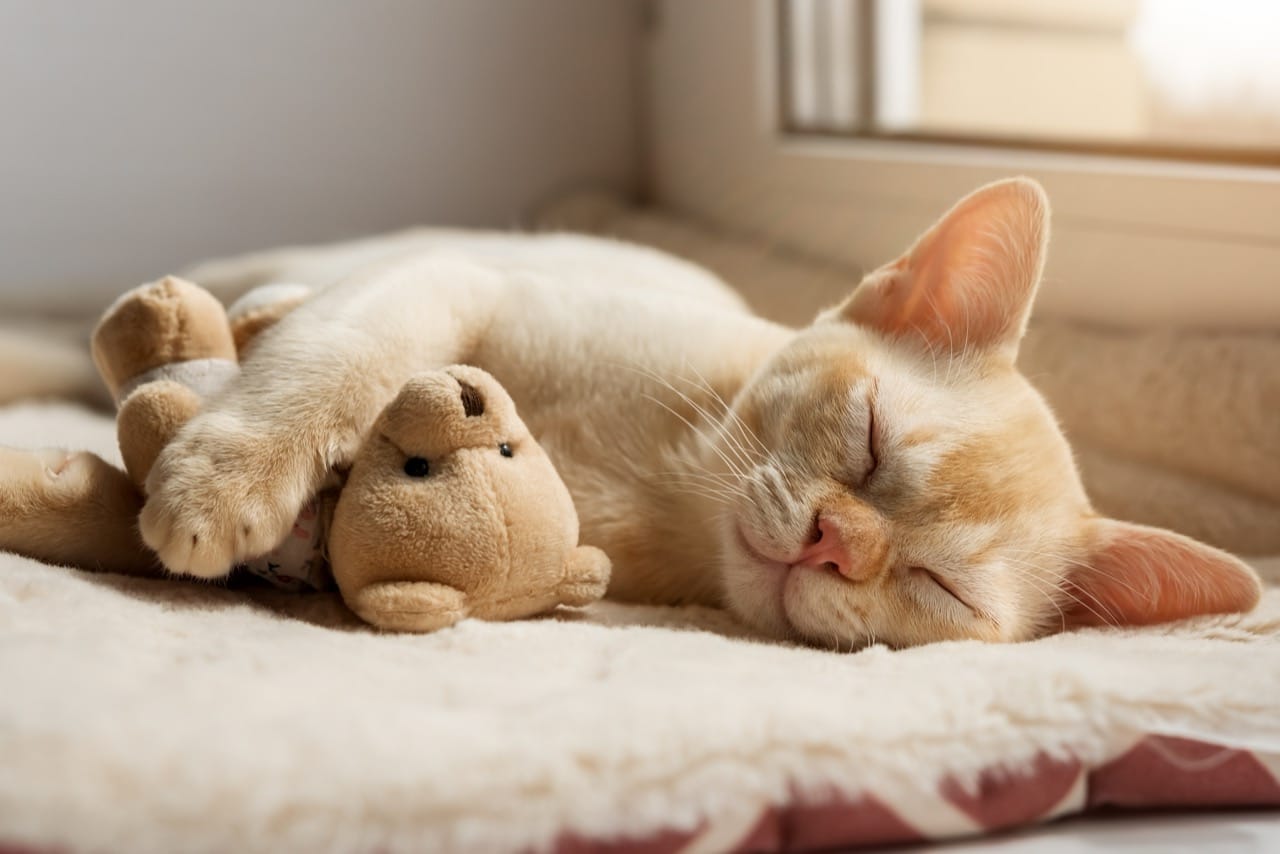
Communication is a blend of sound, posture, and scent. Purring often signals comfort, but cats may also purr when stressed or in pain, possibly as a self soothing mechanism. Slow blinking is a friendly signal, while a twitching tail can mean agitation rather than happiness. The classic belly display is not always an invitation to pet; it can be a sign of trust, but many cats will defend that vulnerable area with all four feet.
History and domestication: partners, not servants Domestic cats likely began their partnership with humans by hunting rodents around early grain stores. Unlike dogs, cats were not shaped by intense selective breeding for specific jobs until relatively recently, so many retain strong hunting instincts. That is why indoor cats may still stalk toys with serious focus and why enrichment matters.
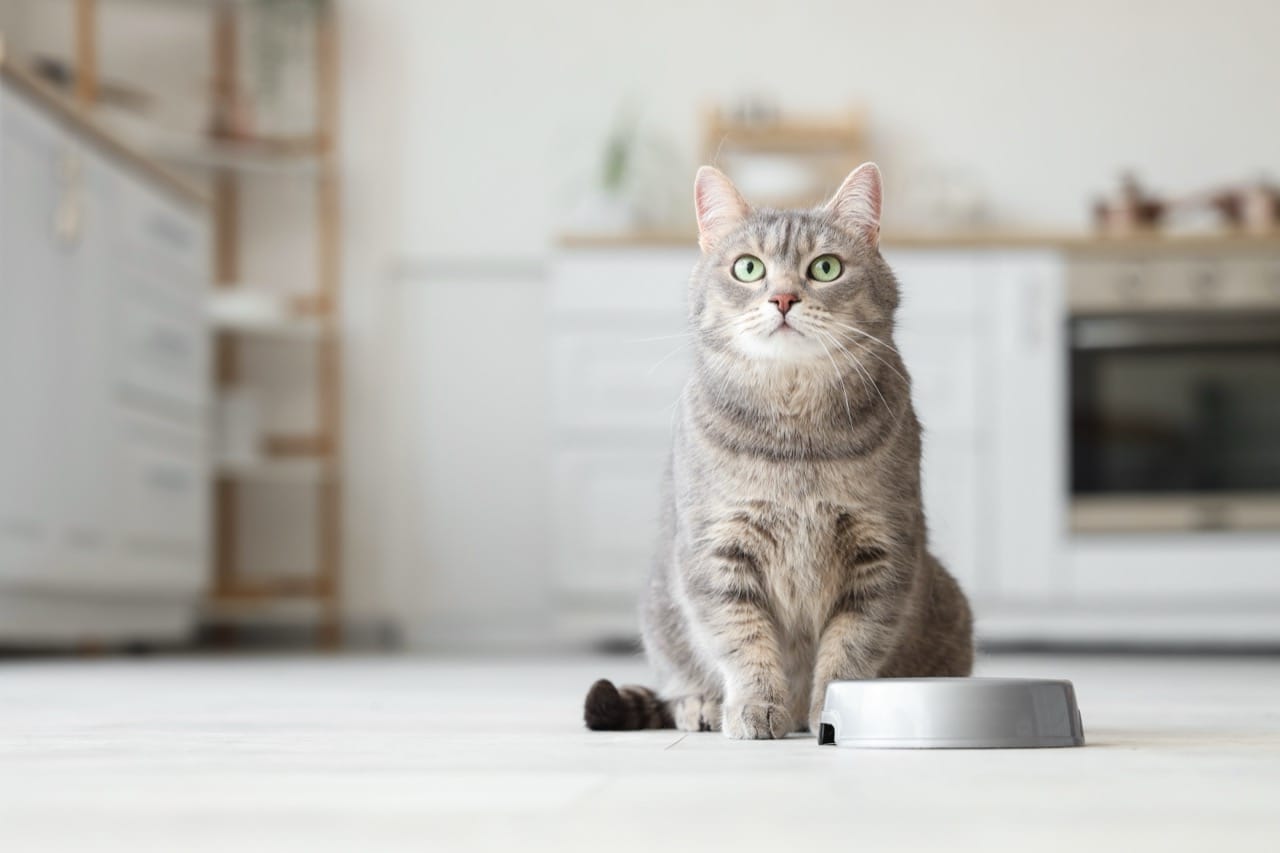
Everyday care: common mistakes and simple wins Hydration is a frequent issue. Many cats do not drink enough from a bowl, so wet food, multiple water stations, or a fountain can help. Another misconception is that milk is a good treat. Many adult cats are lactose intolerant, so milk can cause stomach upset.
Grooming is usually handled by the cat, but hairballs can become a problem, especially in long haired breeds or during seasonal shedding. Regular brushing reduces swallowed fur. Litter box habits depend on cleanliness, location, and stress levels; a sudden change in litter use should be treated as a health warning, not a discipline problem.
Conclusion Cats reward curiosity. The more you learn about whiskers, senses, body language, and basic care, the more their behavior stops looking random and starts looking purposeful. A quiz like The Cipher Vault of Whiskers is fun because it highlights how many small details matter. Pay attention to the clues your cat offers, and you will decode a smarter, healthier, and more interesting relationship with the household hunter.
.jpg)