The Cat Guru Challenge






Quiz Complete!
Whiskerless Wonders: A Friendly Guide to Feline Facts
Introduction Cats can look effortless as they nap in a sunbeam, then explode into a sprint across the room for no obvious reason. That mix of calm and chaos is part of their charm, but it also reflects a body and brain built for precision hunting, careful communication, and constant self maintenance. Understanding a few core feline facts makes everyday cat behavior feel less mysterious and a lot more fascinating.
Senses and anatomy: built for stealth A cat’s senses are tuned for detecting small movements and subtle sounds. Their hearing is especially sharp, helping them locate prey by pinpointing tiny rustles. Vision is optimized for low light, which is why many cats become more active at dawn and dusk. Whiskers are not just decoration. They are sensitive touch receptors that help a cat judge spaces, track air currents, and navigate in the dark. Even the tongue plays a role in survival. Its rough surface is covered with tiny backward facing structures that act like a comb, pulling loose fur and distributing saliva during grooming. That grooming is not only about cleanliness. It helps regulate temperature, spreads scent, and can be a stress soothing routine.
Communication: more than meows Cats communicate with a blend of sound, scent, and body language. Adult cats rarely meow at each other; many meows are aimed at humans, shaped by experience to get attention or resources. Purring often signals comfort, but it can also appear when a cat is anxious or in pain, possibly as a self calming mechanism. Slow blinking is commonly interpreted as a relaxed, friendly signal. Tail position, ear angle, and posture provide valuable clues too. A high, gently curved tail often indicates confidence, while flattened ears and a tense body can signal fear or overstimulation. Learning these cues can reduce scratches and improve trust.
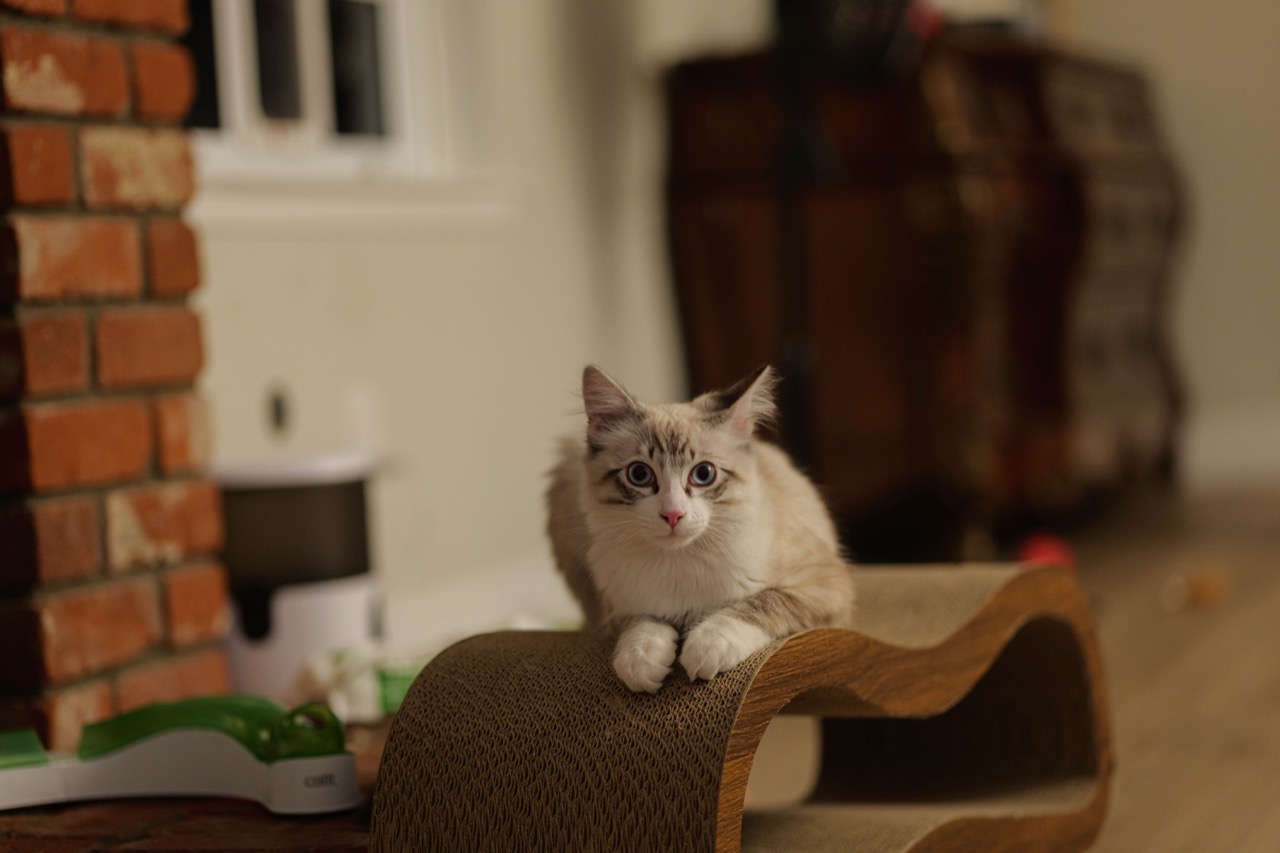
Scratching, zoomies, and other everyday mysteries Scratching is normal and necessary. It removes old nail sheaths, stretches the shoulders and back, and leaves scent marks from glands in the paws. Providing sturdy scratching surfaces in key areas, especially near sleeping spots and social hubs, helps redirect the behavior away from furniture. Sudden bursts of energy, often called zoomies, are also normal. They can be a release of pent up energy, a response to excitement, or a sign that a cat needs more play opportunities. Short interactive play sessions that mimic hunting, stalk, chase, pounce, can satisfy instincts and reduce nighttime chaos.
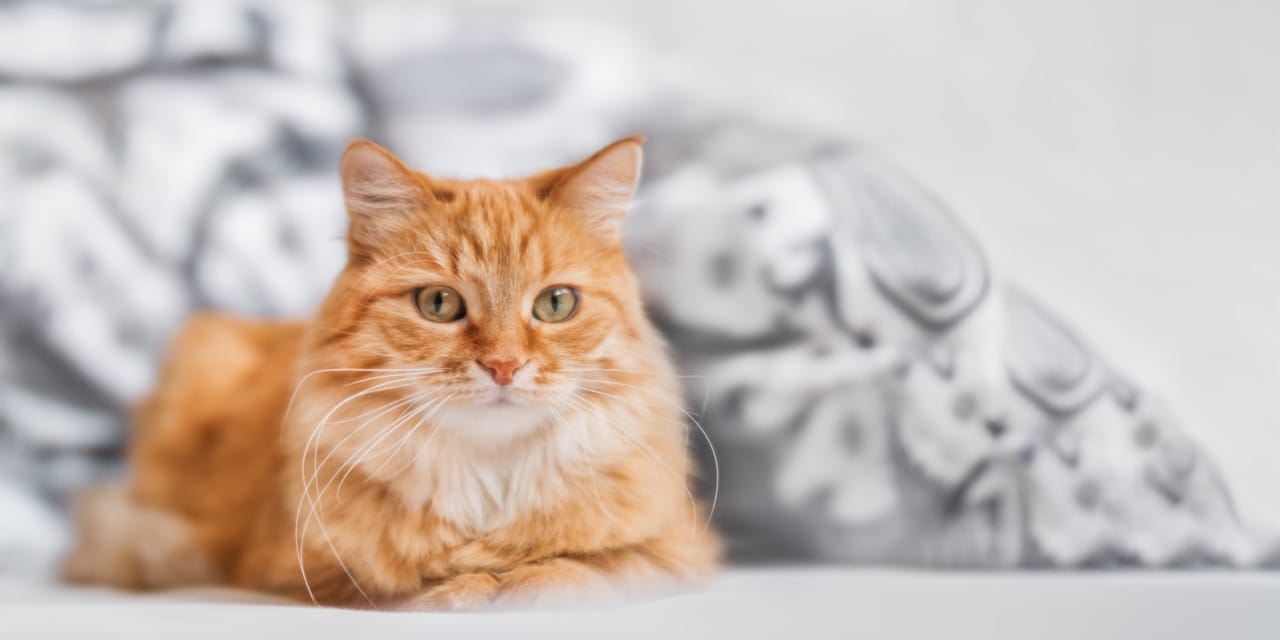
Coats, colors, and genetics in brief Coat color and pattern are shaped by genetics that influence pigment type and distribution. For example, orange coloration is linked to genes on the X chromosome, which helps explain why orange cats are more often male. Colorpoint patterns, seen in breeds like Siamese, are influenced by temperature sensitive pigmentation, leading to darker extremities. These traits are not just cosmetic; they can be tied to breed history and selective breeding, though personality varies widely among individuals.
Cats in culture and myth busting Cats have held many roles in human history, from pest control partners to sacred symbols. They were revered in parts of ancient Egypt and later spread widely through trade and seafaring, valued for protecting food stores. Modern myths still linger. Cats do not always land on their feet, though their righting reflex is impressive. Milk is not a universal treat; many adult cats are lactose intolerant. And a cat’s aloof reputation is misleading. Many form strong bonds, simply expressing affection in quieter, more subtle ways.
Conclusion Cats are not tiny dogs in disguise. They are specialized animals with remarkable sensory tools, nuanced communication, and behaviors rooted in survival. The more you understand why they scratch, purr, groom, and sprint, the easier it becomes to live with them happily. A trivia challenge can be fun, but the real reward is noticing your cat’s daily habits with fresh eyes and a bit more respect for the whiskered wonder sharing your home.

.jpg)