The Cat Encyclopedia Challenge





Quiz Complete!
Behind the Whiskers: A Mini Encyclopedia of Cats
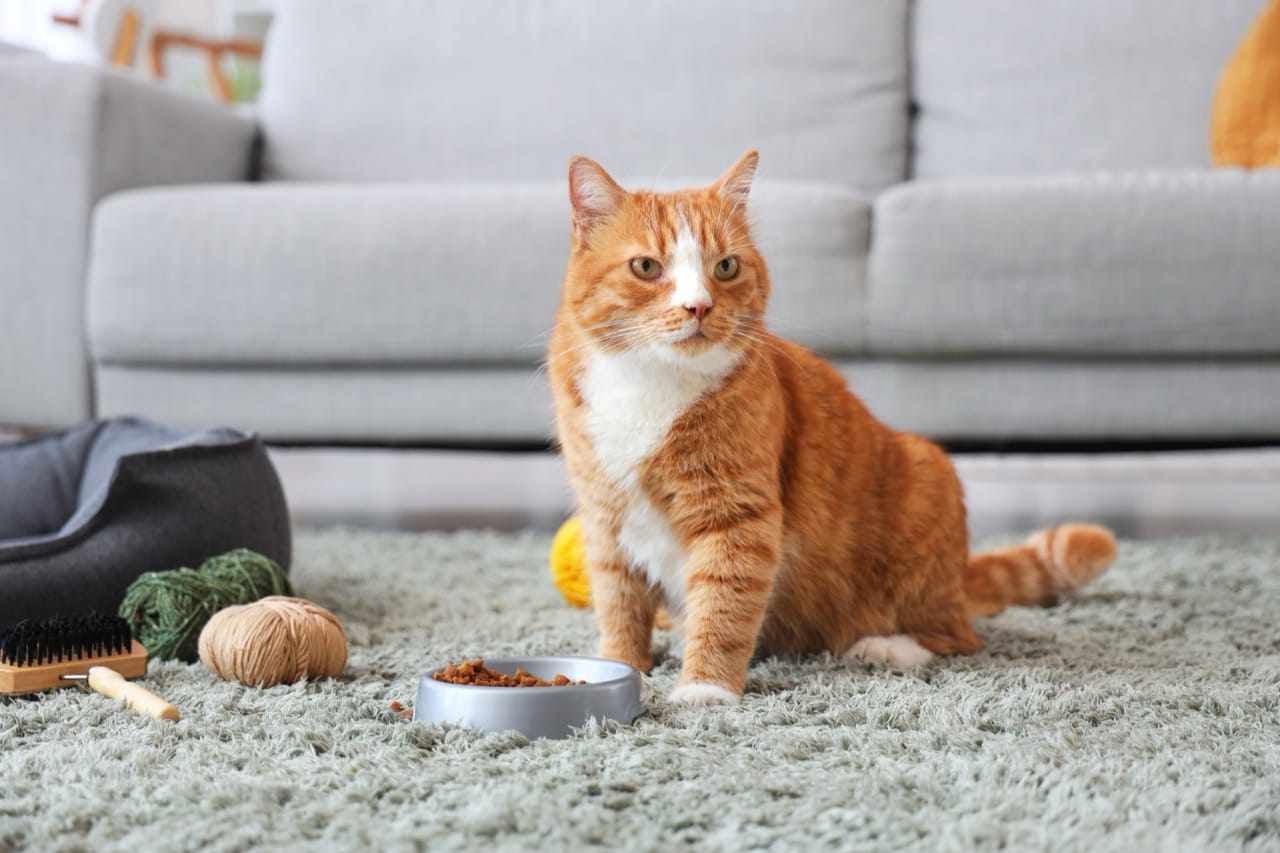
Introduction Cats look effortless as they nap, stretch, and slip through life with quiet confidence. Yet under that calm surface is a finely tuned small predator shaped by evolution and thousands of years alongside humans. Understanding a cat’s body, behavior, and basic care makes the animal less mysterious and the relationship more rewarding.
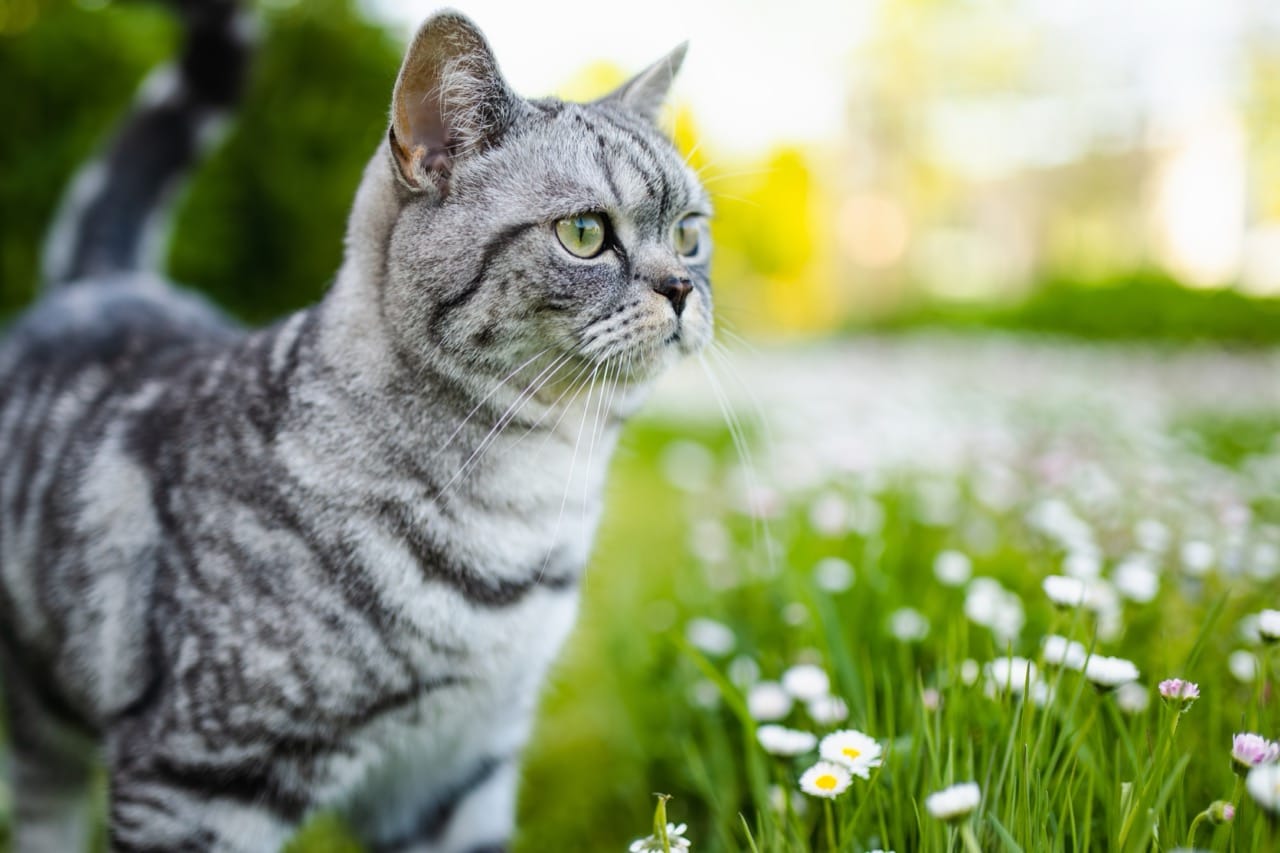
Anatomy built for stealth A cat’s flexible skeleton is not just a party trick. Cats have a highly mobile spine and a loosely attached collarbone, which helps them compress their shoulders and slide through surprisingly narrow spaces. Their gait is efficient and quiet, supported by padded paws and retractable claws that stay sharp because they are protected when not in use. Whiskers are not decorative. They are specialized sensory hairs that detect air movement and help a cat judge openings and track nearby motion, especially in low light.
The eyes that shine and the senses that rule Many cats’ eyes appear to glow in the dark because of a reflective layer behind the retina called the tapetum lucidum. It bounces light back through the retina, improving night vision, though it can slightly reduce sharpness in bright conditions. Cats also have excellent hearing, able to detect high frequencies associated with small prey, and their ears can swivel to pinpoint sound. Their sense of smell is strong, and they use an extra chemical detection system called the vomeronasal organ, often seen when a cat makes a flehmen face with a slightly open mouth.
Communication: purrs, meows, and tail talk Cats communicate with a mix of scent, posture, facial expression, and sound. Slow blinking is often a friendly signal. Tail position can indicate confidence, caution, or agitation, and a twitching tail tip may signal rising arousal or irritation. Meowing is used heavily with humans, and many adult cats meow less with other cats. The purr is especially unusual because it can occur during contentment, stress, pain, or even near death. Scientists still debate all its functions, but it is produced by rapid muscle activity around the larynx and may help a cat self-soothe. Some research suggests the vibration frequencies could support tissue healing, though this is not a substitute for veterinary care.
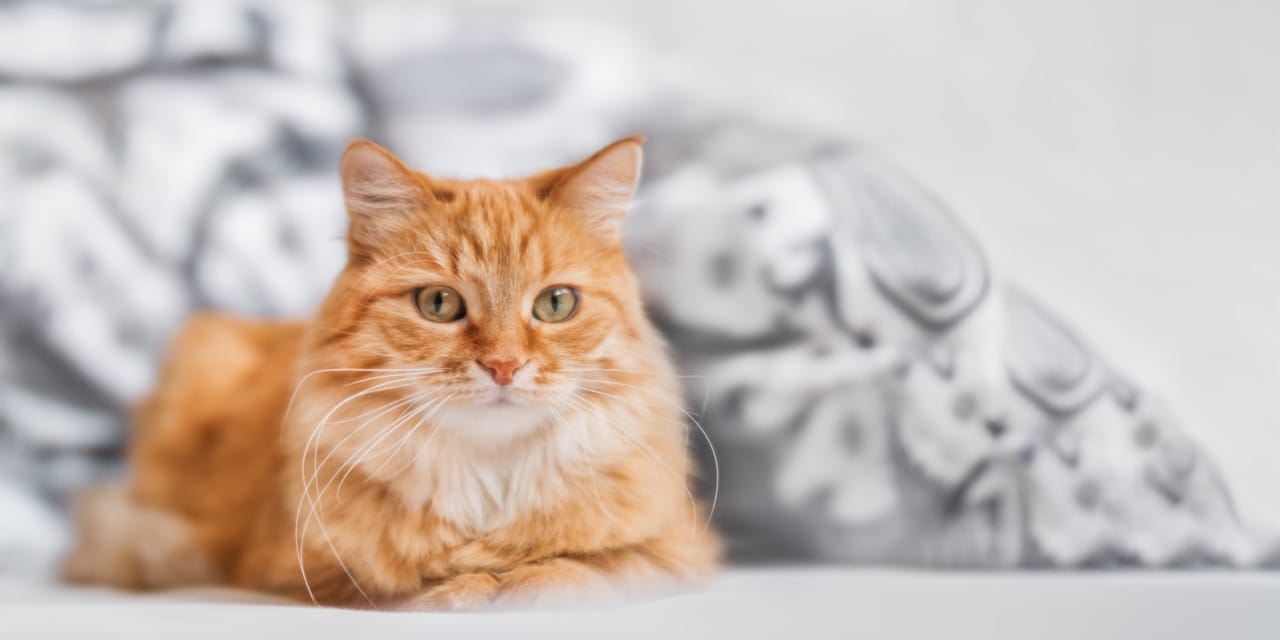
History, genetics, and breeds Domestic cats descend primarily from the African wildcat, with domestication likely beginning as cats took advantage of rodent-rich human settlements. Unlike many domestic animals bred for work, cats largely joined humans on their own terms. Genetics explains why certain traits cluster in breeds, but it also explains everyday coat patterns. The gene that produces orange coloring is linked to the X chromosome, which is why most orange cats are male and most calico and tortoiseshell cats are female. Breed labels can predict some tendencies, but individual personality, early socialization, and environment matter more than many people expect.
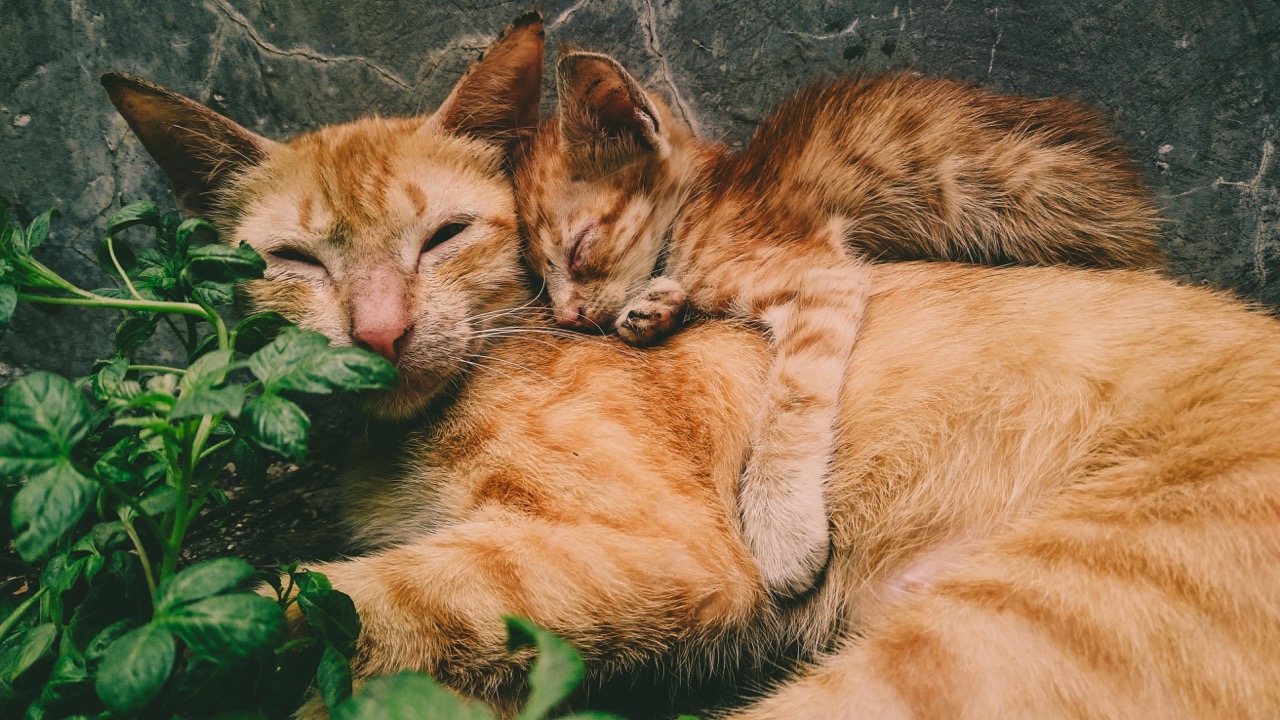
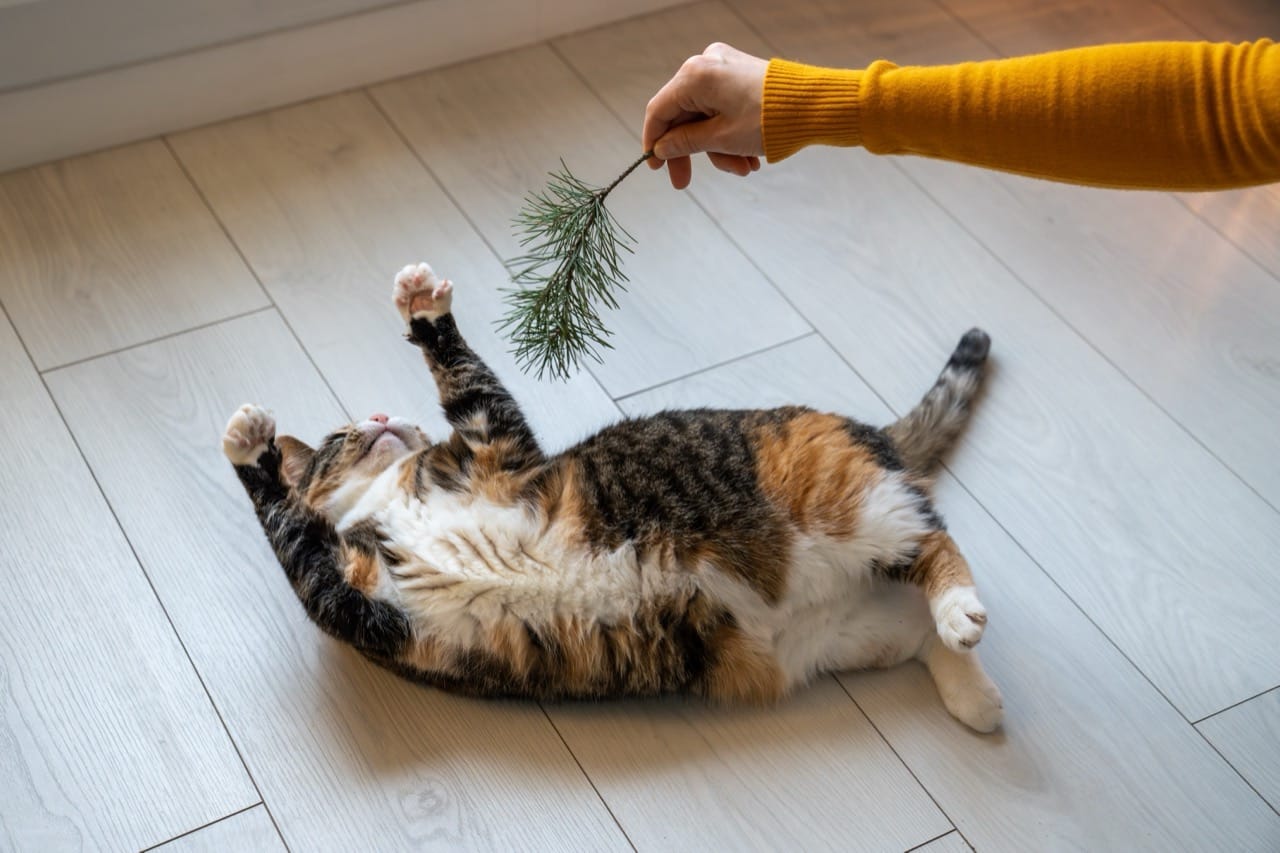
Everyday care and safety essentials A cat’s pregnancy lasts about nine weeks, typically around 63 to 65 days. Kittens need warmth, frequent feeding, and early gentle handling to become comfortable with people. Nutrition matters throughout life. Cats are obligate carnivores, meaning they require nutrients found naturally in animal tissue, such as taurine and preformed vitamin A. Some common foods are dangerous, including onions, garlic, grapes, raisins, alcohol, and xylitol sweetener. Chocolate and caffeine are also risky. Lilies can be deadly to cats even in small amounts. Regular veterinary visits, parasite prevention, dental care, and environmental enrichment like play and scratching surfaces support long-term health.
Conclusion Cats may seem like quiet enigmas, but their behavior and biology follow clear patterns once you know what to look for. From reflective eyes and sensory whiskers to complex communication and specialized nutrition, the details reveal why cats are such successful hunters and such compelling companions. The more you learn, the more impressive that small predator on your couch becomes.



.jpg)