The Alchemist’s Whispering Courtyard





Quiz Complete!
The Alchemist’s Whispering Courtyard: The Science and Secrets of Cats
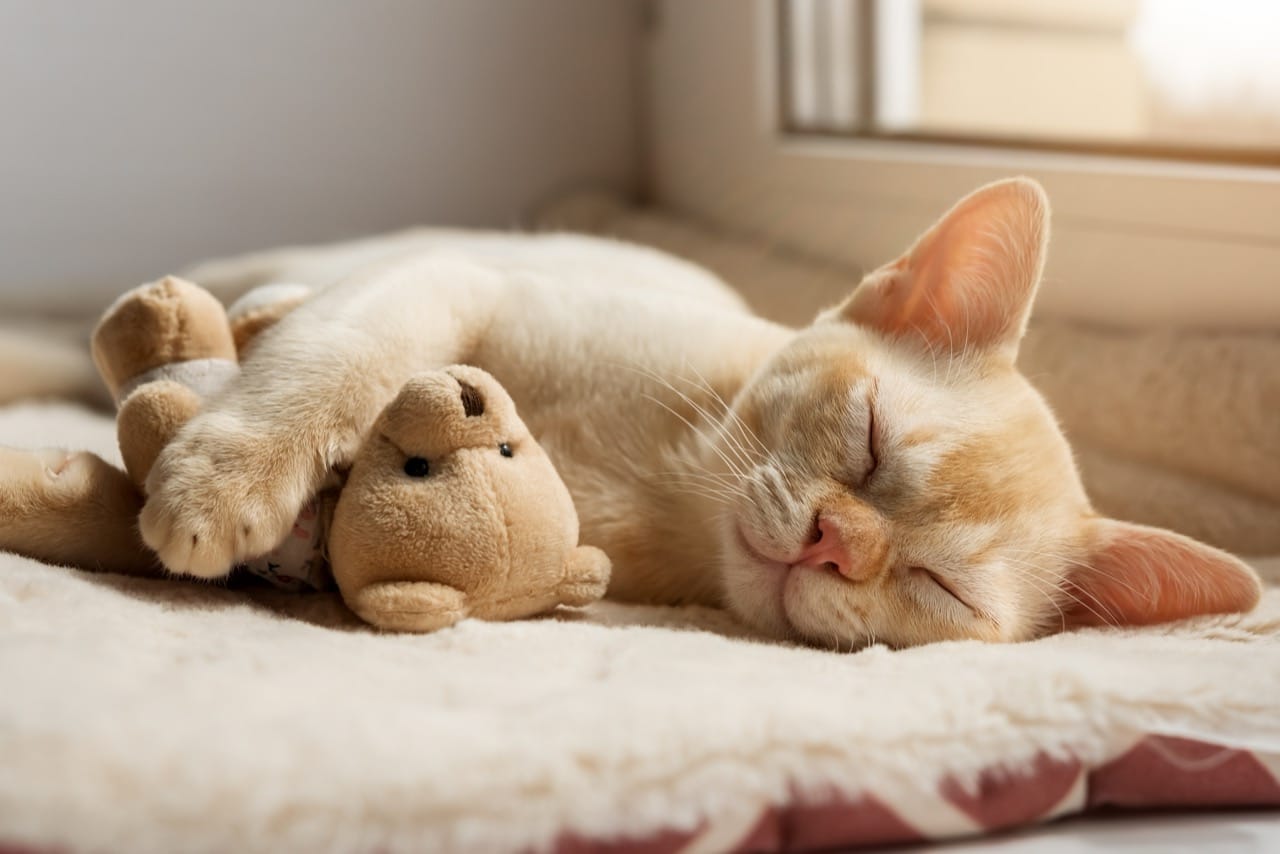
Introduction Step into any quiet room and a cat can turn it into a stage. A drifting curtain becomes a rival, a sunbeam becomes a throne, and a cardboard box becomes a fortress with rules only the cat understands. Behind these theatrics is a finely tuned animal shaped by evolution and centuries of living near humans. Understanding how cats see, hear, feel, and communicate makes their odd little rituals feel less like mystery and more like clever biology.
Senses Built for Twilight Cats are crepuscular, meaning they are most active around dawn and dusk. Their eyes are designed to work well in low light. A reflective layer behind the retina helps recycle light, which is why cat eyes can seem to glow in the dark. They do not see in total darkness, but they can make excellent use of dim light. Their vision is also optimized for detecting movement, especially small, quick motions that resemble prey.
Hearing is another superpower. Cats can detect higher-pitched sounds than humans, which helps them locate tiny animals. Their ears can swivel to pinpoint where a sound is coming from, and they often turn one ear independently of the other. If your cat seems to be listening to nothing, it may be tracking a faint noise you cannot hear.
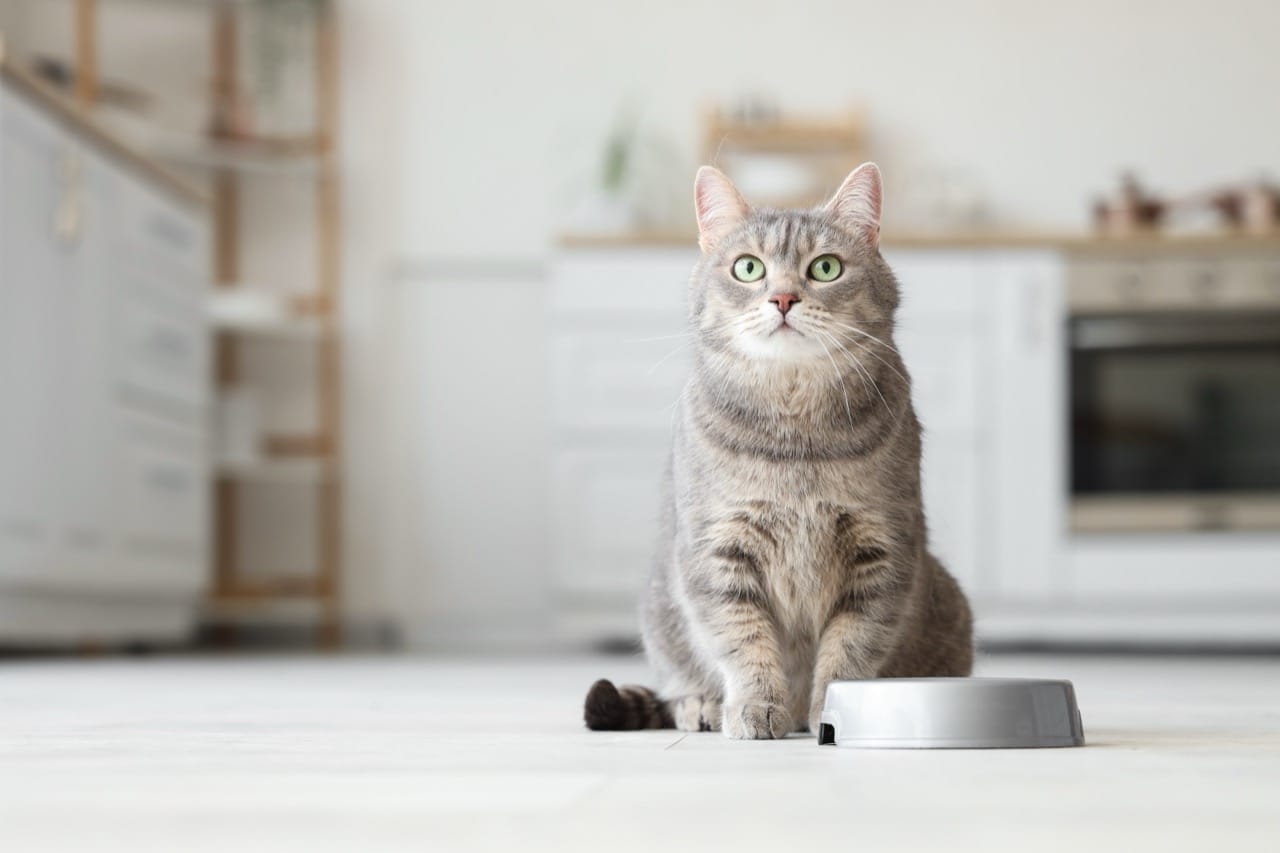
Whisker Wizardry and Body Maps A cat’s whiskers are not just decoration. They are sensitive touch sensors connected to nerves and muscles, helping a cat judge spaces and detect air currents. This is why whiskers often flare forward when a cat is curious or hunting, and why some cats dislike narrow bowls that press on whiskers, a discomfort sometimes called whisker fatigue.
Cats also have scent tools that shape their behavior. They rub cheeks and bodies on furniture and people to deposit scent marks. Scratching is not only about sharpening claws; it leaves visual marks and scent signals from glands in the paws. Even the roof of a cat’s mouth contains a special organ that helps analyze scent, which is why you may see a cat freeze with an open mouth in a funny expression after sniffing something interesting.
The Physics of Purring and the Language of Tails Purring is often linked to contentment, but cats also purr when stressed, injured, or seeking comfort. The sound is produced by rapid muscle movements around the voice box. Researchers continue to study why cats purr in so many situations, but it clearly plays a role in communication, both with humans and with other cats.
Cats communicate with posture and motion as much as with sound. A tail held upright is often a friendly greeting. Slow blinking can signal relaxation and trust. Flattened ears, a twitching tail, or a tense crouch can indicate overstimulation or irritation. Learning these cues can prevent misunderstandings, especially during petting sessions that suddenly end in a swat.
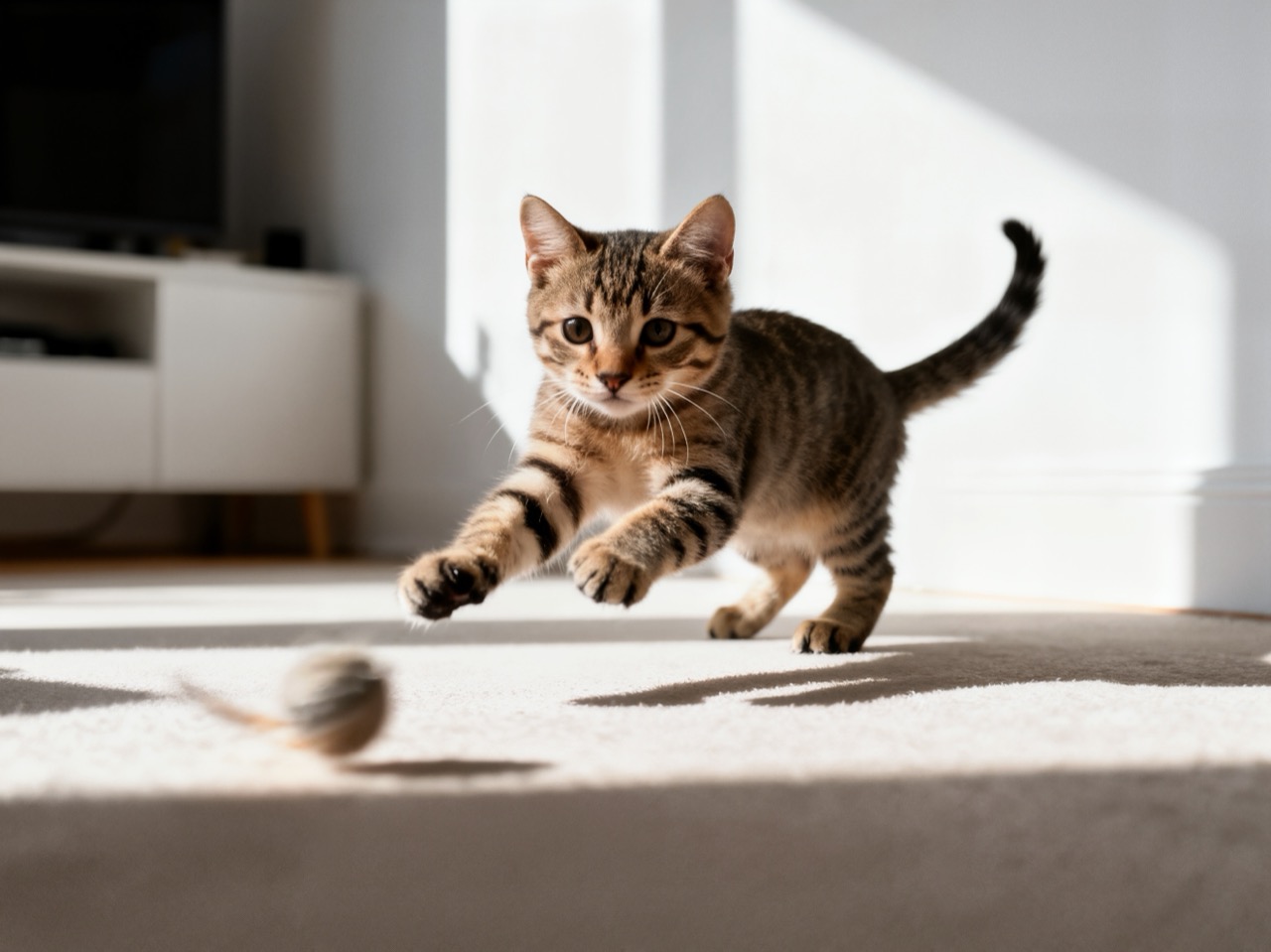
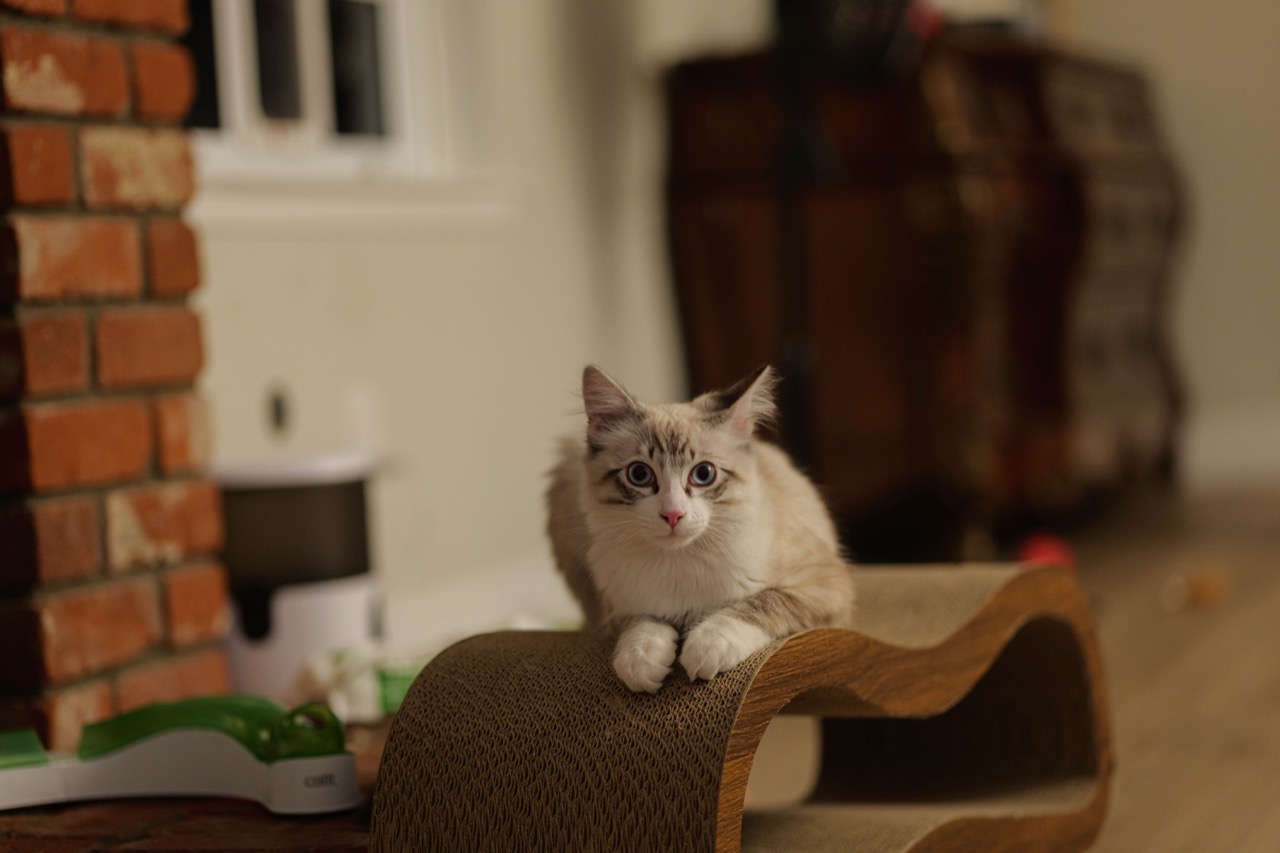
Hunters in the Living Room Even well-fed cats retain strong hunting instincts. Play that involves stalking, chasing, pouncing, and grabbing is not just entertainment; it rehearses real behavior. This is why wand toys and short, energetic play sessions can satisfy a cat more than passive toys. It also explains the strange appeal of boxes: a small enclosure offers warmth, security, and a perfect ambush spot.
Breeds, Records, and Human History Cats likely began their close relationship with humans when early farming created rodent-rich environments. The cats that tolerated people gained access to food and shelter, and humans benefited from pest control. Over time, selective breeding produced distinctive looks and temperaments, from long-haired fluff to sleek, vocal companions. Record breakers range from extraordinary jumpers to cats with remarkable longevity, reminding us how variable these animals can be.
Conclusion Cats may act like tiny alchemists, transforming ordinary corners into secret courtyards of intrigue, but their magic is grounded in biology. Night-ready senses, whisker-based navigation, scent messaging, and a hunter’s mind all shape the quirks we love. The more you understand these tools and instincts, the more each purr, blink, and box obsession becomes a clue in a fascinating, living puzzle.
.jpg)