Tail Twitchers Trivia Challenge









Quiz Complete!
Whiskerless Wonders: The Science Behind Your Agile Home Companion

Introduction Cats have a talent for turning ordinary moments into mysteries: a silent stalk across the hallway, a sudden sprint at 2 a.m., or a long, unblinking stare that feels like a secret message. Beneath the cute habits is a finely tuned predator built for dusk hunting and close-range precision. Understanding how cats sense, communicate, and move not only makes trivia more fun, it also helps explain everyday behavior in a practical way.
Senses Built for Low Light and Close Range Cats are not true night vision superheroes, but they are excellent in low light. Their eyes have a reflective layer called the tapetum lucidum that bounces light back through the retina, giving their eyes that familiar shine and improving sensitivity in dim conditions. Their pupils also open wide to capture more light. Up close, cats can be a bit less sharp than humans, which is one reason movement grabs their attention so strongly. They rely heavily on hearing and smell to fill in the details.
Why the Tongue Feels Like Sandpaper A cat tongue is covered in tiny, backward-facing spines called papillae made of keratin, the same material as claws. These spines act like a built-in comb that helps remove loose fur and dirt during grooming. They also help scrape meat from bones, reflecting a carnivore design. Grooming is not just about cleanliness. It spreads scent, regulates temperature, and can calm a cat during stress. The downside is hairballs, which happen when swallowed fur accumulates in the digestive tract.
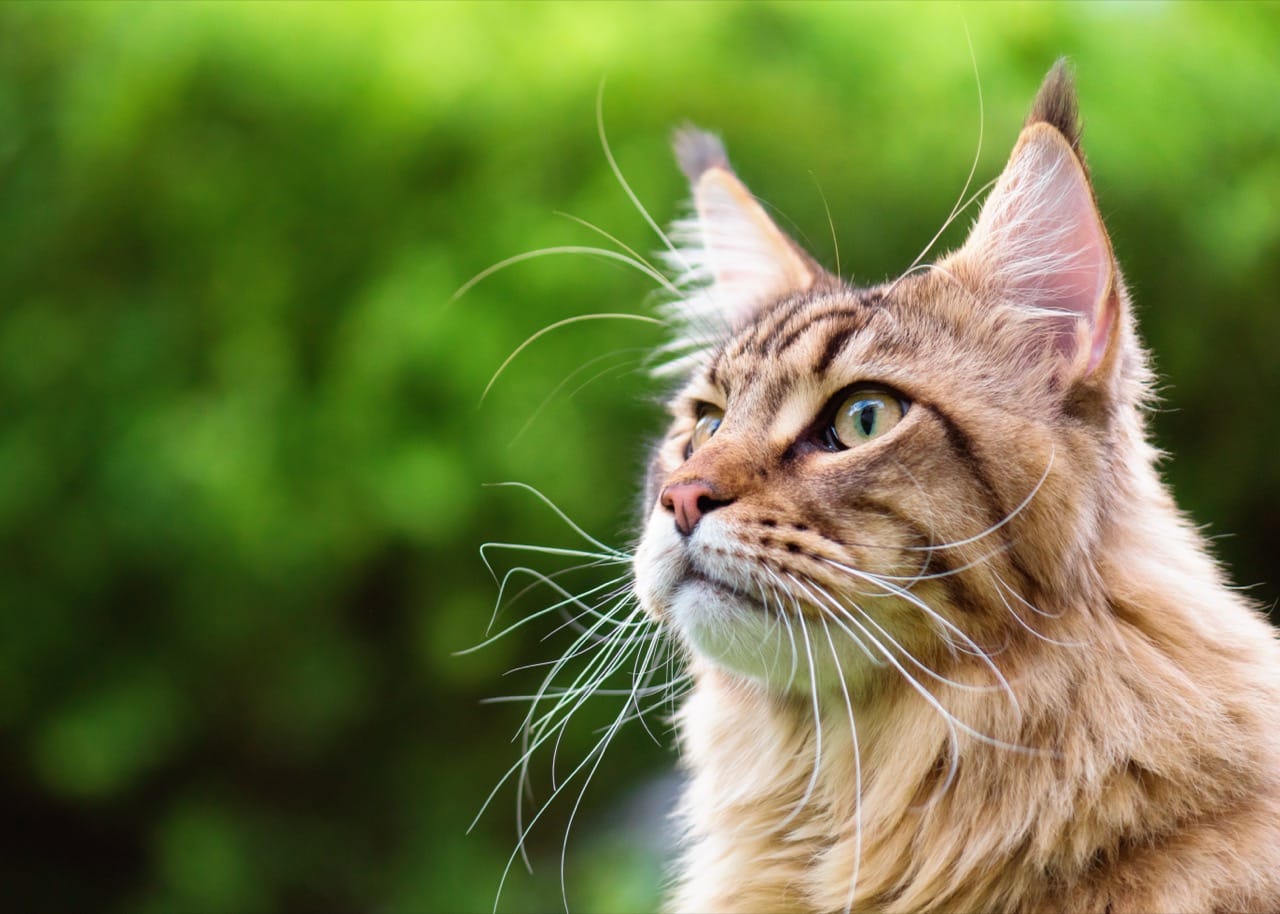
Whiskers: More Than Decoration Whiskers are specialized hairs connected to sensitive follicles packed with nerves and blood supply. They detect subtle air currents and vibrations, helping cats judge spaces and track moving objects in close quarters. Whiskers can also signal mood. Forward whiskers often indicate interest or hunting focus, while whiskers held back may suggest fear or discomfort. Trimming whiskers can disorient a cat, like taking away a key navigation tool.
Scent Glands and the Secret Social Network Cats communicate a lot through scent. Glands on the cheeks, chin, lips, paws, and tail base release chemical signals. When a cat rubs its face on furniture or your leg, it is often marking a familiar, safe territory rather than claiming ownership in a human sense. Scratching leaves both a visible mark and a scent message from paw glands. Even the simple act of kneading can be tied to comfort and scent marking.
Body Language: The Real Meaning of That Stare A cat’s posture and tail tell a story. A tail held high usually signals confidence and friendly intent. A puffed tail can mean fear or high arousal. Slow blinking is widely considered a relaxed, non-threatening signal, and many cats respond when humans slow blink back. Purring often means contentment, but it can also appear during pain or anxiety, so context matters. Ears swivel like radar dishes, and flattened ears typically indicate stress or defensiveness.
Wild Instincts in a Living Room World Domestic cats still share many instincts with wild relatives. Their hunting sequence, stalk, pounce, bite, is deeply ingrained, even in well-fed pets. Short bursts of speed match the ambush style of a predator that saves energy for quick attacks. Play behavior, like chasing strings or batting objects, is practice for real hunting skills.
Conclusion Cats may live on couches, but their bodies and brains are shaped by evolutionary demands for stealth, precision, and communication. From reflective eyes to comb-like tongues, from whisker sensors to scent messages, each feature has a purpose grounded in biology. The more you learn, the more those mysterious stares and sudden sprints start to make sense, and the better prepared you are for any whisker-focused challenge.




.jpg)