Tabby Trivia Rally










Quiz Complete!
Whiskerless Wonders: A Friendly Guide to the Fascinating Feline World
Introduction Cats are masters of quiet drama: one moment they are statues on a windowsill, the next they are airborne athletes chasing an invisible target. Their appeal comes from a mix of mystery and familiarity. They share our homes, yet many of their behaviors still echo a wild past. Understanding how cats sense the world, communicate, and live alongside humans makes everyday moments more meaningful and turns trivia into genuine insight.
From wild ancestors to living room legends Domestic cats descend primarily from the African wildcat, a skilled small-game hunter. As early farming communities stored grain, rodents moved in, and wildcats that tolerated people gained easy access to prey. Over time, a loose partnership formed: humans benefited from pest control, and cats benefited from food and shelter. Unlike many domestic animals bred for specific jobs, cats largely domesticated themselves by fitting into human environments. Modern breeds are a recent development, often selected for coat type, body shape, or temperament, but the core cat behaviors remain remarkably consistent across the species.
Superpowered senses and clever anatomy A cat’s body is built for ambush. Their flexible spine and powerful hind legs enable sudden bursts of speed and impressive leaps. The tongue is another specialized tool: it is covered in tiny backward-facing spines made of keratin. These help strip meat from bones in the wild and act like a comb for grooming, distributing saliva and helping remove loose fur.
Many people notice that a cat’s eyes seem to glow at night. This is due to a reflective layer behind the retina called the tapetum lucidum, which bounces light back through the photoreceptors to improve low-light vision. Cats do not see in complete darkness, but they can make excellent use of very dim light. Their hearing is also finely tuned, with ears that can swivel to pinpoint small sounds, such as the high-frequency squeaks of prey.
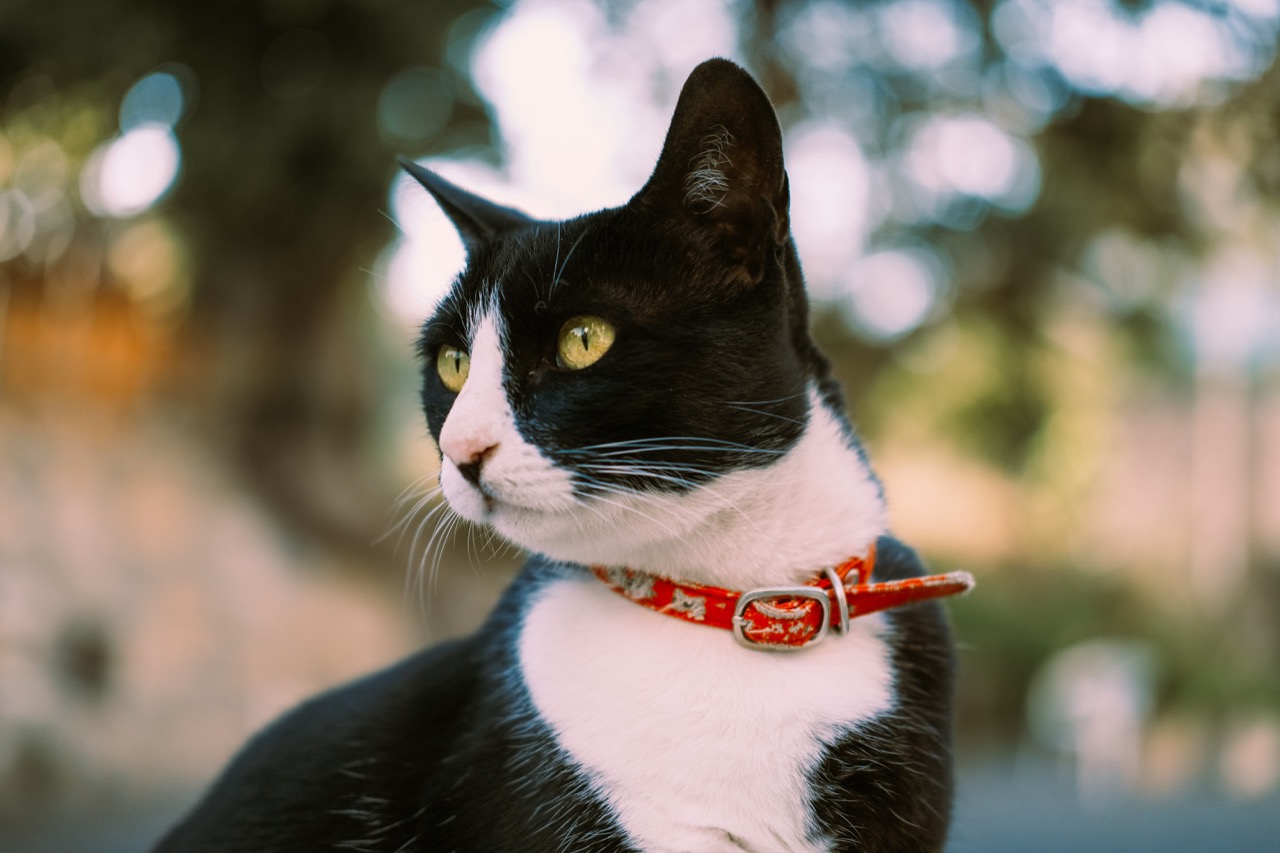
Whiskers, body language, and silent conversations Whiskers are not just decoration. They are sensitive touch receptors that help cats judge spaces and detect subtle air currents. Whisker position can also signal mood: forward whiskers often accompany curiosity or hunting focus, while whiskers pulled back can indicate stress.
Cats communicate through a mix of posture, facial expressions, scent, and vocalizations. A slow blink is often a sign of relaxation and trust. A tail held upright is usually a friendly greeting, while a puffed tail suggests fear or excitement. Purring commonly indicates contentment, but cats may also purr when anxious or in pain, possibly as a self-soothing mechanism. Scratching is another multi-purpose behavior: it maintains claw health, stretches muscles, and leaves both visual marks and scent signals.
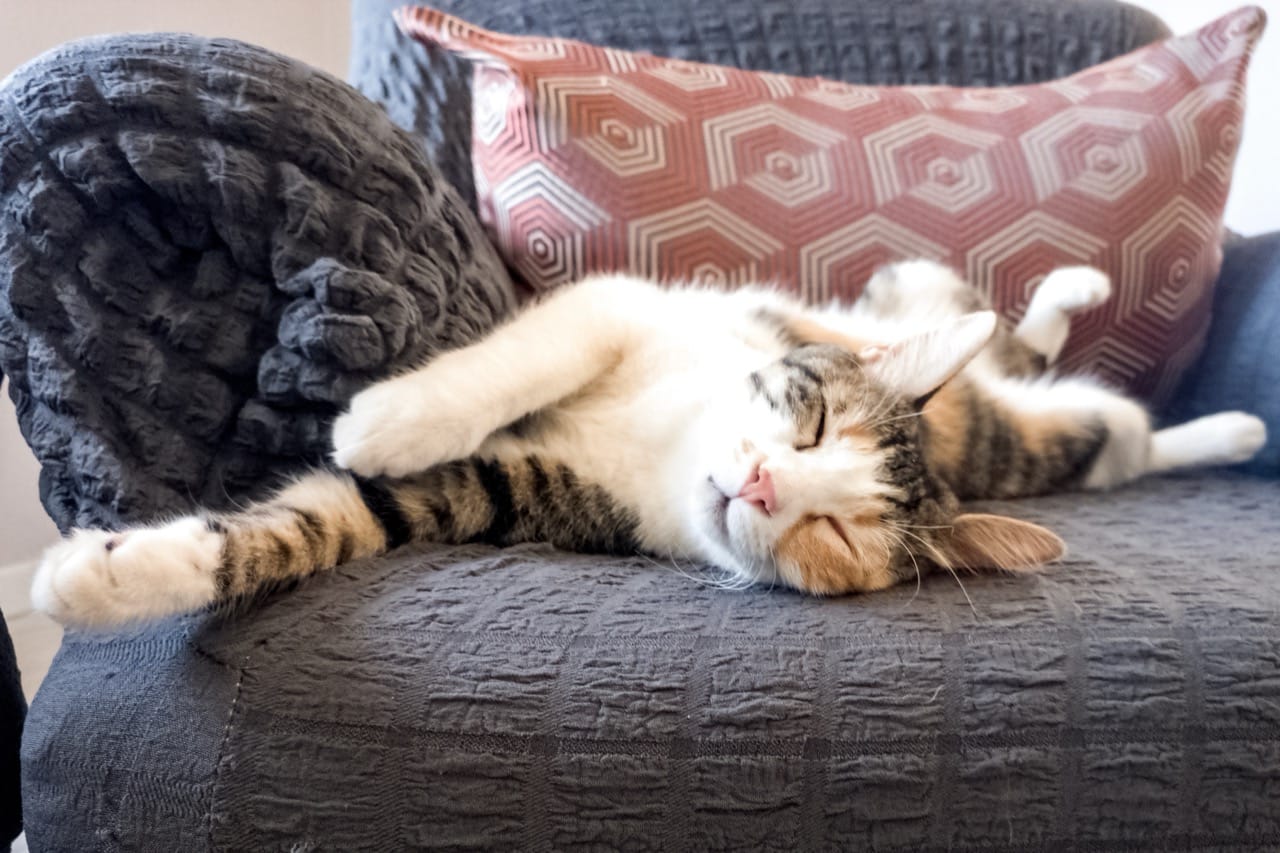
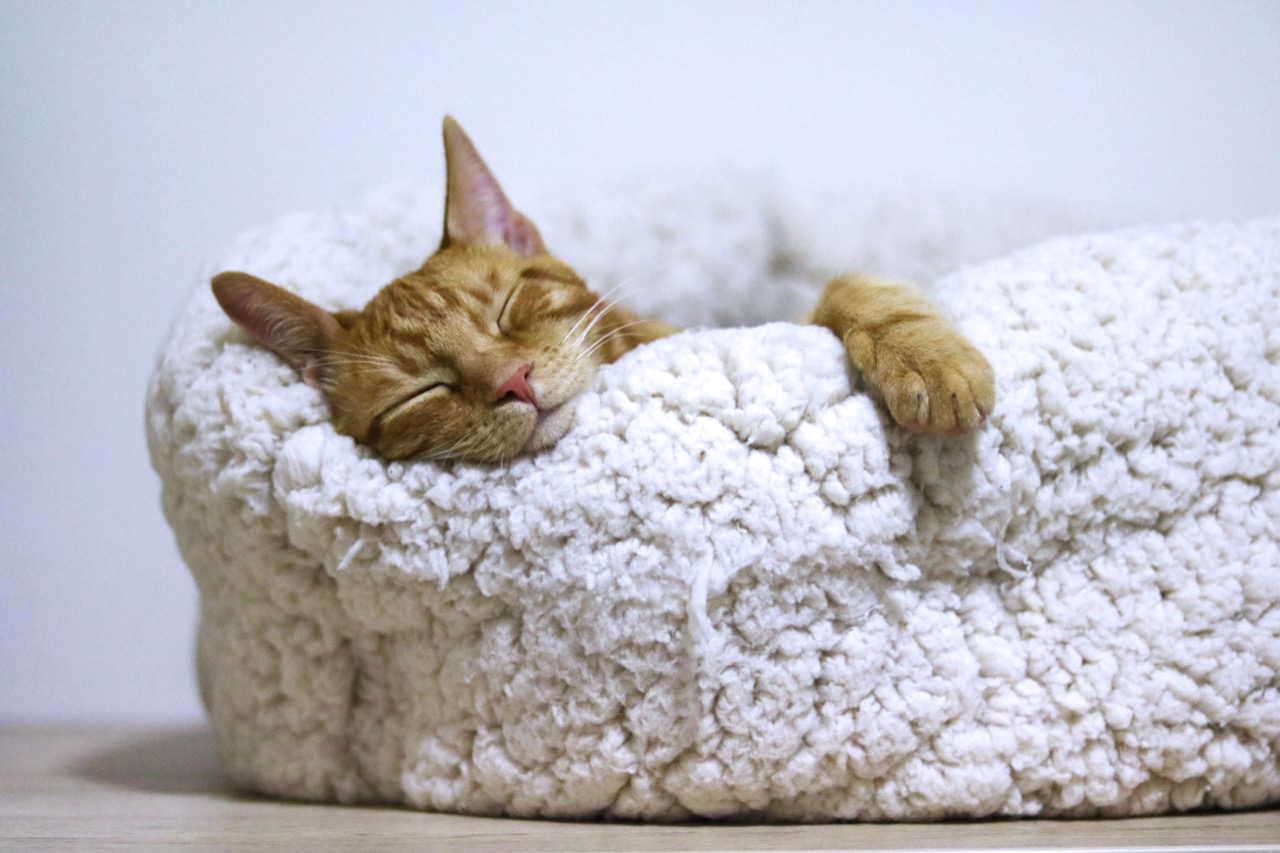
Daily habits: boxes, naps, and midnight zoomies Cats love boxes because enclosed spaces provide warmth, security, and a strategic vantage point. Their famous love of napping is also practical. Cats are natural crepuscular hunters, meaning they are most active around dawn and dusk. Long rest periods conserve energy for short, intense activity. Those sudden sprints across the room often reflect stored energy, playful practice of hunting skills, or a response to stimulation.
Conclusion Cats blend wild instincts with household charm, and that combination fuels their endless trivia appeal. When you recognize how their senses work, why their eyes shine, what their whiskers and tails are saying, and how their habits connect to an ancient hunting lifestyle, you see more than quirky behavior. You see a finely tuned animal adapting brilliantly to life on couches, rooftops, and everywhere in between.




.jpg)