Scratching Post Wisdom Quiz





Quiz Complete!
Whiskerless Wisdom: Understanding the Science and Care Behind Your Cat’s Quirks
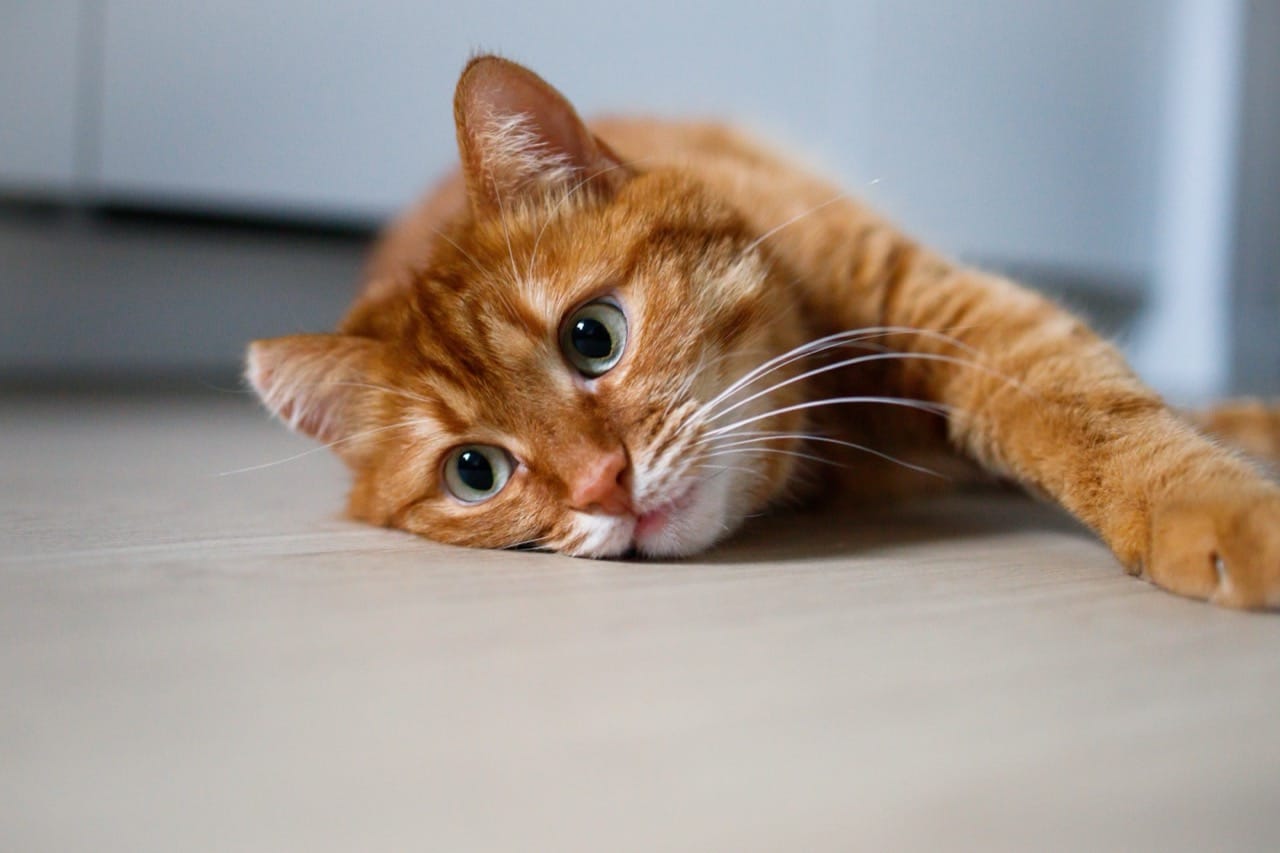
Cats can feel like quiet roommates with secret lives: they nap for hours, then suddenly sprint through the hallway as if chased by invisible ghosts. Yet every purr, blink, and tail twitch is part of a rich communication system and a set of needs shaped by evolution. Knowing a few essentials can make daily life smoother, improve health, and deepen the bond between you and your feline companion.
One of the most recognized cat sounds is purring. Many people associate it only with happiness, and it often does appear during relaxed moments like petting or kneading. But cats also purr when they are anxious, in pain, or even while giving birth. Researchers think purring may help with self soothing and communication, and the vibration range may support tissue healing. The key takeaway is simple: purring is meaningful, but it is not a guarantee that everything is fine. If a cat is purring while hiding, refusing food, or acting unusually still, it may be time to check for illness or stress.
Body language offers even clearer clues. A tail held high usually signals confidence and friendliness, while a puffed tail is a classic sign of fear. A rapidly lashing tail often means irritation or overstimulation, and a tail that flicks only at the tip can be a sign of focused attention, such as watching prey. Slow blinking is one of the gentlest social signals a cat can offer. Many cats interpret a slow blink from a human as nonthreatening, and returning it can be a simple way to build trust.
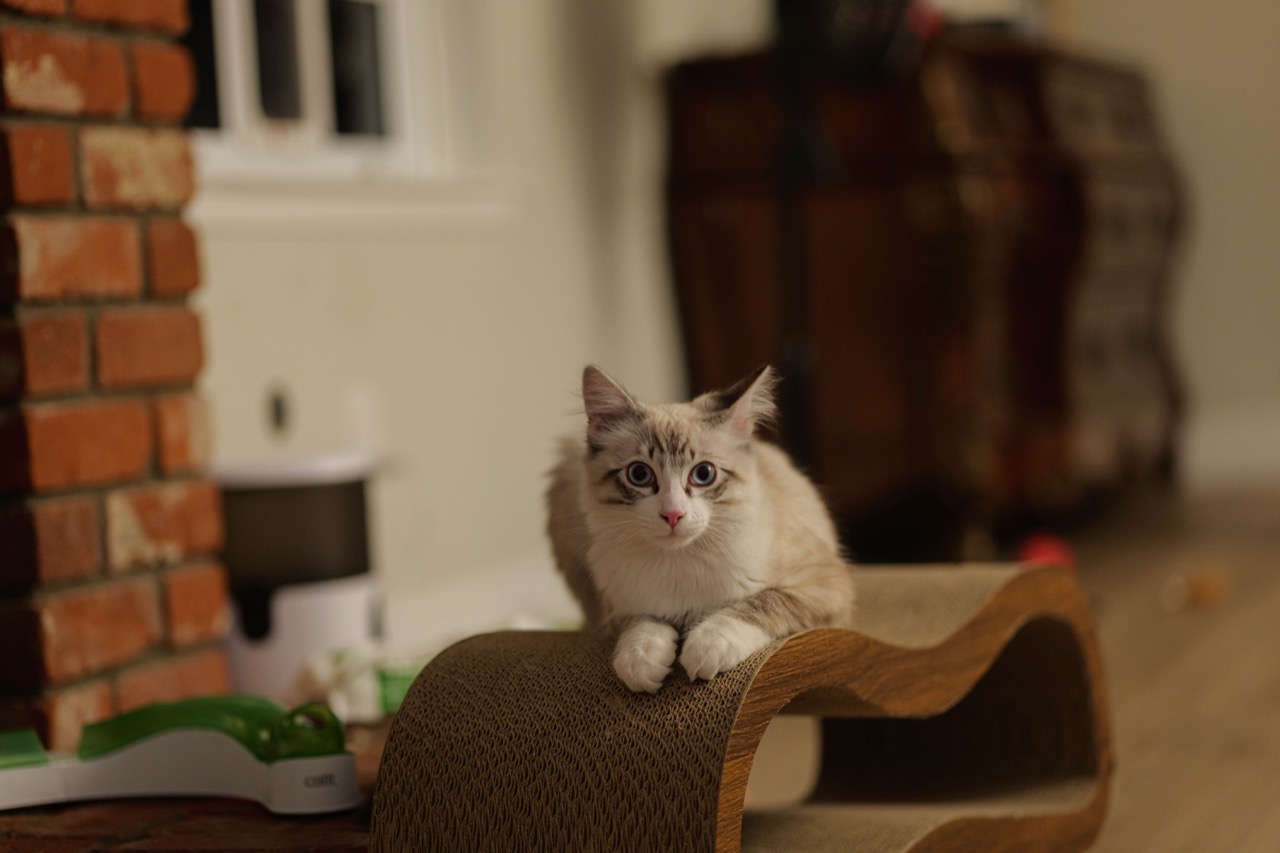
Cats are athletic because their bodies are built for short bursts of hunting. Their flexible spine, powerful hind legs, and balancing tail make acrobatic leaps look effortless. Those sudden zoomies are often normal energy release, especially in younger cats or indoor cats with limited stimulation. Regular interactive play, like wand toys that mimic prey, helps satisfy hunting instincts and can reduce midnight chaos. Scratching is another instinct that matters. It is not spiteful behavior; it maintains claw health, stretches muscles, and marks territory with scent glands in the paws. Providing sturdy scratching posts in key areas is more effective than trying to stop scratching altogether.
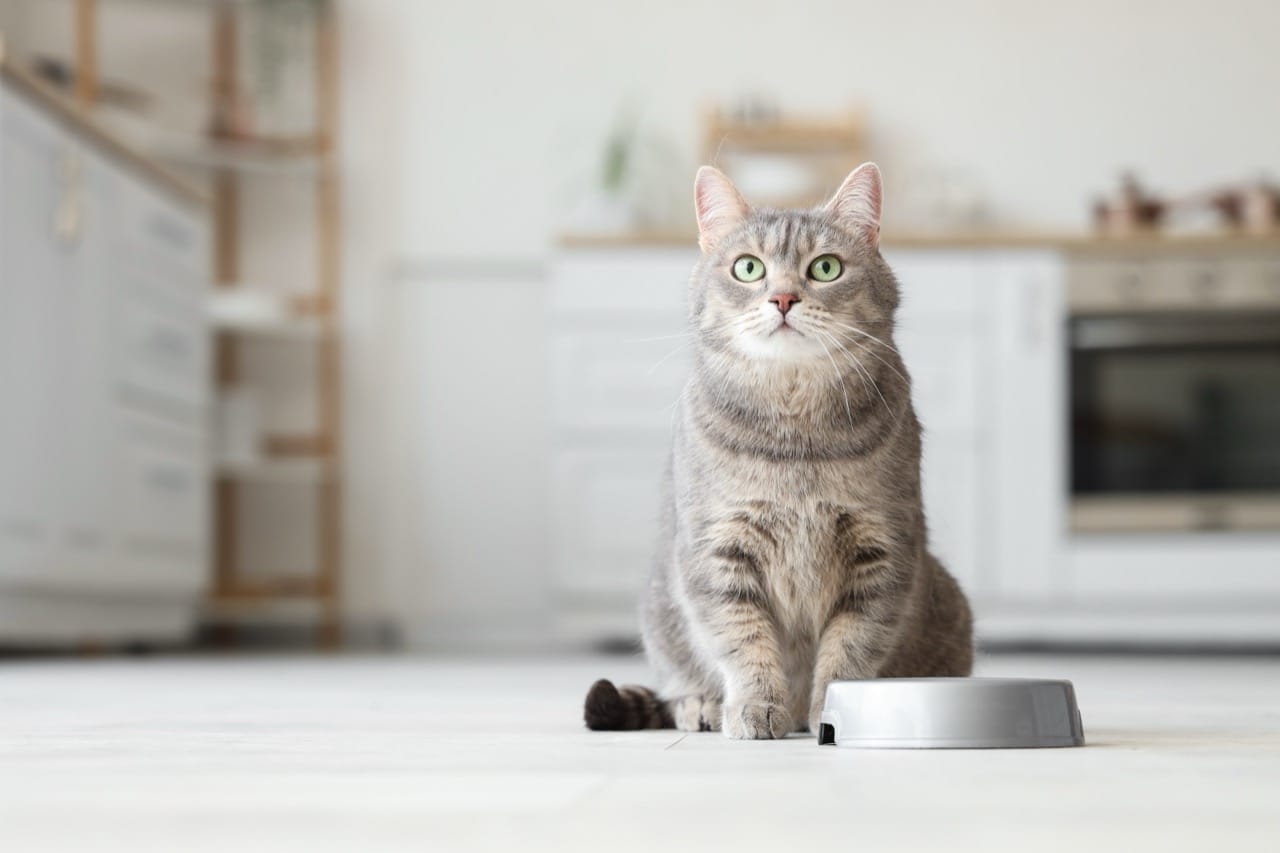
Care basics are just as important as behavior. Cats are naturally low thirst animals because their ancestors got much of their water from prey. This can contribute to urinary issues when they eat only dry food and drink little. Fresh water, multiple bowls placed away from litter boxes, and water fountains can encourage drinking. Some cats benefit from wet food, which adds moisture to the diet. Nutrition should be complete and balanced for the cat’s life stage, and treats should remain a small portion of daily calories.
Grooming is both a comfort and a health topic. Cats groom themselves, but brushing reduces hairballs, helps you spot skin problems early, and can be calming when introduced gently. Litter box habits also reflect wellbeing. A sudden change in urination, stool, or box avoidance can signal medical issues, stress, or problems with box cleanliness and location.
A safe environment supports a cat’s sensory superpowers. Whiskers are touch sensors that help cats judge spaces and detect air movement. Using wide, shallow food and water dishes can reduce whisker discomfort for some cats. Provide vertical spaces like cat trees, hiding spots for retreat, and predictable routines to lower stress.
Cats may seem mysterious, but they are consistent once you learn their signals. By combining practical care with an understanding of feline behavior, you can turn everyday moments into clearer communication, better health, and a more rewarding friendship.
.jpg)