Rulers of the Purring Kingdom




Quiz Complete!
Whiskerless Wonders of the Purring Kingdom: The Science Behind Everyday Cat Antics
Introduction Living with a cat can feel like sharing space with a quiet athlete, a part time comedian, and a tiny ruler who expects tribute on schedule. One minute they are perfectly still, staring at a corner like they see a ghost, and the next they sprint down the hallway for no obvious reason. These everyday moments are not random. They are rooted in sharp senses, specialized anatomy, and behaviors shaped by thousands of years as small, efficient hunters.
Senses built for stealth Cats experience the world differently than humans. Their hearing is especially impressive: they can detect higher pitched sounds than people, which helps them pick up the squeaks and rustles made by prey. Their ears rotate to pinpoint sound direction, and the muscles can move each ear independently, like two small radar dishes.
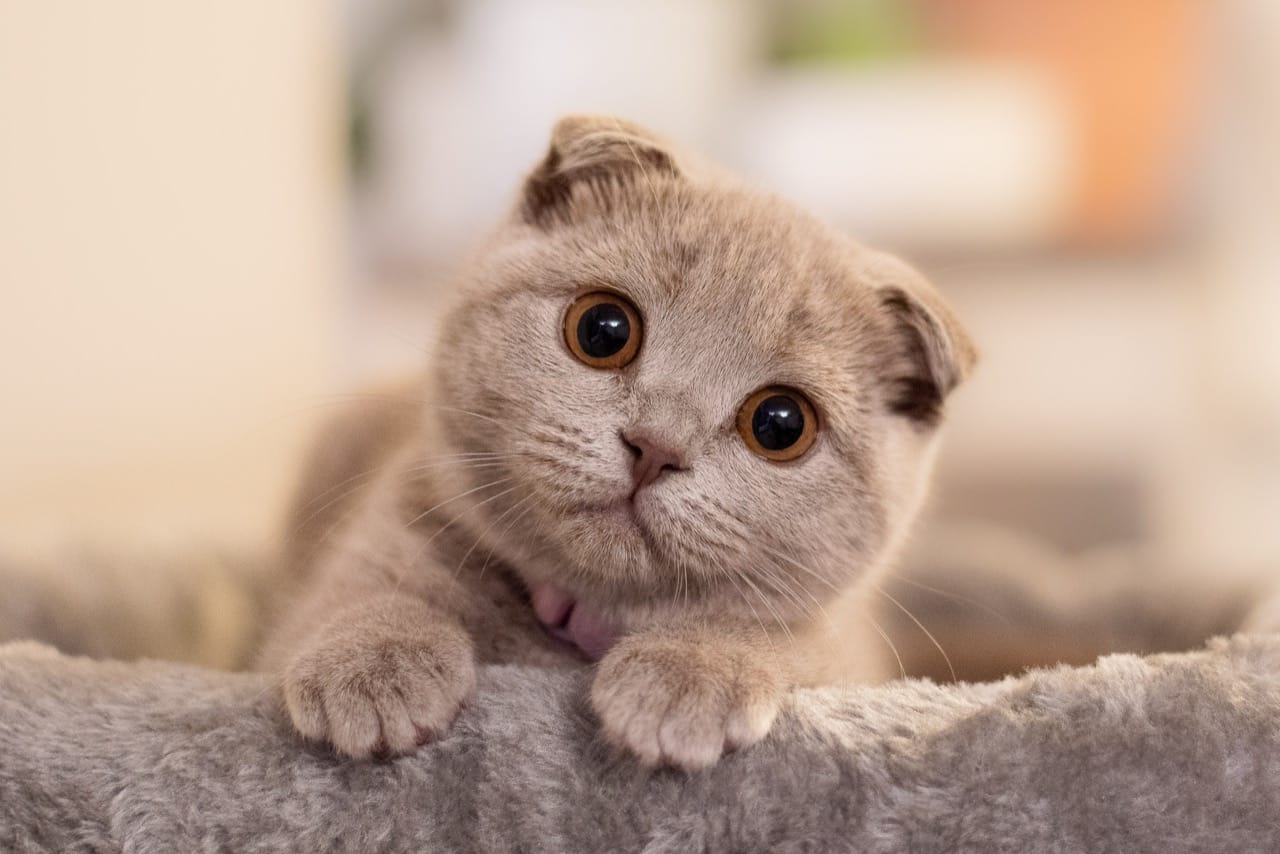
Vision is another advantage, particularly in low light. Cats have large pupils and a reflective layer behind the retina that helps them use available light more efficiently. This is why their eyes can appear to glow in the dark when light hits them at the right angle. While they do not see the world in the same rich range of colors humans do, they are excellent at detecting motion, which matters more than color for a hunter.
Whiskers, despite the quiz title’s playful twist, are a key part of their sensory toolkit. These specialized hairs, called vibrissae, are deeply embedded and packed with nerves. They help cats judge whether they can fit through tight spaces and sense subtle air currents, which is useful when navigating in the dark or tracking movement.
Communication: purrs, blinks, and tail talk Cats communicate with a mix of sound, scent, and body language. Meowing is often aimed at humans more than other cats, almost like a learned way to get our attention. Purring is usually a sign of comfort, but it can also appear when a cat is stressed or in pain. Researchers believe purring may have a soothing effect and the low frequency vibrations might even support healing, though it is not a substitute for veterinary care.
Slow blinking is one of the friendliest signals a cat can give. It often indicates relaxation and trust. Tail position also matters: a tail held upright can mean a confident greeting, while a puffed tail is a classic sign of fear or high arousal. Flattened ears, a twitching tail tip, or a tense body can be early warnings that a cat needs space.
Anatomy and athletic feats Cats are built for sudden bursts of speed and power. Their flexible spine acts like a spring, and strong hind legs provide explosive acceleration. Retractable claws stay sharp because they are protected when not in use, and they provide traction for climbing, pouncing, and quick turns.
Their righting reflex is another famous feature. When a cat falls, it can twist its body midair to land on its feet, using its spine and inner ear balance system. This ability is remarkable, but it does not make cats invincible, and falls from any height can still cause serious injury.
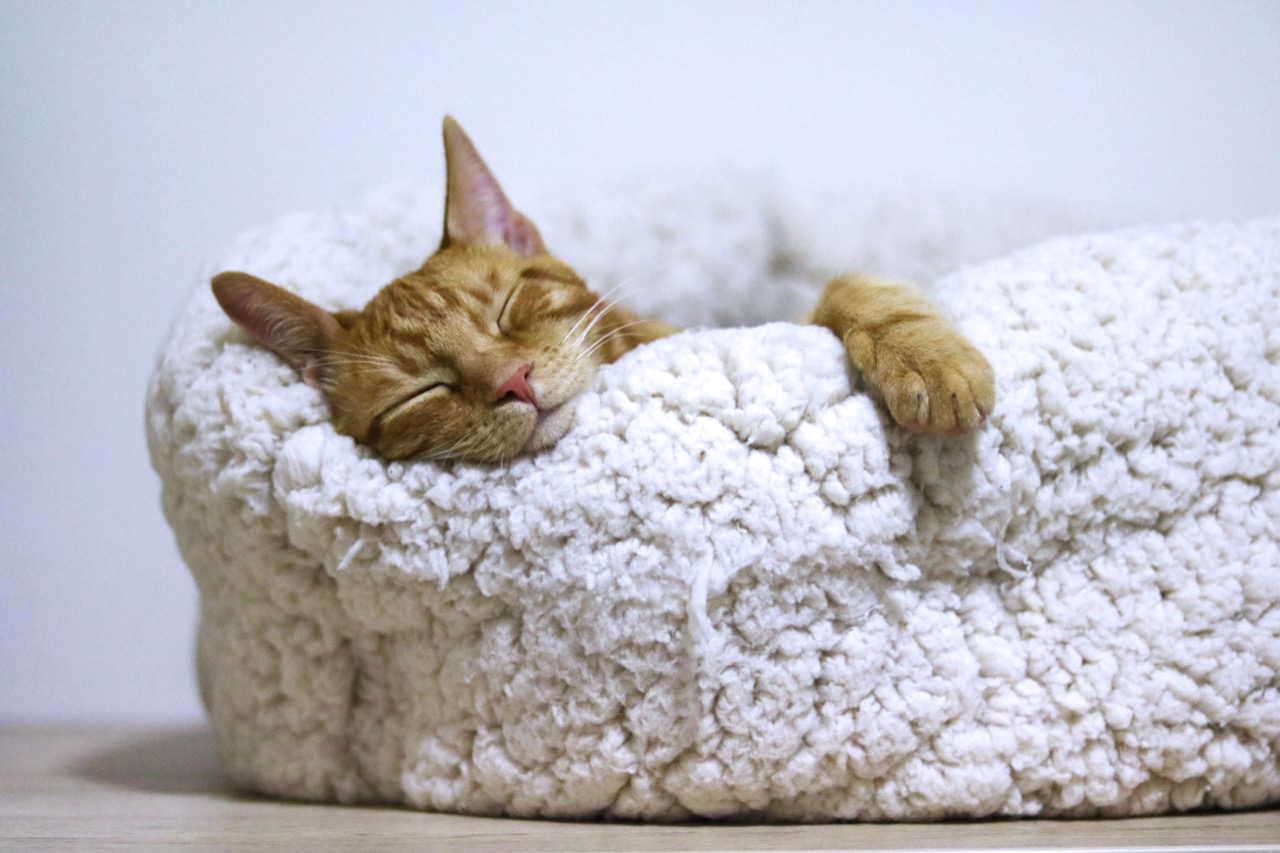
Sleep, zoomies, and the hunter schedule Cats sleep a lot, commonly 12 to 16 hours a day, and some sleep even more. This is not laziness so much as energy management. In the wild, hunting takes intense effort, so resting helps conserve energy for short, high performance bursts.
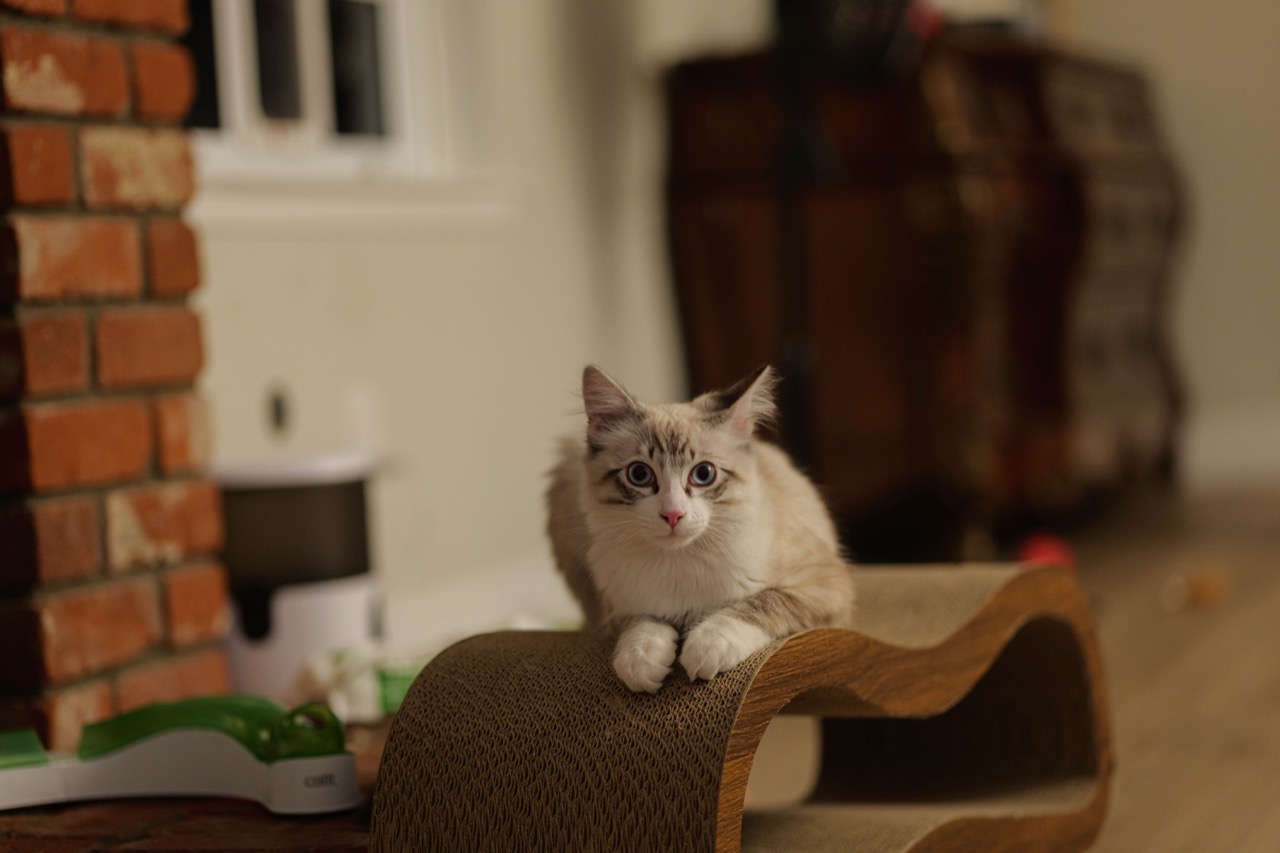
Many cats are most active at dawn and dusk, a pattern linked to the activity of small prey animals. The sudden zoomies that erupt across your living room can be a release of stored energy, a response to boredom, or simply a way to practice hunting moves. Regular play sessions that mimic stalking and pouncing can reduce nighttime chaos and help keep indoor cats mentally and physically healthy.
Conclusion Behind every mysterious stare and surprise sprint is a well tuned animal shaped by sensory precision and athletic design. Understanding how cats see, hear, communicate, and rest turns their quirks into clues about what they need and how they experience your home. The next time your cat delivers a slow blink, launches into a hallway sprint, or purrs like a tiny engine, you will have more than a cute moment. You will have a small window into the science of the purr and the prowling confidence of the purring kingdom.
.jpg)