Rapid Fire Cat Trivia





Quiz Complete!
Nine Lives, Ten Questions: Cat Trivia That Explains the Mystery in Your Living Room
Introduction Cats can feel like small, furry riddles. One minute they are motionless as statues, the next they launch into a full speed sprint for no obvious reason. Their behavior is entertaining, but much of it has roots in biology and history. Understanding where cats come from and how their bodies work turns everyday quirks into clues about a highly specialized predator that also happens to share our homes.
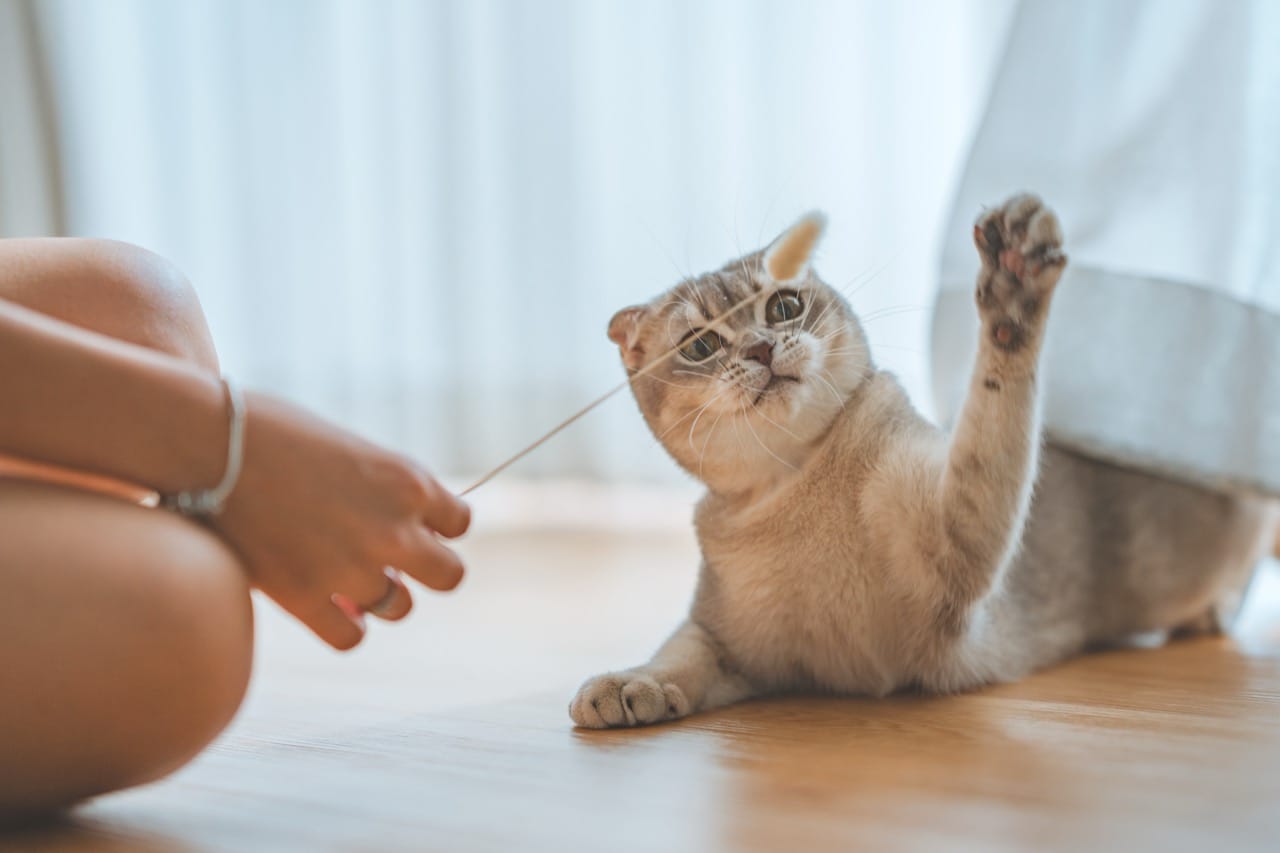
From wild hunters to household companions Domestic cats trace most of their ancestry to the African wildcat. Unlike many domesticated animals that were actively bred for work, cats likely moved in closer to people because early farming communities attracted rodents. Cats that tolerated humans had a steady food supply, and humans benefited from pest control. Over time, this relationship shaped the modern housecat, but not as dramatically as in dogs. Many cats still retain strong hunting instincts, which explains why indoor cats may stalk toys, shadows, or even your ankles as if they were prey.
Built for stealth and sudden speed Cats are ambush predators. Their flexible spine and powerful hind legs help them accelerate quickly, making those hallway sprints less random than they look. Even playful zoomies mimic short bursts of hunting energy. A cat’s collarbone is not attached like ours, allowing the shoulders to move freely and the body to squeeze through surprisingly narrow gaps. Their whiskers add another layer of navigation. Whiskers are not just long hairs; they are sensitive touch receptors that help a cat judge spaces and detect subtle air currents, useful in low light when stalking.
The tongue, the purr, and other clever tools A cat’s tongue is covered with tiny backward facing spines called papillae, made of keratin. These act like a comb for grooming, pulling loose fur and helping clean the coat. They also help scrape meat from bones, a reminder that cats are obligate carnivores with nutritional needs that require animal based nutrients such as taurine.
Purring is one of the most comforting cat sounds, but it is also complex. Cats purr when content, yet they may also purr when stressed, injured, or seeking reassurance. Some researchers suggest purring may have healing benefits because the vibrations occur in frequencies associated with tissue and bone recovery, though this is still being studied.
Why the midnight yowling happens Late night vocalizing can have several explanations. Cats are naturally more active at dawn and dusk, a pattern called crepuscular behavior. An indoor cat may get bursts of energy when the household is quiet. Yowling can also be attention seeking, hunger related, or linked to boredom. In older cats, increased nighttime noise can signal cognitive changes, hearing loss, or medical issues such as thyroid disease. If a cat suddenly becomes more vocal at night, a veterinary check is a smart first step.
Slow blinks, scent messages, and social rules The slow blink is often described as a cat version of a friendly smile. It can signal relaxation and trust, and many cats respond if you slow blink back. Cats also communicate heavily through scent. They rub their cheeks and bodies on furniture or people to deposit pheromones from scent glands, effectively labeling familiar areas and companions as safe.
Record breaking feline feats Cats can perform impressive athletic tricks, from high vertical jumps to rapid reflexes. Their righting reflex helps many cats orient in midair, though it is not a guarantee of safety. Keeping windows screened and supervising balconies matters, because falls can still cause serious injury.
Conclusion Cat trivia is more than fun facts; it is a way to decode a companion that lives halfway between wild hunter and cozy roommate. Domestication explains why cats chose us, anatomy explains how they move and groom, and behavior explains the strange noises and secret signals. The next time your cat sprints down the hallway or offers a slow blink, you will have a better idea of the ancient instincts and clever adaptations behind the mystery.
.jpg)