Purring Puzzles and Feline Fun







Quiz Complete!
Whiskerless Wonders and Purring Puzzles: Understanding the Mysterious House Cat
Introduction Cats can move through a room like a shadow, launch into sudden zoomies for no obvious reason, and then settle into a nap that looks impossibly deep. Living with a cat often feels like sharing space with a small, confident mystery. Yet behind the cool stare and quiet paws is an animal shaped by thousands of years of evolution and human history, equipped with senses and behaviors that make perfect sense once you know what to look for.
Ancient origins and the rise of the roommate hunter Domestic cats descend primarily from the African wildcat. Archaeological clues suggest cats began living near people as agriculture spread, because stored grain attracted rodents, and rodents attracted cats. Over time, the boldest and least fearful cats benefited from proximity to humans, gradually forming a partnership based less on obedience and more on mutual advantage. This history helps explain why cats often seem independent compared with many domesticated animals. They were never bred to follow commands for work in the same way, but to thrive as efficient pest controllers.
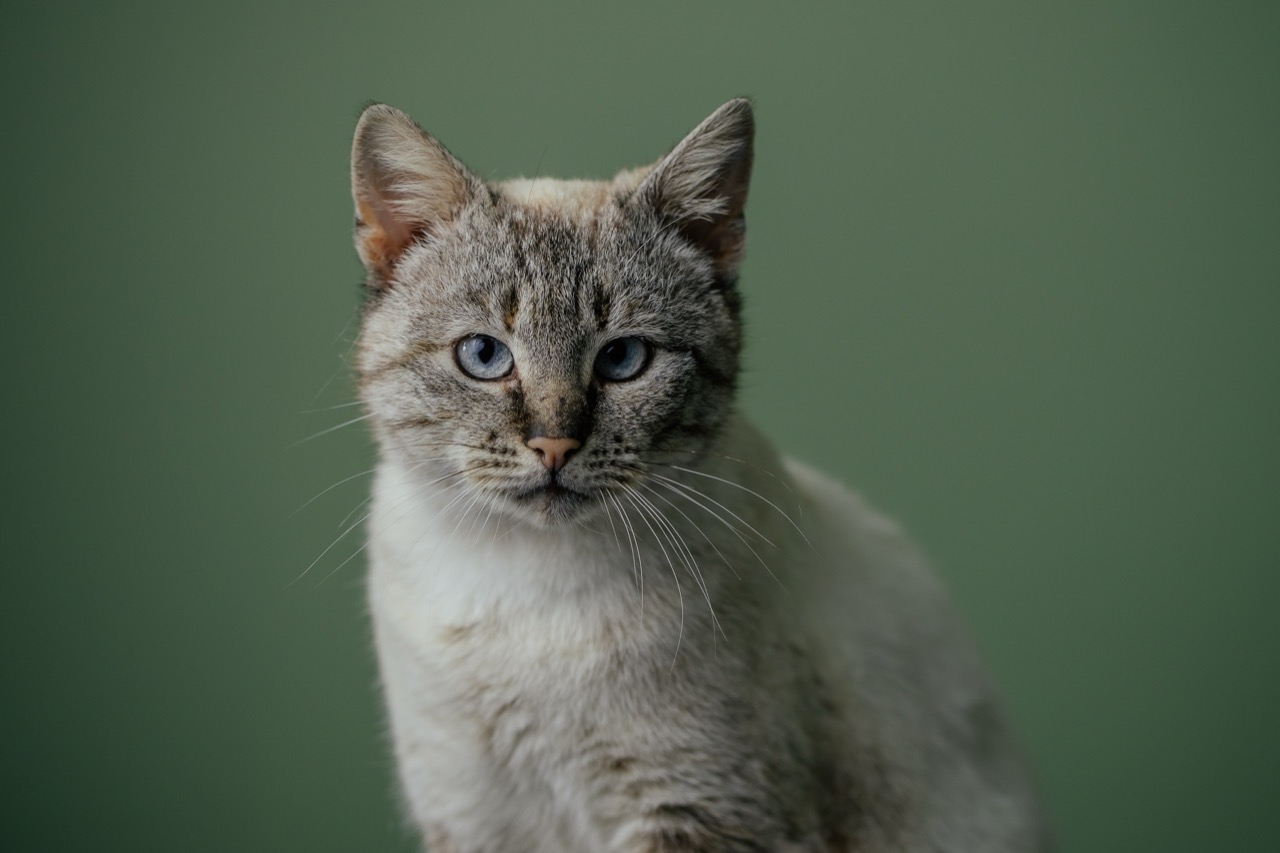
Built for stealth: anatomy and senses A cat’s body is a toolkit for ambush hunting. Their flexible spine and powerful hind legs support sudden bursts of speed and impressive jumps. Retractable claws stay sharp because they are protected while walking, and they provide traction for climbing and pouncing. Whiskers are not just decoration; they are sensitive touch receptors that help cats judge spaces, detect subtle air currents, and navigate in low light.
Cats see well in dim conditions thanks to a reflective layer behind the retina, which boosts available light. They are not seeing in total darkness, but they need far less light than humans do. Their hearing is equally remarkable. Cats can detect high frequency sounds that many rodents make, and their ears can rotate to pinpoint where a sound is coming from. Smell also plays a major role in how cats interpret their world. Many cats use a half open mouth expression called the flehmen response to pull scent molecules toward a special organ in the roof of the mouth, helping them analyze chemical information.
Communication: purrs, slow blinks, and tail talk Cats communicate with a mix of scent, body language, and sound. The purr is often linked to contentment, but cats may also purr when stressed or in pain, possibly as a self soothing mechanism. Meowing is especially interesting because adult cats rarely meow at other adult cats. Many cats reserve meows for humans, effectively using a learned vocal tool to get attention, food, or access.
A slow blink is often a friendly signal, like a relaxed smile. Tail position matters too: an upright tail commonly indicates a confident, approachable mood, while a twitching tail can signal agitation or intense focus. Rubbing against people or furniture is not only affectionate; it deposits scent markers that help a cat feel secure in its territory.
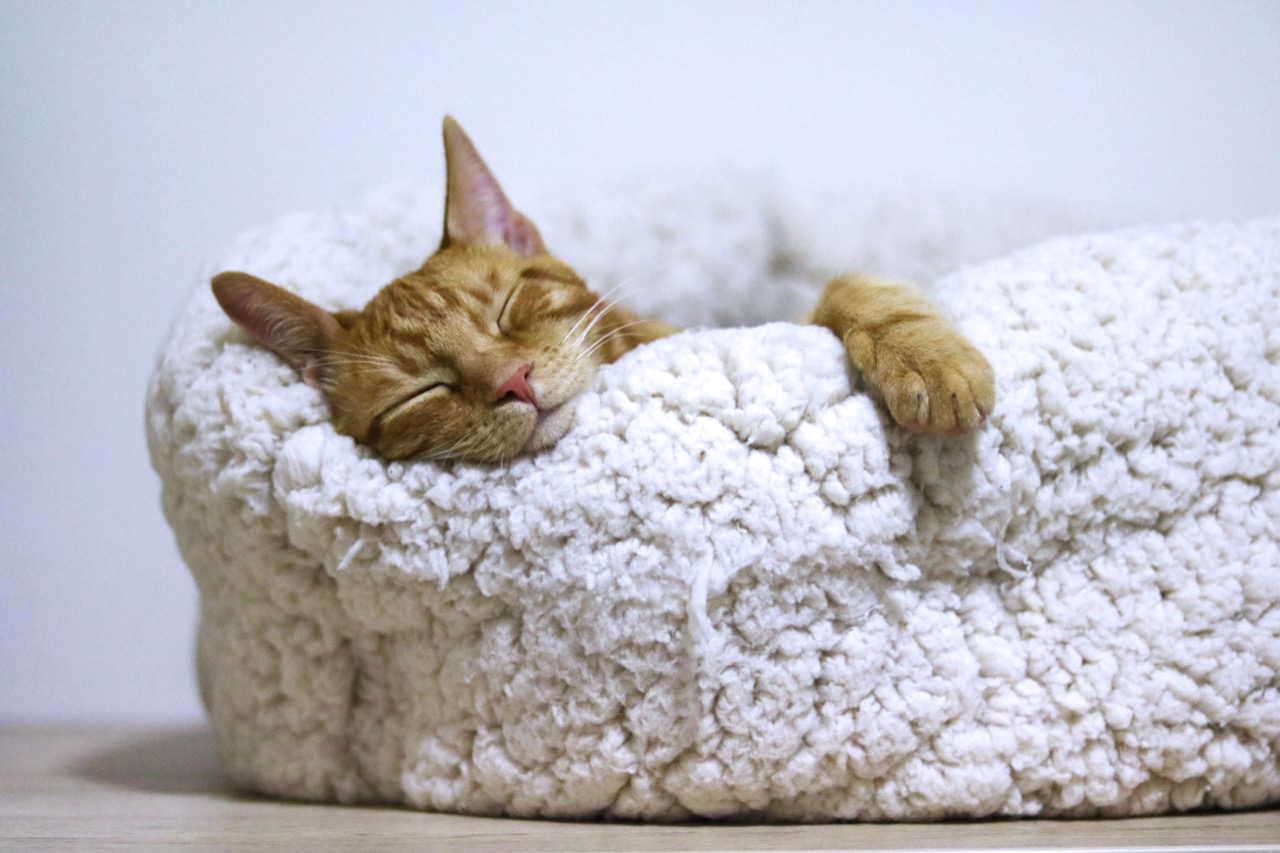
Why they nap so much and why zoomies happen Cats sleep a lot because their hunting style is energy intensive. Even indoor cats retain the same biological rhythms: conserve energy, then burst into action. Many cats are most active at dawn and dusk, times when their ancestors would have had an advantage hunting. Zoomies can be a release of pent up energy, a response to excitement, or simply a playful reset after resting.
Record breaking feats and everyday marvels Cats can fit through surprisingly small gaps because their collarbone is not rigidly attached like ours, allowing the shoulders to compress. Their righting reflex helps many cats twist midair to land on their feet, though it is not a guarantee of safety. Even the tiny details are impressive: a cat’s tongue has backward facing spines that act like a built in grooming comb, and their paws contain scent glands that leave subtle signals with each step.
Conclusion The household cat is both familiar and endlessly surprising: a small predator adapted for stealth, a communicator fluent in subtle signals, and a creature whose history with humans is more partnership than ownership. Understanding their senses, sleep patterns, and body language turns everyday moments into clues about how cats experience the world. The next time your cat stares as if reading your mind, remember it is probably just reading the room with tools far sharper than ours.
.jpg)