Purring Pros Knowledge Gauntlet





Quiz Complete!
Whiskerless Wonders: The Secret Life of Cats
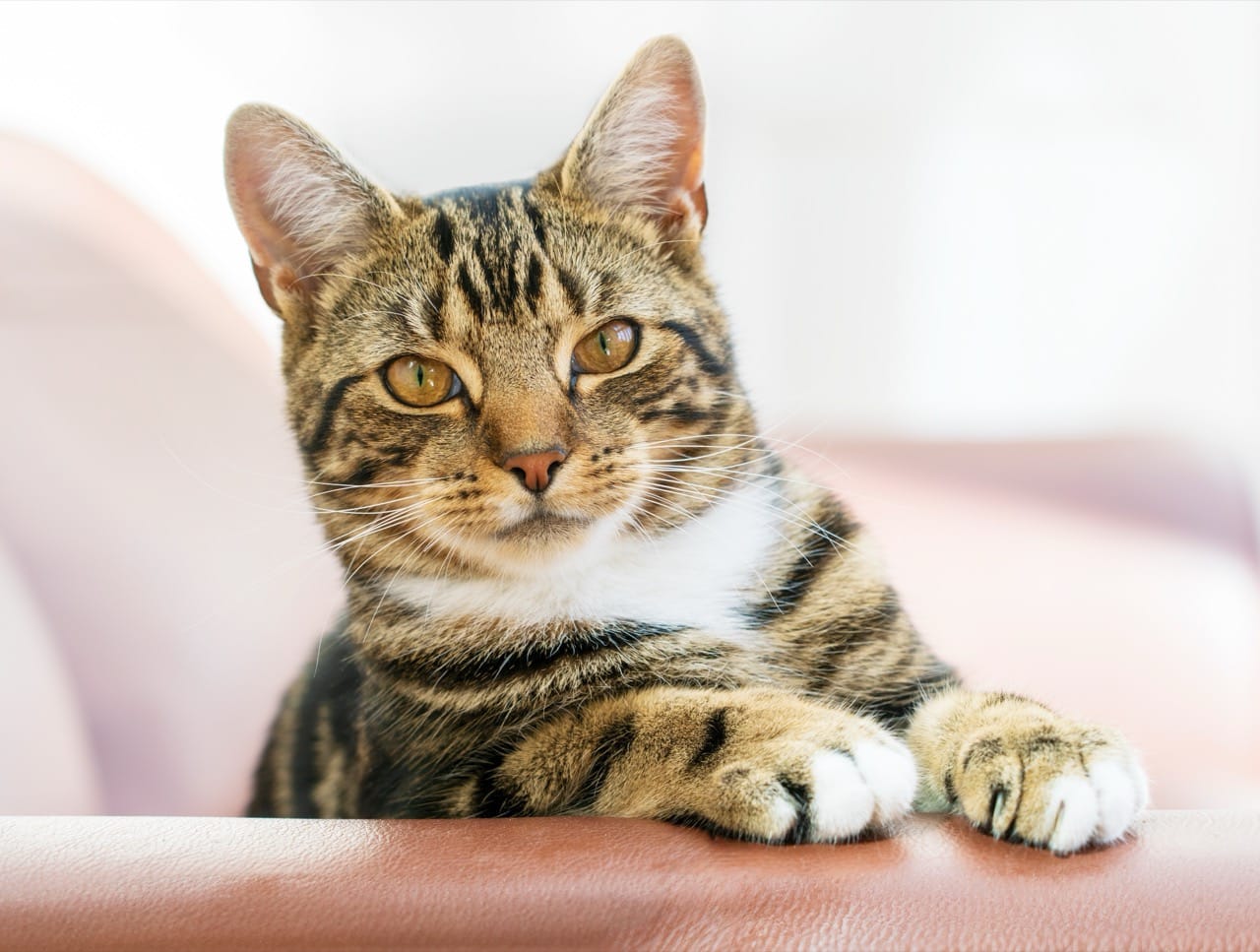
Introduction Cats can look like they are doing nothing, yet they are constantly gathering information. A still posture, a sudden sprint down the hallway, or an unblinking stare from across the room often has a reason rooted in biology. Understanding how cats sense, communicate, and move makes everyday behavior feel less mysterious and far more impressive.
Senses and athletic instincts A cat’s body is built for short bursts of precision. Flexible spines, powerful hind legs, and quick reflexes help them accelerate fast and change direction mid run. Their claws are retractable, staying sharp for climbing and gripping. Balance is aided by the tail, which acts like a counterweight during tight turns and leaps.
Cats also experience the world through finely tuned senses. Their hearing extends into higher frequencies than humans, helping them detect tiny movements. Their eyes are adapted for low light, thanks to a reflective layer behind the retina that boosts night vision. That glow you see in headlights is this reflective surface at work. Their sense of smell is strong, and they have an extra tool called the vomeronasal organ, used to analyze certain chemical signals. When a cat opens its mouth slightly and looks as if it is grimacing, it may be performing the flehmen response to pull scents toward this organ.
Communication and social signals Cats communicate with more than meows. Adult cats rarely meow at each other; many meows are aimed at humans, and some cats learn which sounds get results. Purring is often linked to contentment, but cats also purr when stressed, injured, or seeking comfort, suggesting it can be a self soothing signal.
Body language matters. Slow blinking is commonly interpreted as a friendly, relaxed signal. Upright tail posture can indicate confidence or greeting, while a puffed tail signals fear or high arousal. Ears angled sideways or flattened back often mean the cat is uncomfortable. Whiskers add another layer: they help cats judge openings and detect air currents, and whiskers pushed forward can indicate curiosity or hunting focus.
History, breeds, and famous traits Cats likely began living alongside humans as agriculture spread and stored grain attracted rodents. Cats that tolerated people gained reliable food sources, and over time this relationship deepened. Unlike dogs, cats were not shaped primarily for work roles early on, which helps explain their independent reputation.
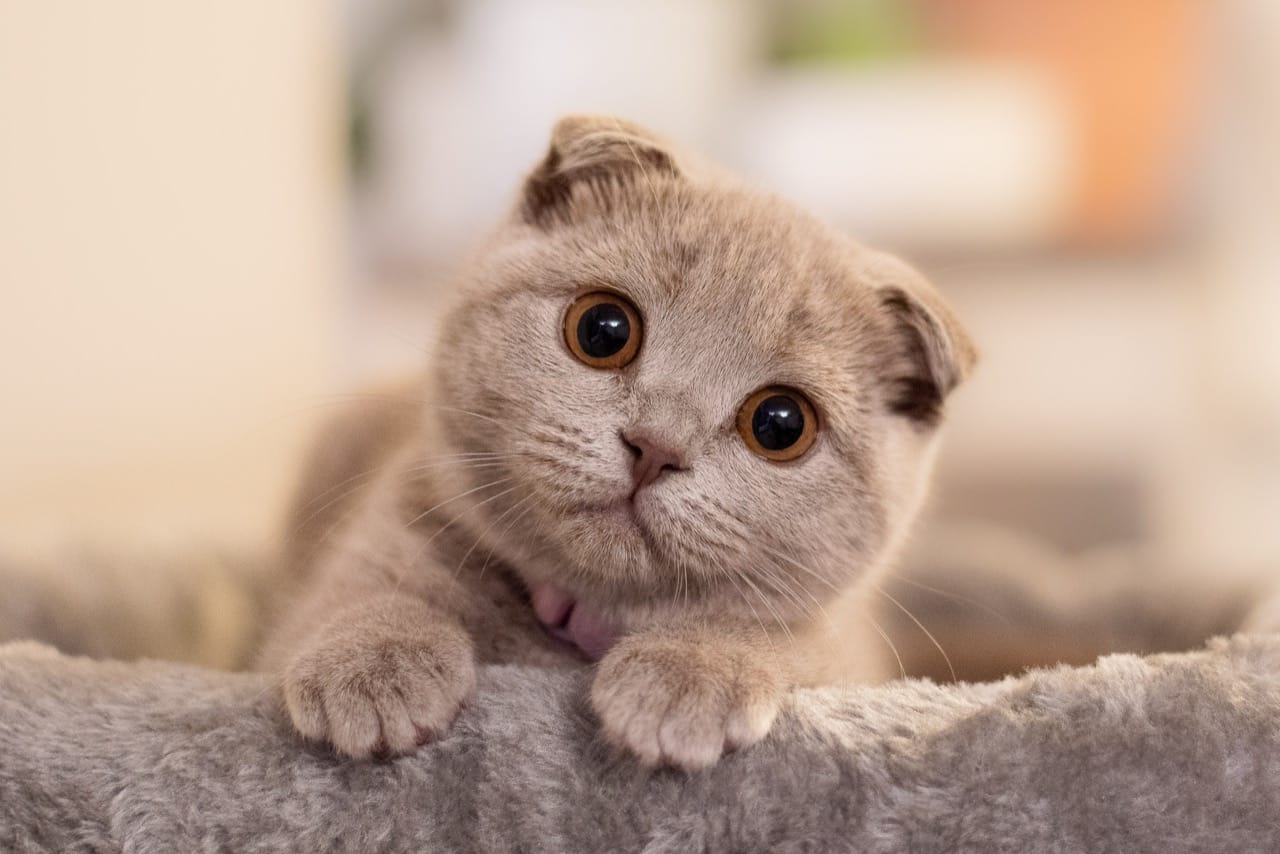
Breed diversity adds to the trivia fun. Siamese cats are known for vocal personalities and color points caused by temperature sensitive pigment. Maine Coons are large, often sociable cats with tufted ears and thick coats. Sphynx cats are not truly hairless; they usually have a soft down and need warmth and skin care. Scottish Folds have distinctive folded ears caused by a cartilage mutation, which has also raised health concerns in some lines.
Myths worth clearing up Milk is not a perfect treat for cats. Many adult cats are lactose intolerant, and dairy can cause stomach upset. Another myth is that cats always land on their feet. They do have a righting reflex that helps them rotate during a fall, but height, surface, and health all affect outcomes, and injuries still happen. Finally, cats are not spiteful in the human sense. Litter box issues, scratching, or sudden aggression usually have triggers such as stress, pain, or environmental changes.
Conclusion Cats are not just cute companions; they are finely engineered hunters with sophisticated senses and subtle social signals. The more you learn, the easier it becomes to read their behavior and appreciate their quirks. Whether you are preparing for a trivia gauntlet or simply trying to understand the stare from across the room, a little cat knowledge turns mystery into fascination.
.jpg)