Purrfectly Curious Cat Facts Quiz









Quiz Complete!
Reading the World Through a Cat’s Eyes: Science, Senses, and Surprising Behaviors
Introduction Cats often look effortless as they nap, pounce, or stare into space, but their everyday habits are shaped by a mix of biology, evolution, and a long history with humans. Understanding how cats sense the world and why they behave the way they do can make their quirks feel less mysterious and a lot more fascinating.
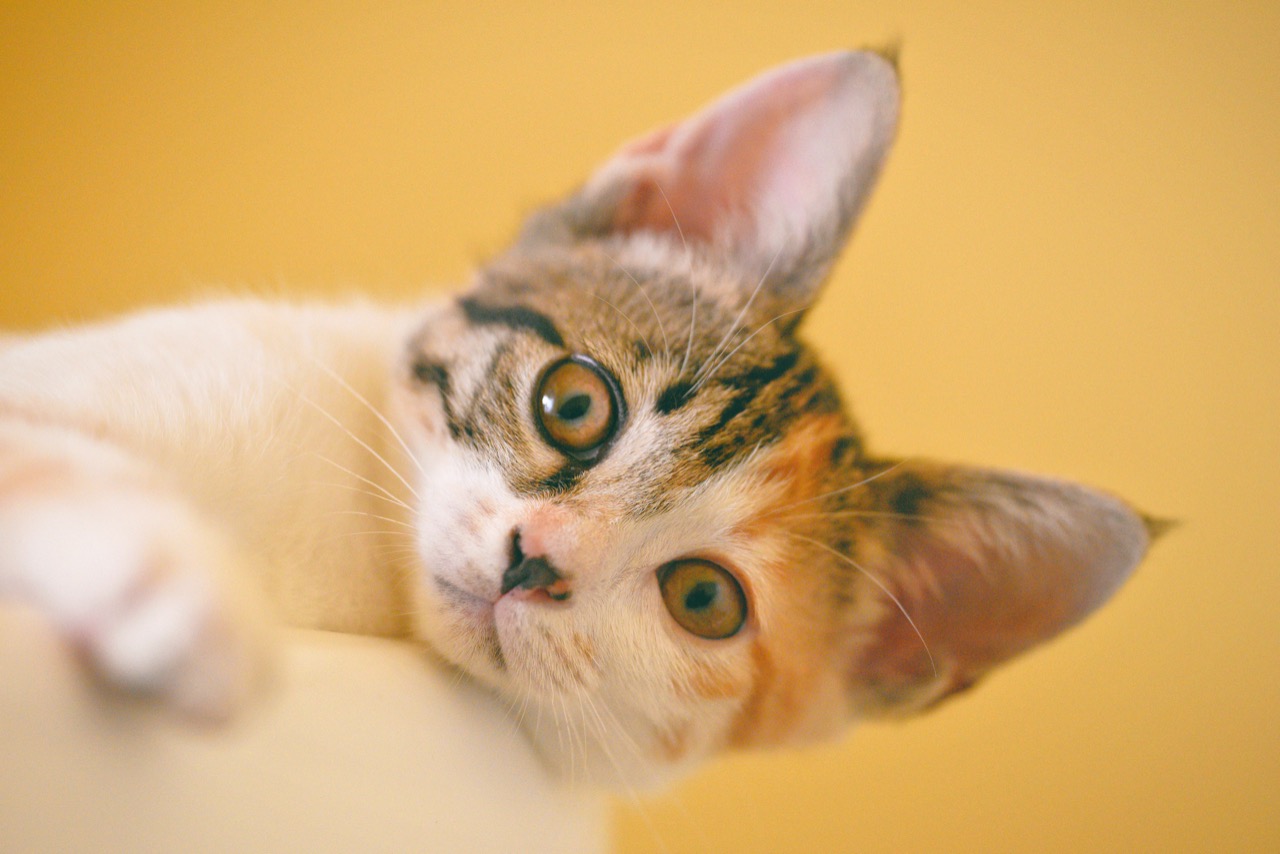
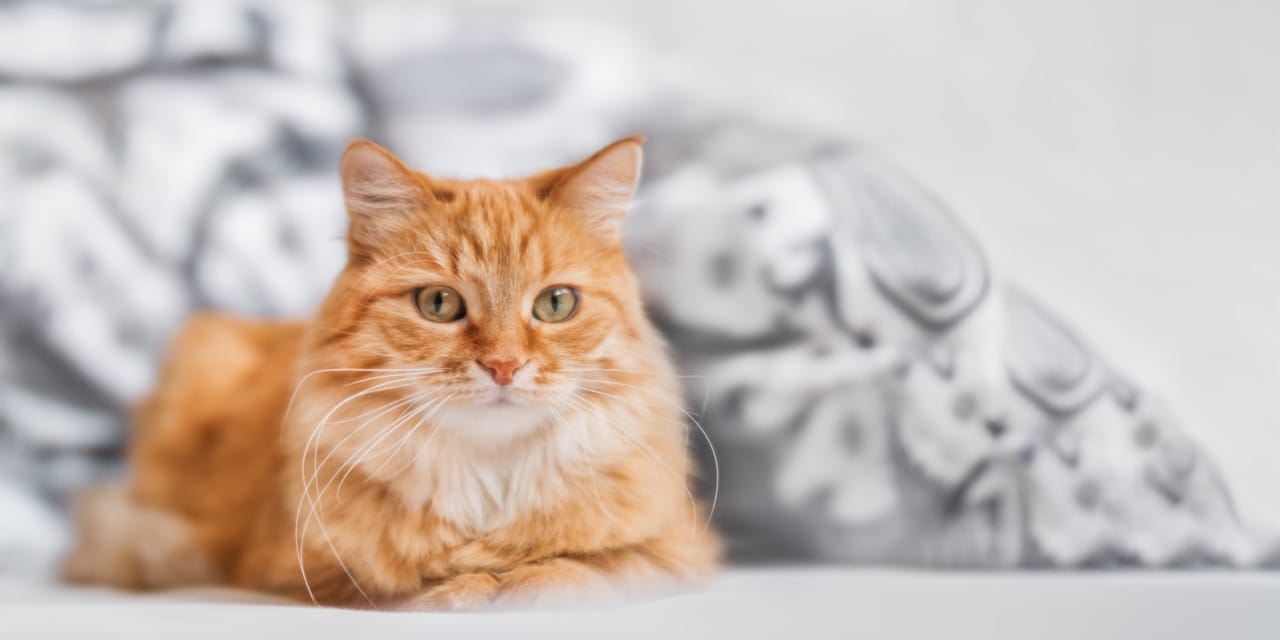
Senses built for a crepuscular hunter Cats are most active at dawn and dusk, and their senses match that schedule. Their eyes are designed to gather light efficiently, helping them see well in dim conditions. A reflective layer behind the retina boosts available light, which is why cat eyes can seem to glow in the dark. Their vision is especially tuned to detect motion, an advantage when tracking quick prey. While cats do not see the world in black and white, their color perception is more limited than a human’s, making contrast and movement more important than vivid hues.
Hearing is another cat superpower. Cats can detect very high-pitched sounds, including the ultrasonic squeaks made by rodents. Their ears also rotate to pinpoint where a sound is coming from, which is why they can seem to track an invisible target across the room. Whiskers, or vibrissae, are not just decoration. They are sensitive touch receptors that help cats judge gaps, sense air currents, and navigate in the dark. Whisker stress is even a real consideration for some cats, which is why wide, shallow food bowls can be more comfortable.
Anatomy that explains the antics The classic cat jump is not magic, it is physics and muscle. Powerful hind legs provide explosive takeoff, and a flexible spine helps with both speed and midair control. The righting reflex, which helps a falling cat orient feet-down, is a rapid coordination of eyes, inner ear balance, and spinal flexibility. It is impressive, but it is not a guarantee of safety. Falls can still cause serious injury.
Claws are another key tool. Cats have retractable claws that stay sharp because they are protected when not in use. Scratching is normal behavior that removes old claw sheaths, stretches muscles, and leaves scent and visual marks. That is why scratching posts are more successful than punishment.
Communication: more than meows Adult cats rarely meow at each other. Many meows are directed at humans, and cats often learn which sounds get results. Purring is commonly linked to contentment, but cats may also purr when stressed, injured, or seeking comfort. Body language matters: a tail held high often signals friendly confidence, slow blinking can indicate relaxation, and flattened ears can warn of fear or agitation. Even a belly-up pose is not always an invitation to pet; it can be a sign of trust, but many cats will defend that vulnerable area if touched.
Instincts shaped by domestication Domestic cats descended from wildcats that lived near early farming communities, where rodents were plentiful. Unlike many domesticated animals, cats largely chose proximity to humans, benefiting from food sources and shelter while keeping their hunting skills. That hunting drive remains strong even in well-fed pets. Play that looks like stalking, ambushing, and chasing is practice for real predation, which is why interactive toys can reduce boredom and problem behaviors.
Conclusion Cats may seem like small roommates with big personalities, but their behaviors make sense once you view them as specialized hunters adapted to living alongside people. From whiskers that map the air to meows tailored for human attention, each trait tells a story of evolution and partnership. The more you learn, the more that sleepy creature on the couch becomes a living bundle of clever design and ancient instincts.


.jpg)