Prowling Expert Knowledge Gauntlet







Quiz Complete!
Whiskerless Wonders: The Secret Science of Household Hunters
Introduction Cats can look like sleepy couch ornaments, yet they are built for stealth, speed, and sensory precision. Behind the calm stare is a finely tuned predator shaped by evolution and thousands of years living alongside people. Understanding how cats see, hear, groom, and communicate makes them even more fascinating, and it can also help owners respond to their needs more wisely.
Senses and anatomy built for the dark A cat’s night vision is famous, but it is not magical. Cats have large corneas and pupils that open wide, letting in more light than human eyes can. They also have a reflective layer behind the retina called the tapetum lucidum. When light passes through the retina, the tapetum bounces it back for a second chance to be detected, which is why a cat’s eyes can glow in headlights or a flashlight beam. The tradeoff is that cats see less detail and fewer colors than humans, but motion detection is excellent.
Hearing is another superpower. Cats can detect high frequency sounds that are beyond human hearing, which helps them locate tiny prey. Their outer ears can swivel independently to pinpoint sound sources, and subtle head tilts are often part of this auditory targeting.
Whiskers are not decoration. These stiff hairs, technically called vibrissae, are deeply rooted and connected to sensitive nerves. They help cats judge openings, detect air currents, and sense nearby movement, especially in low light. Even whiskers on the legs can assist in tracking prey during a pounce.
The tongue, the coat, and the mystery of purring A cat’s tongue feels like sandpaper because it is covered in backward facing, hooklike structures called papillae. These act like a built in comb, pulling loose fur and debris from the coat and spreading saliva that helps with cooling and cleanliness. The same design can strip meat from bones efficiently, a reminder that grooming tools also serve hunting biology.
Purring is one of the most debated cat behaviors. It is produced by rapid muscle movements around the larynx that modulate airflow during both inhaling and exhaling. Cats purr when content, but also when stressed, injured, or seeking comfort. Some researchers suggest purring may have a self soothing role, and the low frequency vibrations have been studied for potential links to tissue healing, though the science is still developing.
Body language and behavior clues Cats communicate constantly, just not always in ways humans expect. A tail held upright usually signals confidence or friendly intent, while a puffed tail indicates fear or arousal. Slow blinking is often a sign of relaxation and trust. Ears angled forward suggest interest; ears flattened sideways or back can mean anxiety, irritation, or defensive readiness. A kneading motion with the paws often traces back to kittenhood nursing behavior, but adult cats may knead when comfortable or when marking territory with scent glands in their feet.
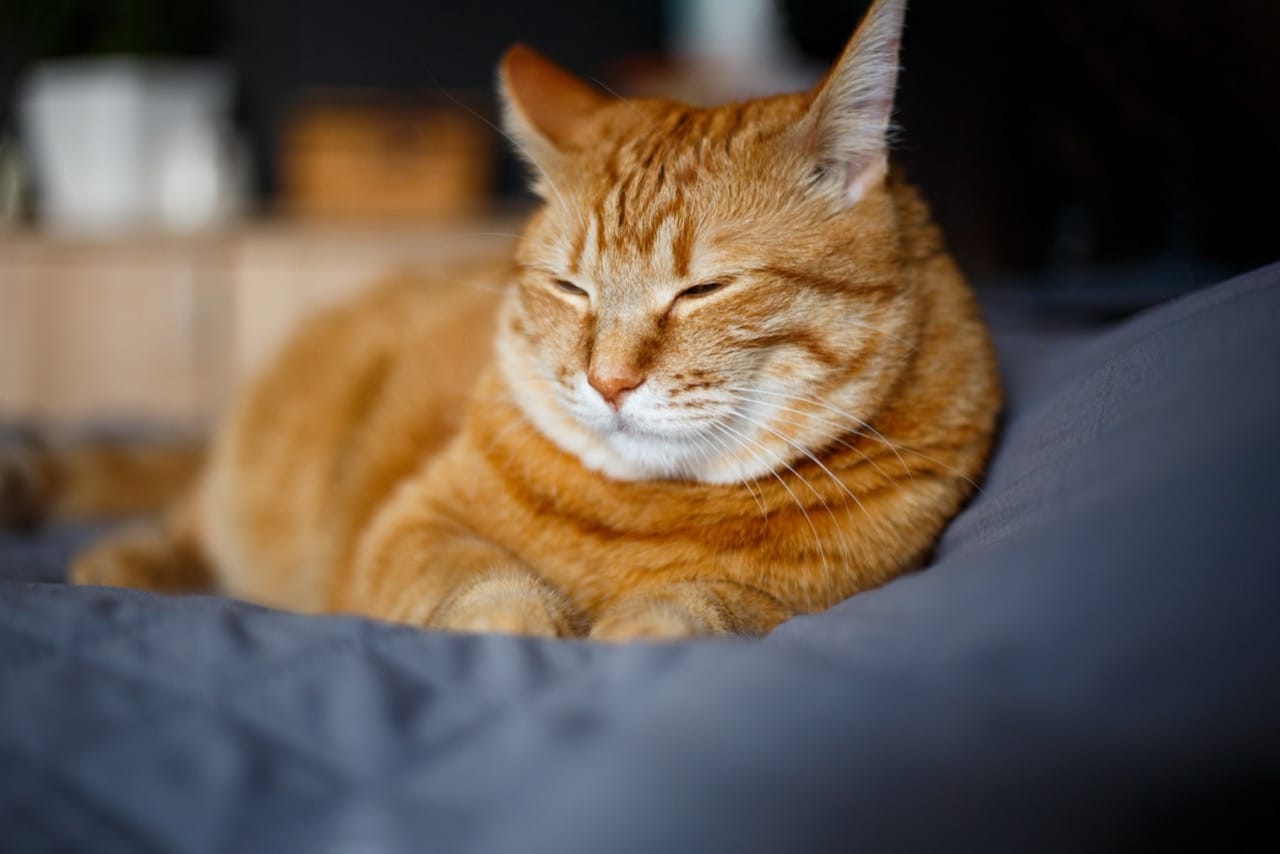
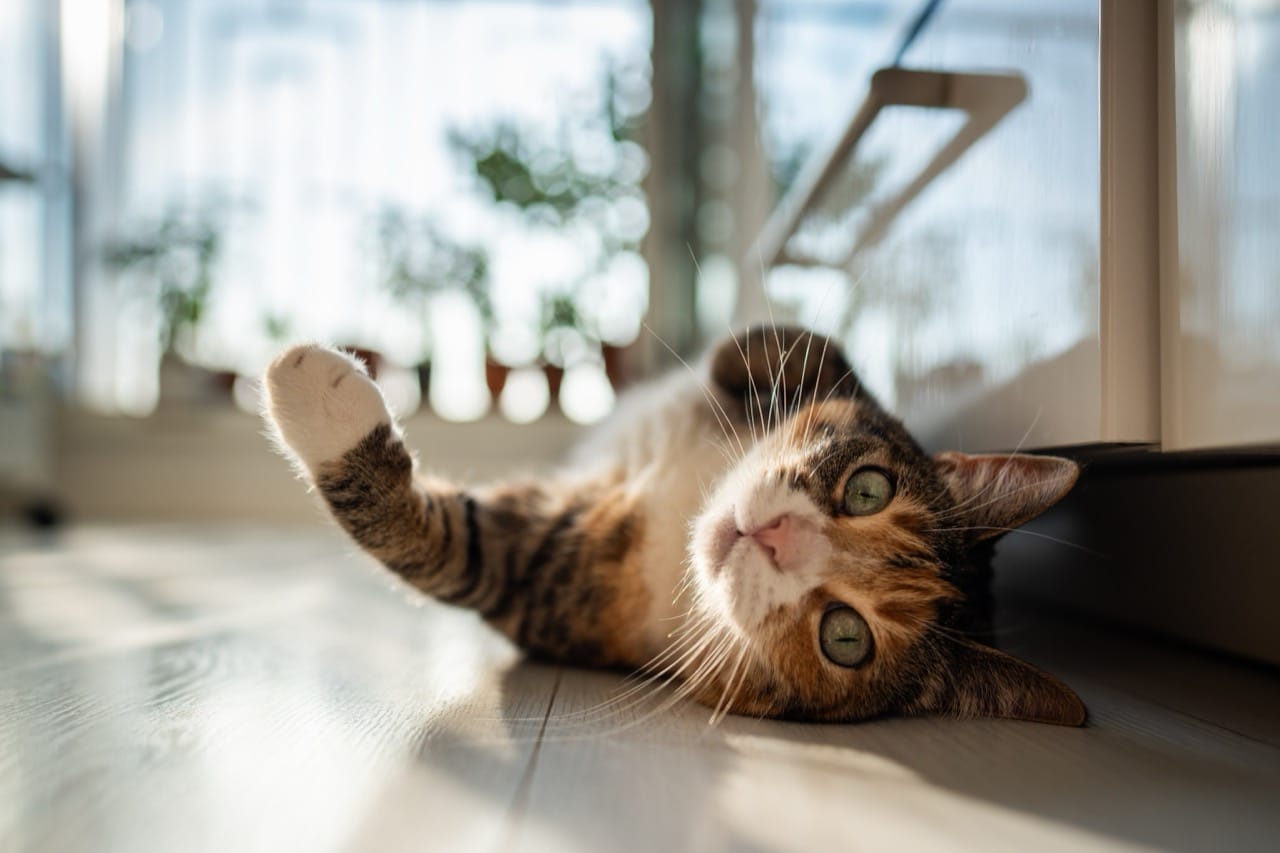
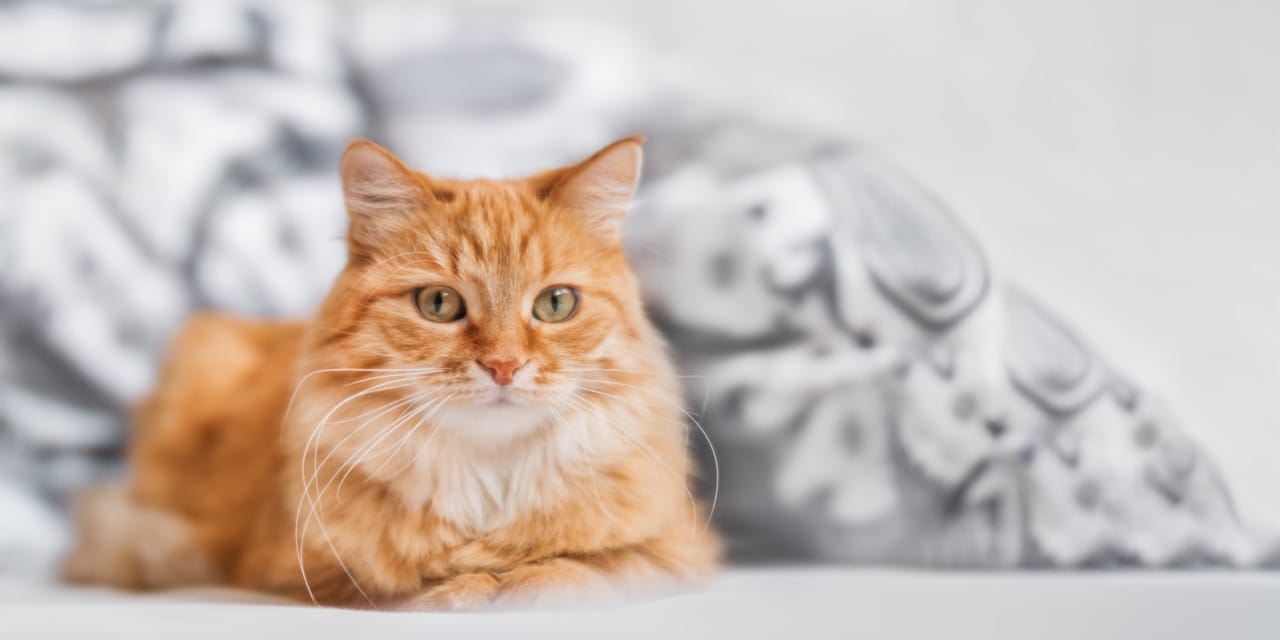
Genetics, breeds, and record breaking feats Coat color and pattern can reveal genetics at work. The gene behind the orange coat is sex linked, which is why orange cats are more often male and calico or tortoiseshell cats are usually female. Some breeds are known for distinctive traits: the Siamese pattern is linked to temperature sensitive pigment, producing darker points on cooler body areas. The Sphynx is not truly hairless but has very fine fuzz and requires skin care because oils are not absorbed by fur.
Cats are also athletic. Their flexible spines, powerful hind legs, and righting reflex support impressive jumps and rapid turns. While individual feats vary, the overall design explains why a bored indoor cat can suddenly sprint, leap, and stop with startling precision.
Conclusion Cats are more than cute companions. Their glowing eyes, whisker guidance, grooming tongue, and expressive body language are parts of an integrated survival system that still shows up in everyday life. The more you learn about how cats work, the more their quirks make sense, and the more rewarding it becomes to share a home with such an elegant, enigmatic hunter.
.jpg)