Midnight Library of Cats








Quiz Complete!
Midnight Library of Cats: A Curious Catalog of Feline Facts

Introduction Cats can seem like living riddles: affectionate one moment, distant the next, and always convinced they know something you do not. Yet many of their most mysterious habits make perfect sense once you look at the biology and history behind them. From whiskers that act like sensors to paws designed for silent movement, cats are built for a very specific lifestyle, even when that lifestyle takes place mostly on a sofa.
Stealth bodies and super senses A cat’s hunting toolkit starts with the senses. Their hearing is especially sharp at high frequencies, which helps them detect the tiny squeaks and rustles made by small prey. Their eyes are tuned for low light, not total darkness. Cats have a reflective layer behind the retina that bounces light back through the eye, improving night vision and creating that familiar glow. They do not see the world in black and white, but their color vision is more limited than a human’s, and motion matters more to them than fine detail.
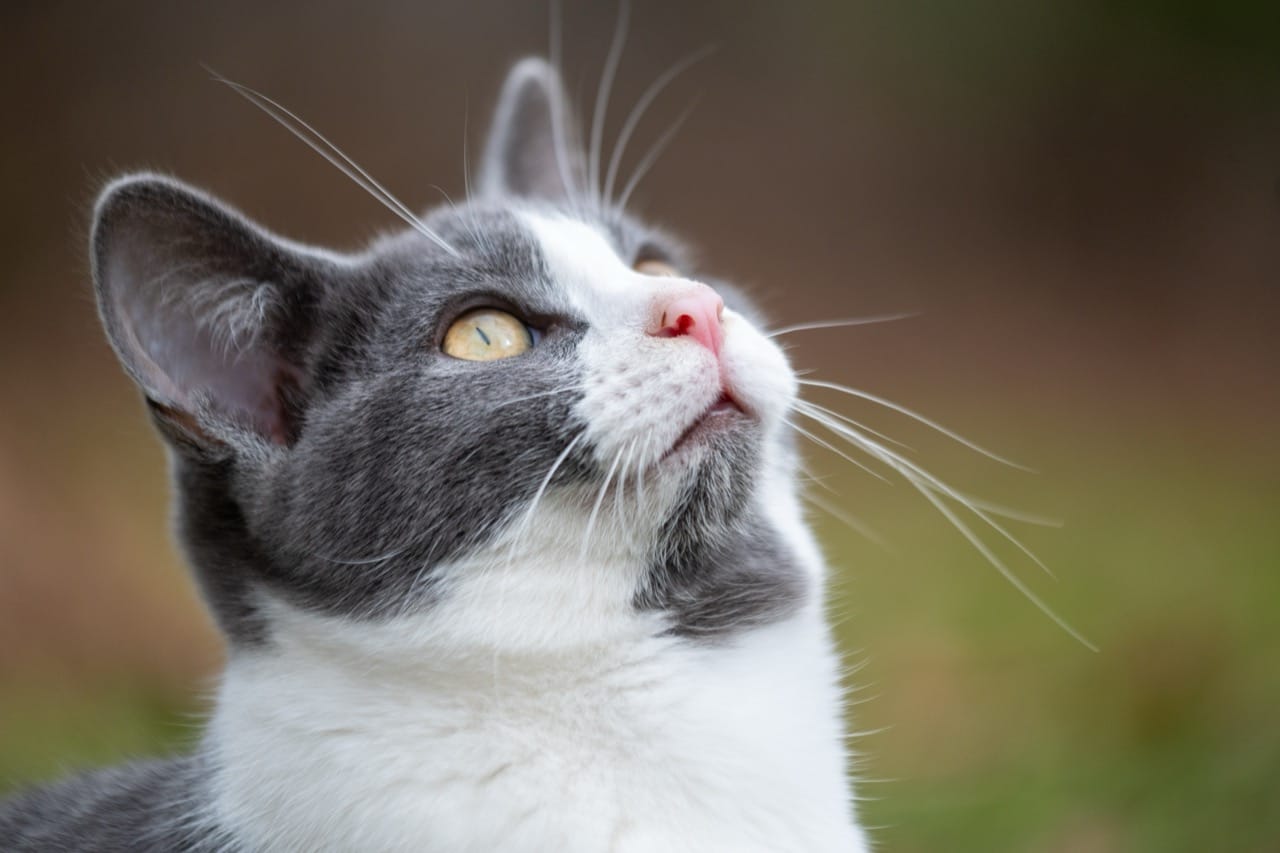
Whiskers are not just decorative. These stiff hairs, called vibrissae, are rooted deep and connected to sensitive nerves. They help cats judge openings, detect changes in airflow, and gather information about nearby objects, especially in dim conditions. This is why whisker stress can be real: when a narrow bowl presses on them repeatedly, some cats become reluctant to eat.
Paws, claws, and quiet travel Cats walk on their toes, a style called digitigrade locomotion. It gives them a springy stride and helps with sudden bursts of speed. Their paw pads muffle sound, and their claws retract to stay sharp and silent until needed. When a cat kneads a blanket, it may look like a quirky dance, but it traces back to kittenhood, when kneading helps stimulate milk flow. Many adult cats keep the habit because it is soothing and linked to comfort.
Communication, myths, and odd behaviors Purring is often treated as a sign of happiness, but it is more complicated. Cats commonly purr when content, yet some also purr when stressed, injured, or seeking reassurance. It can function as a self-calming signal as well as a way to communicate with humans.
The classic myth that cats always land on their feet has a grain of truth. Cats have a righting reflex that helps them orient their bodies during a fall, but it is not a guarantee of safety. Falls from certain heights can still cause serious injury, and indoor cats need secure windows and balconies.
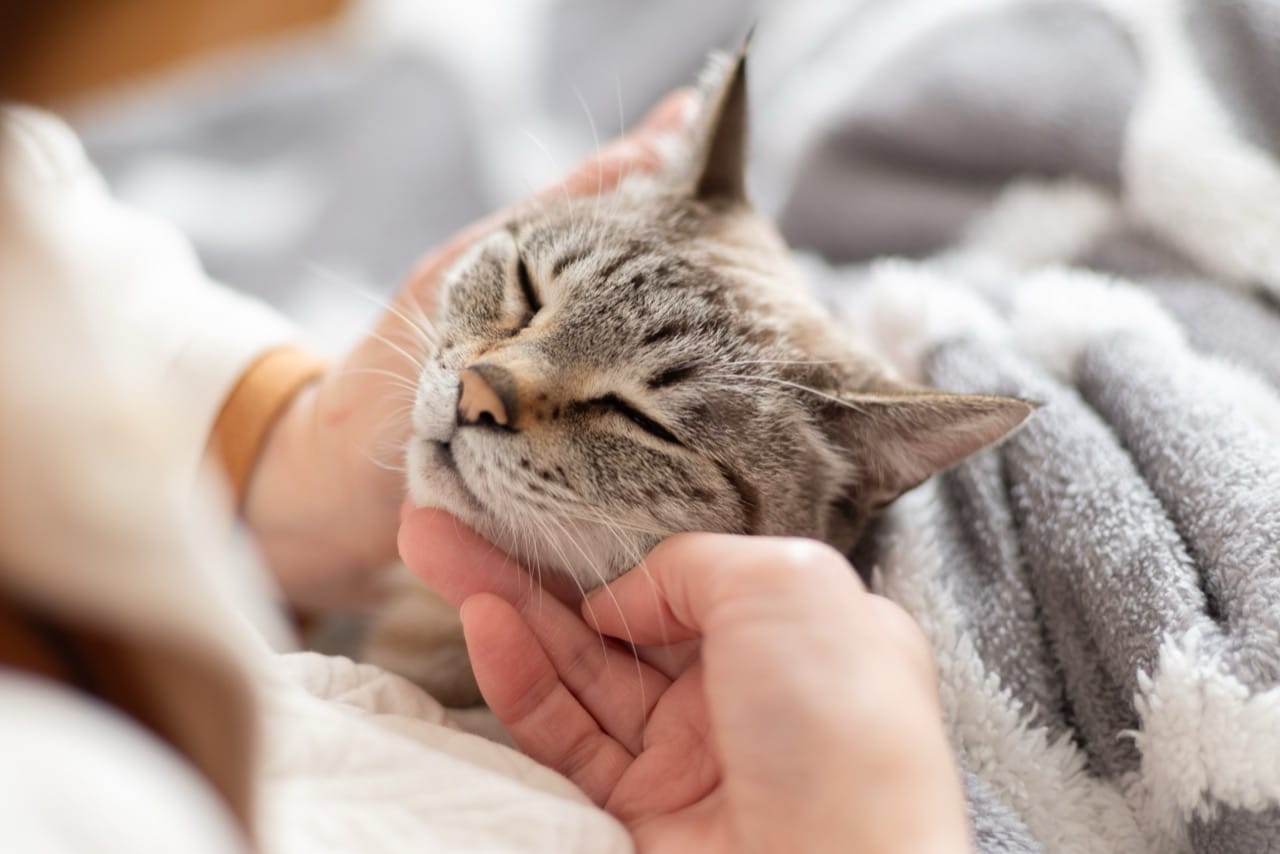
Another confusing behavior is the slow blink. Many cats use it as a friendly signal, a relaxed way of saying they feel safe. If you slow blink back, some cats will respond in kind. And when cats rub their cheeks on furniture or your legs, they are not just being affectionate. They are also marking territory with scent glands, creating a familiar map of home.
How cats and humans teamed up Cats were not domesticated in the same way as dogs. Instead of being actively bred for work early on, cats likely moved in near human settlements because grain stores attracted rodents. The cats that tolerated people gained a steady food supply, and humans benefited from pest control. Over time, this mutual arrangement shaped the house cat, which still retains many traits of a small, solitary hunter.
Conclusion Cats may feel like they come with footnotes and missing chapters, but the story becomes clearer once you connect their behaviors to survival skills and history. Their senses are tuned for stealth, their bodies are built for quiet movement, and their signals are subtle but meaningful. Knowing these details does not remove the mystery, it simply makes the midnight library of cats even more enjoyable to explore.

.jpg)