Lap Cat Knowledge Sprint
.jpg)






Quiz Complete!
Whiskerless Wonders: A Quick Tour of Cat Biology, Behavior, and Culture
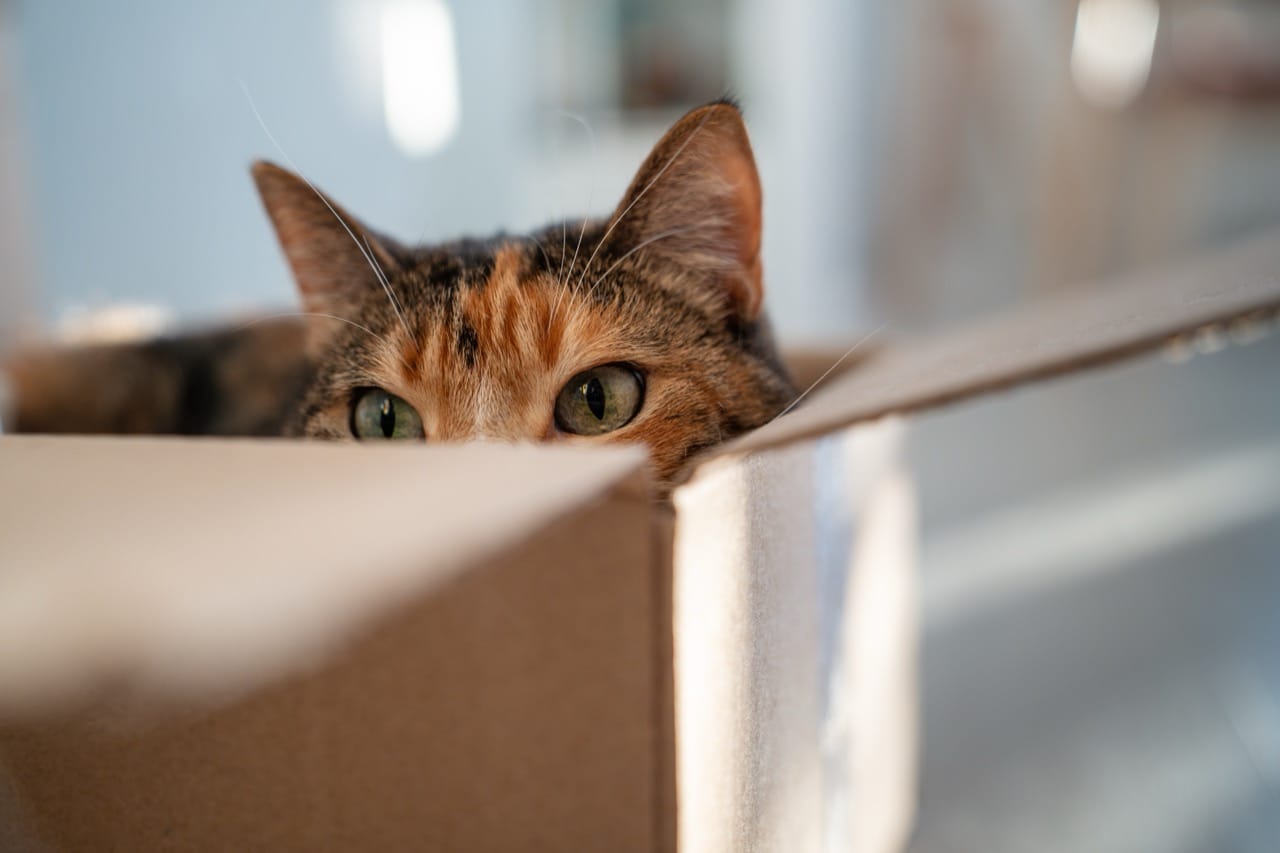
Introduction Cats have a talent for acting both mysterious and completely at home on your favorite chair. One minute they are silent shadows gliding through the hallway, the next they are tearing around the room in a burst of energy often called midnight zoomies. This mix of elegance and chaos is part of why cat trivia is so fun: the answers sit at the intersection of biology, history, and the everyday oddities of living with a small predator that also enjoys naps.
Biology built for stealth A cat’s body is tuned for hunting. Their flexible spine and powerful hind legs help them spring upward and accelerate quickly. Their whiskers, or vibrissae, are not just cute decorations but sensitive tools that detect air movement and help judge whether they can fit through a space. That is why trimming whiskers is a bad idea: it can disrupt their spatial awareness and confidence. Some cats, however, are naturally whiskerless or have very short whiskers due to genetics, injury, or certain coat types. Hairless breeds like the Sphynx may still have whiskers, but they are often sparse or broken. Even without prominent whiskers, cats rely on other senses, especially hearing and smell, to navigate.
Coats, breeds, and surprising textures Cat coats can be curly, plush, nearly nonexistent, or patterned in ways that look painted on. The Devon Rex and Cornish Rex are known for their wavy coats and large ears, while the Sphynx is famous for its lack of fur and warm, suede like skin. Hairlessness does not mean low maintenance, though. Without fur to absorb oils, some hairless cats need regular bathing and ear cleaning. Coat color trivia can be surprisingly scientific too. Many orange cats are male because the gene for orange coloring is carried on the X chromosome. Meanwhile, most calico and tortoiseshell cats are female for the same genetic reason.
Communication: tails, ears, and slow blinks Cats speak in a quiet language of posture. A tail held upright often signals friendly confidence, while a puffed tail can indicate fear or excitement. Ears angled forward show interest; ears pinned back can mean stress or irritation. One of the most charming signals is the slow blink. When a cat slowly closes and opens its eyes at you, it is often a sign of comfort and trust. Many people return the slow blink as a friendly gesture, and some cats respond in kind.
Sounds that work like magic Cats do not meow much at each other as adults; meowing is largely a cat to human behavior. Over time, many cats learn which sounds get results, from short chirps to dramatic yowls. Purring is usually linked to contentment, but cats may also purr when anxious or in pain, possibly as a soothing mechanism. Another fun fact: cats can be sensitive to high pitched sounds, and some respond strongly to certain frequencies. This is one reason toys that crinkle, squeak, or mimic prey noises can be so irresistible.
From temples to pop culture Cats have shared human spaces for thousands of years. In ancient Egypt, they were associated with protection and were linked to the goddess Bastet. Their role as pest controllers helped them spread through trade routes, eventually becoming fixtures in homes, ships, and barns. Today, cats rule the internet as much as they rule living rooms, starring in memes, animated films, and celebrity pet accounts. Pop culture often exaggerates their aloofness, but many cats are social, form strong bonds, and develop routines that look a lot like loyalty.
Conclusion Whether your trivia questions focus on genetics, body language, history, or the strange power of a well timed meow, cats offer endless conversation starters. They are small athletes, subtle communicators, and long time human companions with a flair for drama. The more you learn, the more their habits make sense, even when they sprint through the house at midnight as if they have urgent business in another dimension.



.jpg)