How Well Do You Know Cats










Quiz Complete!
Cats: Familiar Companions, Quiet Mysteries

Introduction Cats can feel like the most ordinary household presence and the strangest creature in the room at the same time. They nap in sunbeams, demand dinner with confidence, and then suddenly freeze, ears swiveling, as if they are listening to a sound no human can detect. Learning a bit of real cat science and history turns those everyday moments into clues about how cats are built, how they communicate, and why they behave the way they do.
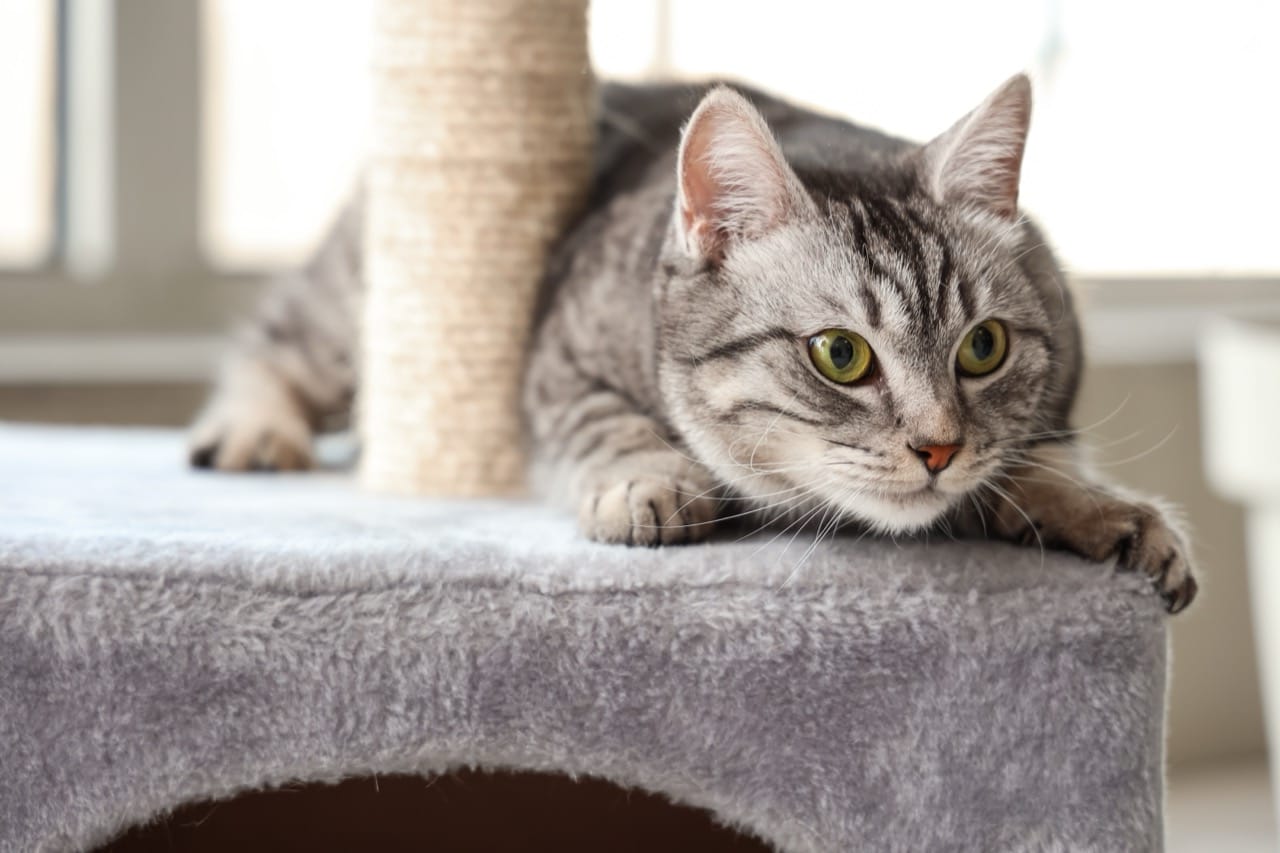
Anatomy built for stealth A cat’s body is designed for efficient hunting. Their flexible spine and loose shoulder blades help them lengthen their stride and squeeze through tight spaces. Whiskers are not just decoration; they are sensitive touch sensors rooted deep in the skin, helping cats judge openings and detect subtle air currents. The eyes are also specialized. Cats see well in low light thanks to a reflective layer behind the retina, which is why their eyes can shine at night. They do not see in total darkness, but they need far less light than humans. Their hearing is even more impressive: cats can detect high pitched sounds made by small prey, and they can rotate their ears to pinpoint where a noise is coming from.
Behavior that makes sense in context Many classic cat behaviors are normal once you view them through a survival lens. Scratching is a way to maintain claws, stretch muscles, and leave visual and scent signals. Kneading, the rhythmic pushing of paws, is often linked to kittenhood, when kittens knead to stimulate milk flow, and many adults keep the habit when relaxed. The famous sudden zoomies can be a burst of energy, a response to pent up stimulation, or a playful rehearsal of hunting moves.
Communication beyond the meow Cats use a layered communication system. Posture and tail position can signal confidence, caution, or irritation. Slow blinking is often a sign of comfort and trust, and many people respond with a slow blink of their own. Purring usually indicates contentment, but cats also purr when stressed or in pain, possibly as a self soothing mechanism. Meowing is especially interesting: adult cats rarely meow at each other, but many develop a rich meow vocabulary for humans, shaping sounds that reliably get attention.
Domestication and the cat human partnership Cats likely began their path to domestication by living near early farming communities, where stored grain attracted rodents and rodents attracted wildcats. Over time, cats that tolerated people gained a steady food source, and humans benefited from pest control. Unlike many domesticated animals, cats retained a strong streak of independence, which helps explain why training and social behavior can look different from dogs. Even so, many cats form deep attachments and can recognize familiar voices, routines, and caregivers.
Famous oddities and real world myths Some common beliefs deserve a second look. Most cats do not love cow’s milk; many adult cats are lactose intolerant, so milk can cause stomach upset. Catnip affects many cats but not all, and sensitivity is partly genetic. Another misconception is that cats are aloof by nature. Many cats are social when their environment feels safe, and they often show affection in subtle ways, like head bunting, following you from room to room, or sleeping nearby.
Conclusion Cats are not random or magical, even when they seem that way. Their bodies are tuned for stealth, their behaviors are shaped by both hunting instincts and home life, and their communication is richer than it first appears. The more you learn, the more those everyday moments become understandable and even funnier. A good cat quiz does the same thing: it rewards what you already know while revealing the surprising facts hiding behind the whiskers.




.jpg)