How Sharp Is Your Cat Knowledge

Quiz Complete!
Nine Lives, Ten Questions, One Cat Brain: A Quick Tour of Feline Know How
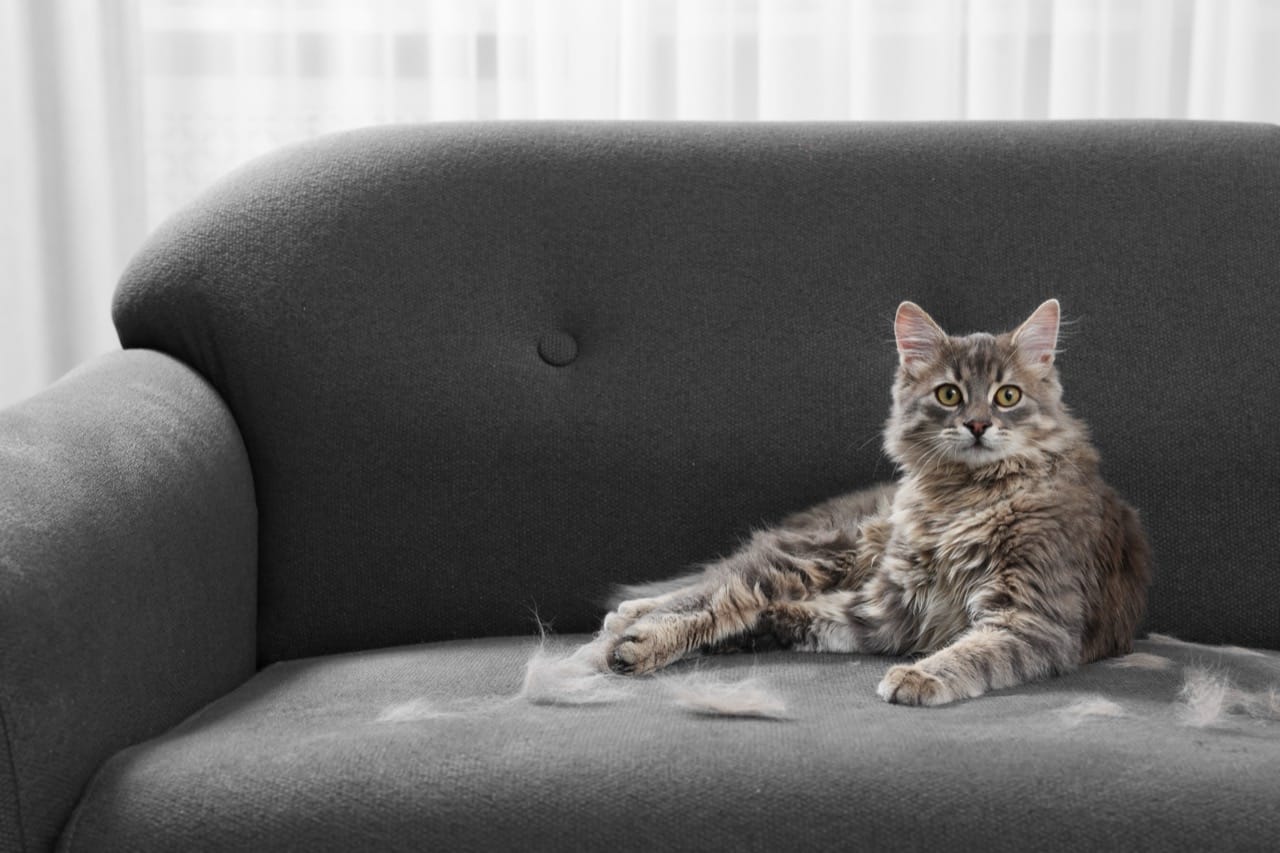
Introduction Cats can look like they are doing nothing, but their bodies and brains are always collecting information and making decisions. A slow blink, a twitching tail, or a sudden sprint across the room can all be part of a complex system built for hunting, communicating, and staying safe. If you have ever wondered what is really happening behind those calm eyes, a little cat science makes everyday behavior more interesting.
Bodies built for quiet athleticism A cat’s skeleton and muscles are designed for short bursts of power. Their flexible spine helps them lengthen their stride and twist midair, which is part of why they often land on their feet. Their collarbone is not attached the same way ours is, allowing the shoulders to slip through tight spaces. Whiskers are not just cute decorations. They are sensitive touch sensors that help a cat judge openings and track air movement near prey. Even the tongue is specialized, covered in tiny backward facing spines that act like a comb for grooming and help pull meat from bones.
Senses that favor the hunter Cats rely heavily on hearing and vision tuned for low light. Their ears can rotate to pinpoint sounds, and they can detect higher pitched noises than humans, which helps them locate small animals. At night, their eyes seem to glow because of a reflective layer behind the retina called the tapetum lucidum. It bounces light back through the retina, improving dim light vision, though it can reduce sharpness compared to daylight vision. Smell also matters more than many people realize. Cats use a special organ in the roof of the mouth, the vomeronasal organ, to process chemical signals. That open mouth expression sometimes called the flehmen response is a way of pulling scents into this system.
Communication: blinks, tails, and scent messages Cats communicate with a mix of body language, vocal sounds, and scent. A relaxed cat often holds the tail up like a friendly flag, while a puffed tail signals fear or high arousal. Slow blinking is widely seen as a sign of comfort and trust. Vocalizations vary: meows are used more with humans than with other cats, and many adult cats reserve most meowing for people. Scent is their quiet social network. Rubbing cheeks on furniture or your legs deposits facial pheromones that can mark a space as familiar and safe.
The mystery of the purr Purring is often linked to happiness, but it can also happen during stress, pain, or recovery. Researchers generally agree that purring involves rapid muscle movements around the larynx that start and stop airflow, creating the familiar vibration. One intriguing idea is that the low frequency vibrations may have calming effects or even support healing, though cats also clearly purr for social bonding and to communicate needs.
Behavior, zoomies, and the indoor cat puzzle Cats are crepuscular, meaning many are most active at dawn and dusk. That timing matches when prey is often available in the wild, and it may explain evening bursts of energy. Play is not just entertainment. It is practice for hunting skills like stalking, pouncing, and grabbing. Scratching is another often misunderstood behavior. It helps maintain claws, stretches the back and shoulders, and leaves both visual marks and scent from glands in the paws.
A short note on cat history Domestic cats likely trace much of their story to wildcats that lived near early farming communities, where rodents were plentiful. Over time, cats that tolerated humans gained an advantage, leading to a relationship that was partly practical and partly affectionate. Unlike many domesticated animals, cats kept much of their independent hunting toolkit.
Conclusion Knowing a few facts about feline bodies, senses, and communication makes cats easier to understand and more fun to live with. The shine in their eyes, the meaning of a tail position, and the many reasons behind a purr all point to an animal that is both predator and companion. The next time your cat pauses to blink slowly or dashes down the hallway, you will have a better idea of what that cat brain might be doing.
.jpg)