How Much Do You Know About Cats










Quiz Complete!
Seeing the World Through a Cat’s Senses
Cats can seem familiar and mysterious at the same time. One minute they are asleep in a sunbeam, the next they are sprinting down the hallway as if chasing invisible prey. Learning a few basics about how cats are built, how they communicate, and what they need day to day makes their behavior feel less puzzling and a lot more impressive.
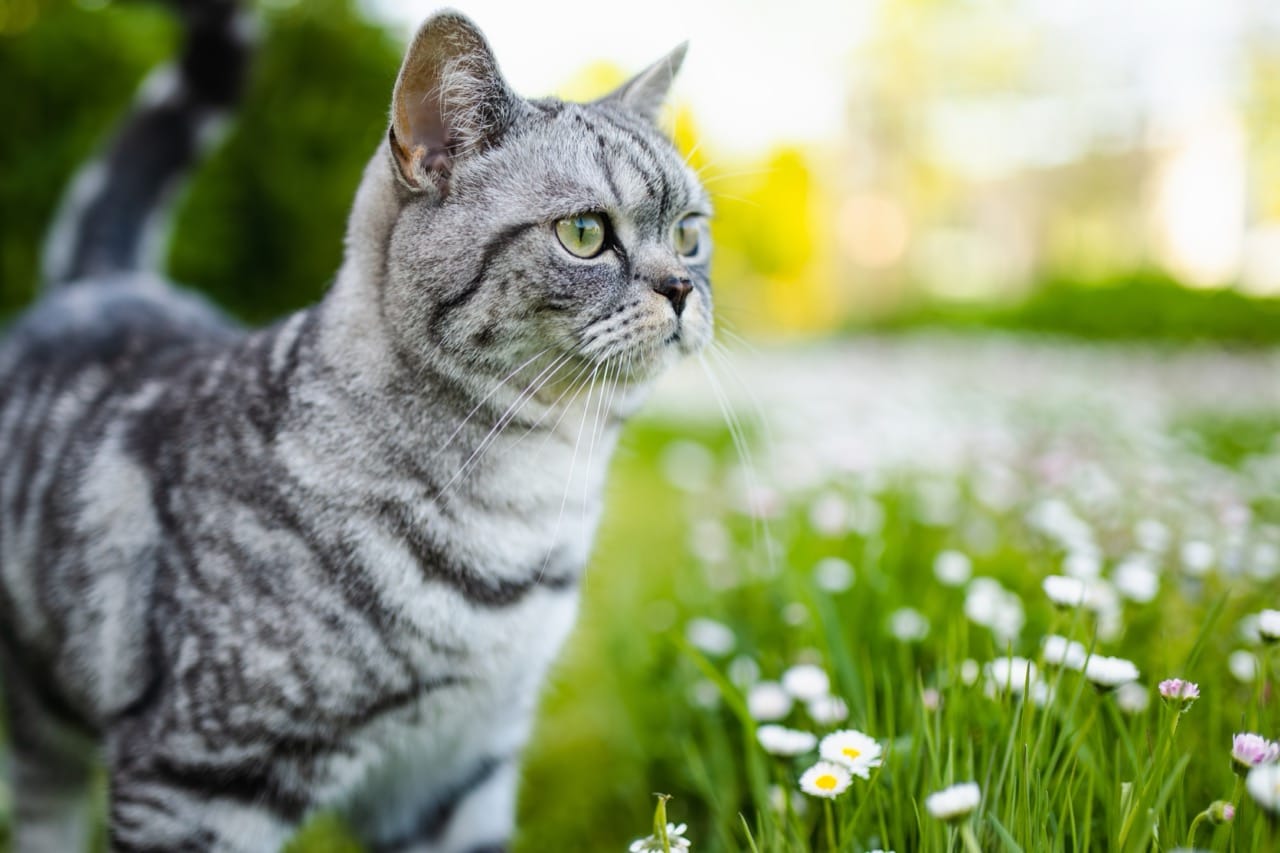
A cat’s body is designed for short bursts of athletic power. Their flexible spine and strong hind legs help them leap several times their body length, while retractable claws provide traction and control. Whiskers are not just decoration. They are specialized touch sensors that help a cat judge whether it can fit through a gap and detect subtle air currents, which is especially useful in low light. Cats also have a reflective layer behind the retina that boosts night vision, helping them see in dim conditions, though they still need some light to see.
Communication is a mix of sound, scent, and body language. Meows are mainly used between cats and people rather than between adult cats, and many cats learn to tailor their meows to get a response from their household. Purring is often associated with contentment, but it can also appear when a cat is stressed, in pain, or trying to self-soothe. Watch the whole cat: relaxed posture, slow blinking, and a gently upright tail often signal comfort, while flattened ears, a twitching tail, or a stiff body can mean the cat wants space.
Scent is a major part of a cat’s social world. Cats have scent glands on their cheeks, paws, and around the tail area. When a cat rubs its face on furniture or your legs, it is leaving a familiar scent marker, which can be a sign of comfort and belonging. Scratching is also partly about scent and territory, not just sharpening claws. Providing scratching posts in key areas can reduce unwanted scratching and gives cats an appropriate way to stretch and mark.
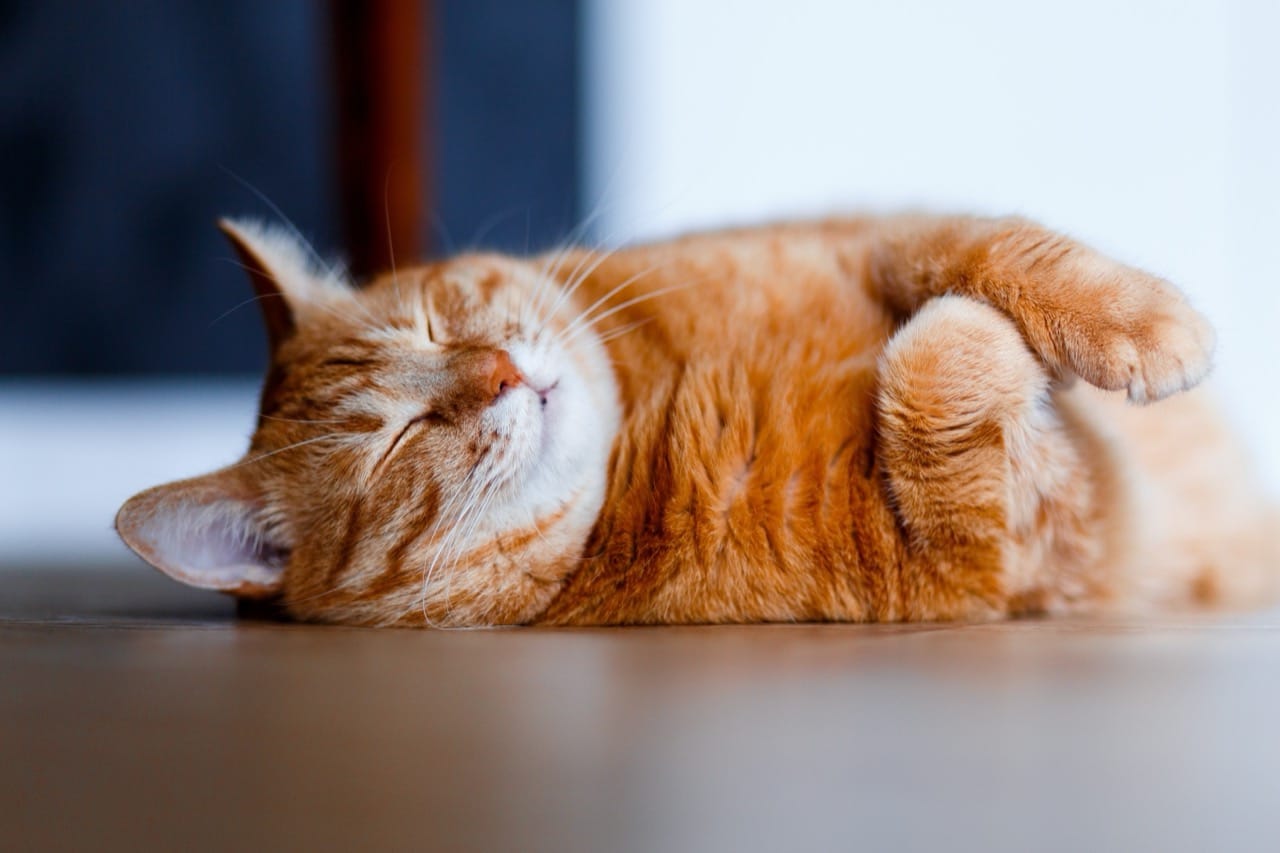
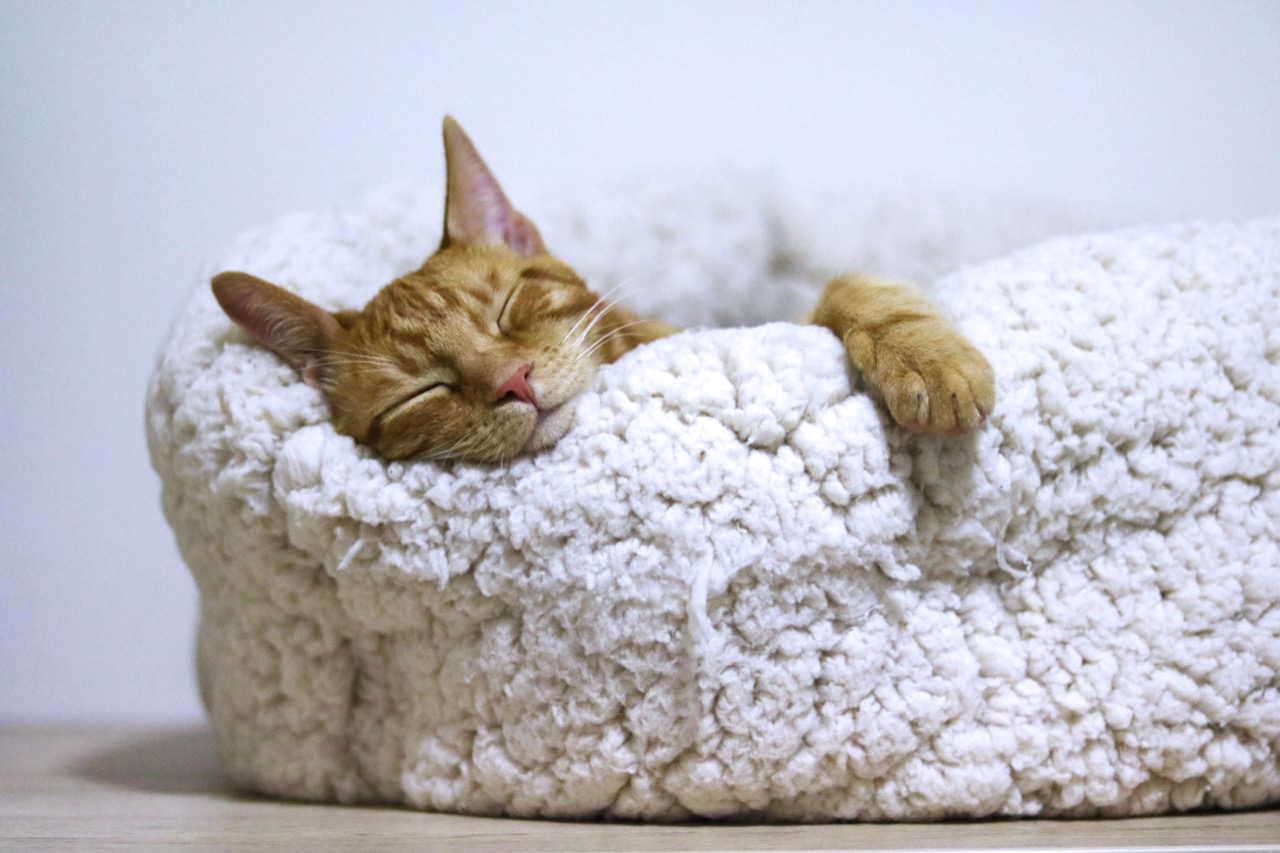
Sleep is another classic cat trait. Many cats sleep 12 to 16 hours a day, and some even more. This is normal for a predator that conserves energy for hunting. Cats are often most active at dawn and dusk, a pattern linked to when small prey animals are typically on the move. If your cat seems to get a burst of energy in the evening, interactive play with a wand toy or a short game of chase can help meet that instinctive need.
Breed history adds another layer of fascination. The Siamese is known for vocal, social behavior and a sleek build, while the Maine Coon is famous for its large size and tufted ears. Persian cats are recognized for their long coats and calm demeanor, though they may require regular grooming. Regardless of breed, basic care matters most: routine veterinary checkups, parasite prevention, clean water, and a balanced diet. Litter box habits are also a key health indicator. Sudden changes in urination, appetite, or activity can signal medical issues and should be checked promptly.
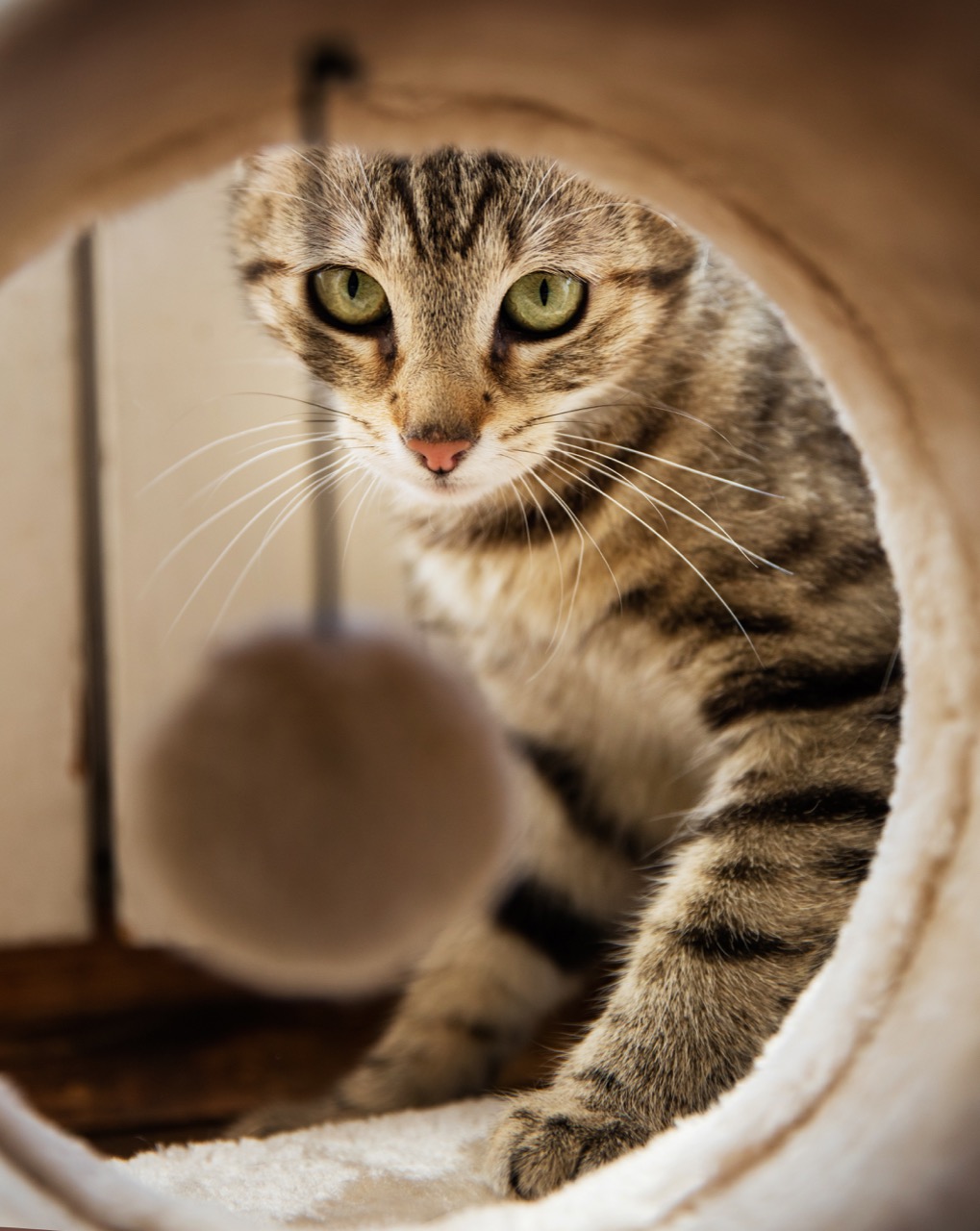
Cats thrive when their environment supports their instincts. Vertical spaces like cat trees provide security and exercise, and hiding spots help them feel safe. Puzzle feeders and short daily play sessions can reduce boredom and stress, especially for indoor cats.
Understanding cats means appreciating both their wild-rooted instincts and their unique relationship with humans. The more you notice their signals and needs, the more their surprising behaviors start to make sense. With a little knowledge, you can enjoy the quiz and also see everyday cat moments as small windows into a remarkable animal.




.jpg)