How Much Do You Know About Cats





Quiz Complete!
Cats: The Science, Signals, and Surprises Behind Our Whiskered Roommates
Introduction Cats often behave as if they own the home, and in many ways their biology and history explain why they seem so confident. Domestic cats combine the instincts of a small predator with the adaptability of a companion animal. Understanding how they communicate, move, and think can make living with them more enjoyable and can clear up common myths.
How cats became our neighbors Cats were not domesticated in the same way as dogs. Most evidence points to wildcats in the Near East that began living near early farming communities thousands of years ago. Grain stores attracted rodents, rodents attracted wildcats, and the friendliest cats gained safe shelter and steady hunting. Over time, cats that tolerated people became the ancestors of today’s domestic cats. This self selected path is one reason cats can seem independent: they were never bred solely for obedience.
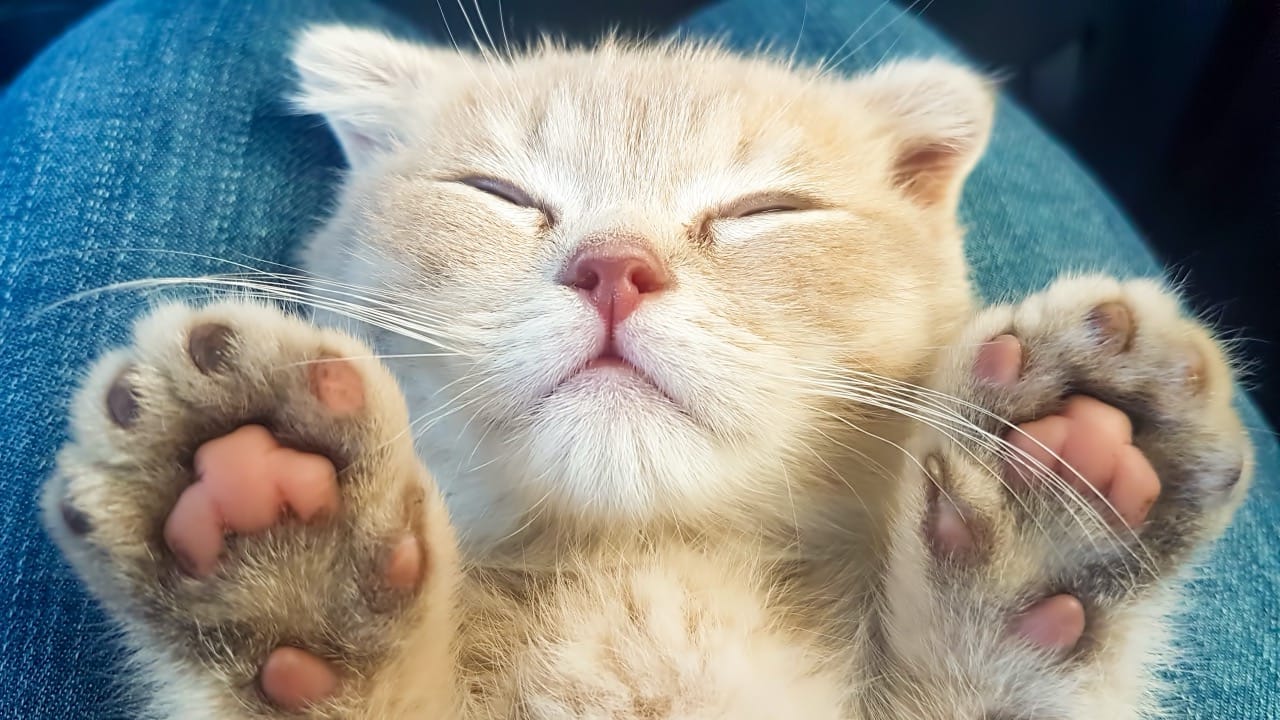
Built for stealth and agility A cat’s body is designed for sudden bursts of speed and precise movement. Their flexible spine and powerful back legs help them leap several times their own height. Retractable claws stay sharp because they are protected when not in use, and the paw pads help with quiet, controlled steps. Whiskers are not just decoration; they are sensitive touch sensors that help cats judge openings and detect nearby movement, especially in low light.
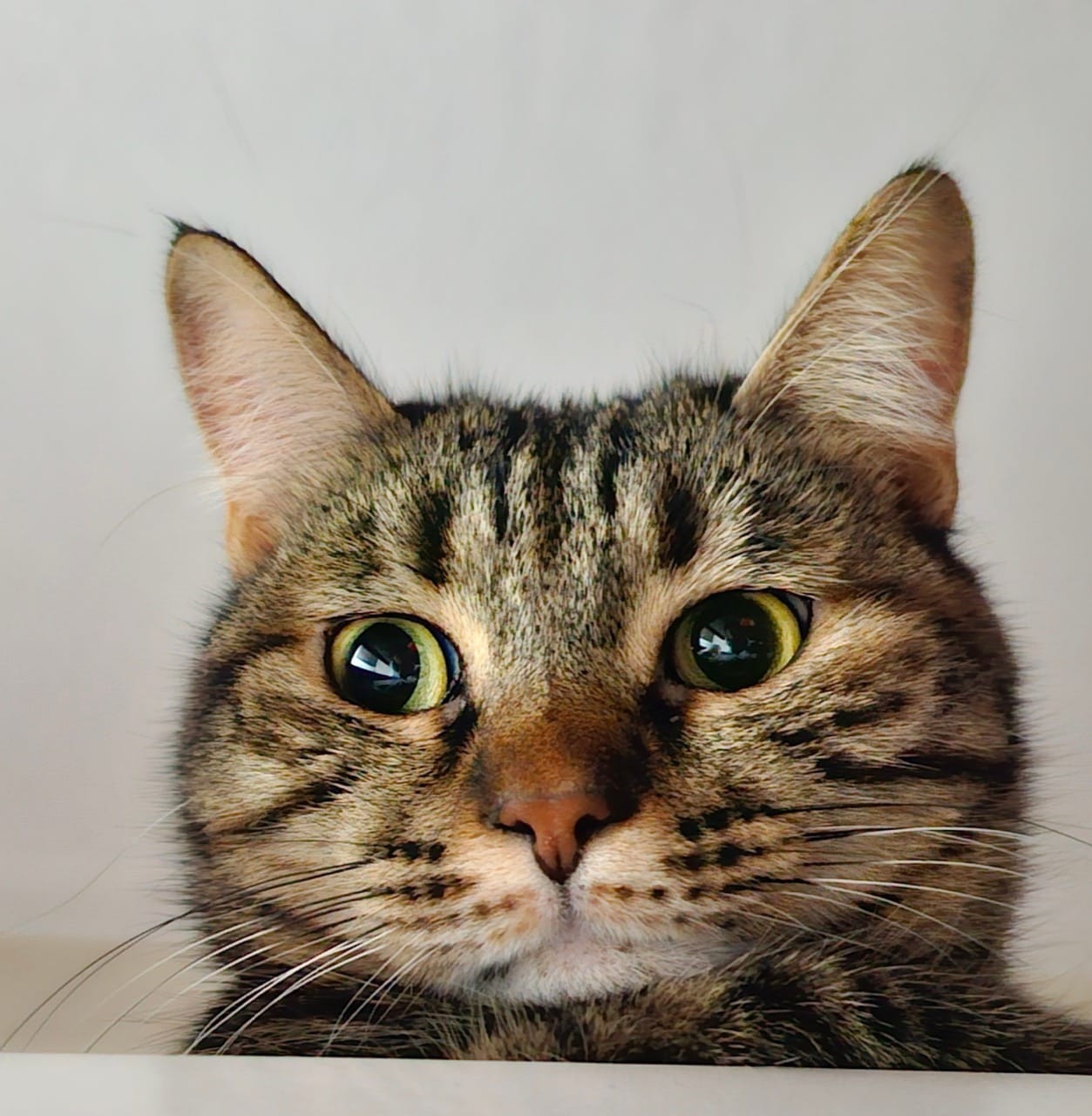
Senses and hunting instincts Cats see well in dim conditions thanks to a reflective layer in the eye that bounces light back through the retina. They also have excellent hearing, including higher frequencies that many prey animals produce. Even well fed cats may stalk toys, feet, or moving shadows because hunting behavior is deeply wired. Short play sessions that mimic the hunt, stalk, chase, pounce, and bite can reduce boredom and unwanted behavior.
The language of tails, ears, and purrs Cats communicate with subtle body signals. A tail held upright usually signals friendliness or confidence, while a puffed tail suggests fear or arousal. Ears forward indicate interest, but ears flattened to the side or back can be a warning. Slow blinking is often a relaxed, affiliative signal that many people return to build trust. Purring is commonly associated with contentment, but it can also occur when a cat is stressed, injured, or seeking comfort. Meowing is especially interesting: adult cats rarely meow at each other, but many learn to use meows to communicate with humans. Some breeds, such as Siamese, are famous for being particularly vocal.
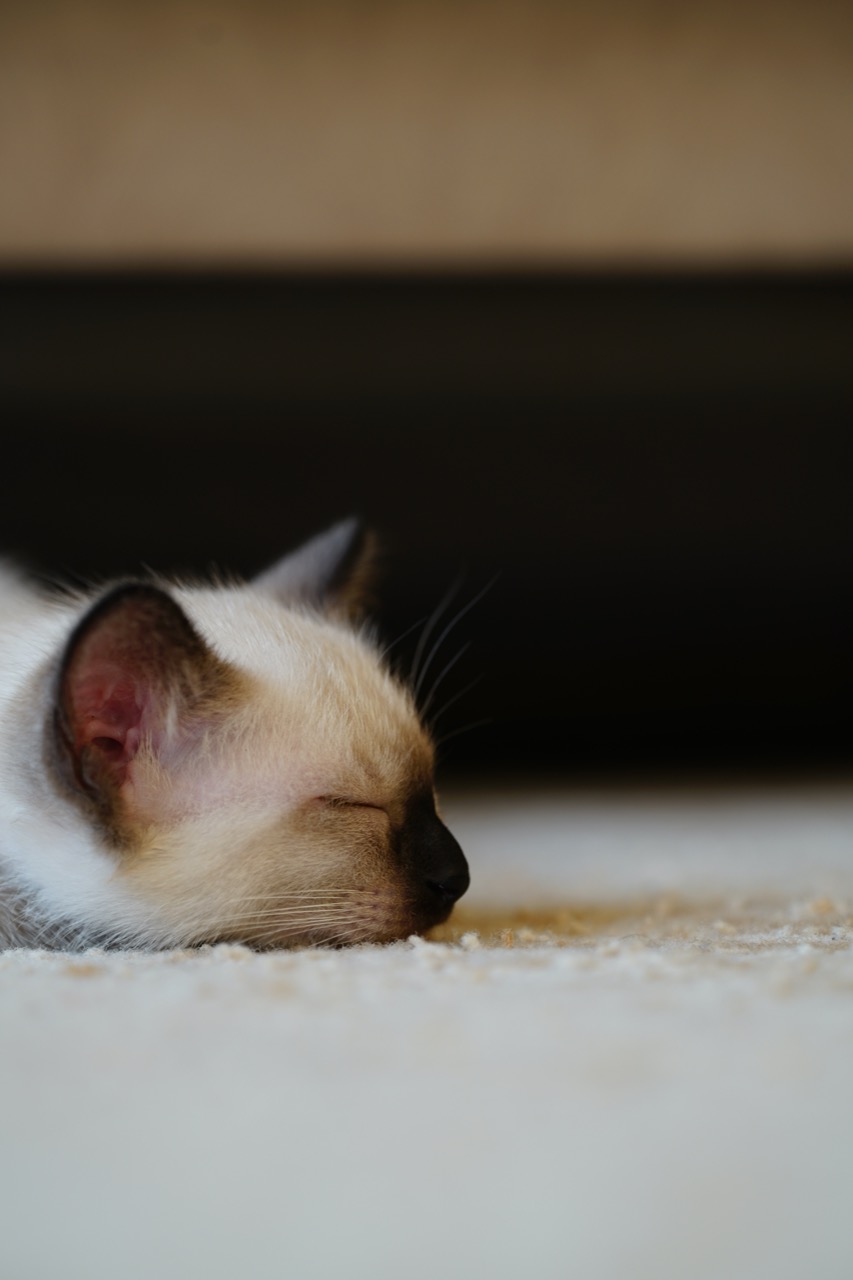
Famous breeds and what they really mean Many breed stories are tied to geography and selective breeding. Siamese cats trace back to Thailand and became popular internationally in the 19th century. Maine Coons are associated with North America and are known for their size and tufted ears, though their exact origin is wrapped in folklore. Persians were refined through breeding for their long coats and flat faces, which can require extra grooming and may be linked to breathing issues. Breed can influence appearance and some tendencies, but personality still varies widely, and mixed breed cats can be just as social, athletic, or calm.
Myths worth retiring One common myth is that cats always land on their feet. They have a righting reflex that helps them twist in midair, but falls can still cause serious injury, especially from low heights where they do not have time to rotate fully. Another myth is that cats are nocturnal. Most are crepuscular, meaning they are naturally most active at dawn and dusk. A final misconception is that cats are low maintenance. They may be independent, but they still need enrichment, veterinary care, dental attention, and safe spaces.
Conclusion Cats are a blend of ancient hunter and modern companion, shaped by a unique history of living alongside humans on their own terms. When you pay attention to their body language, provide outlets for natural instincts, and understand the facts behind the myths, their behavior becomes less mysterious and more meaningful. The better you know how cats work, the more you can appreciate why they act like they run the place, and how to live happily under their management.
.jpg)