How Much Do You Know About Cats










Quiz Complete!
Cats Up Close: The Science and Secrets Behind Feline Behavior

Introduction Cats may look like effortless lounge experts, but beneath the calm exterior is a finely tuned predator with a long history alongside humans. Understanding cats means looking at their biology, senses, and the subtle ways they communicate. The more you notice the small details, the more you realize that everyday cat behavior is packed with meaning.
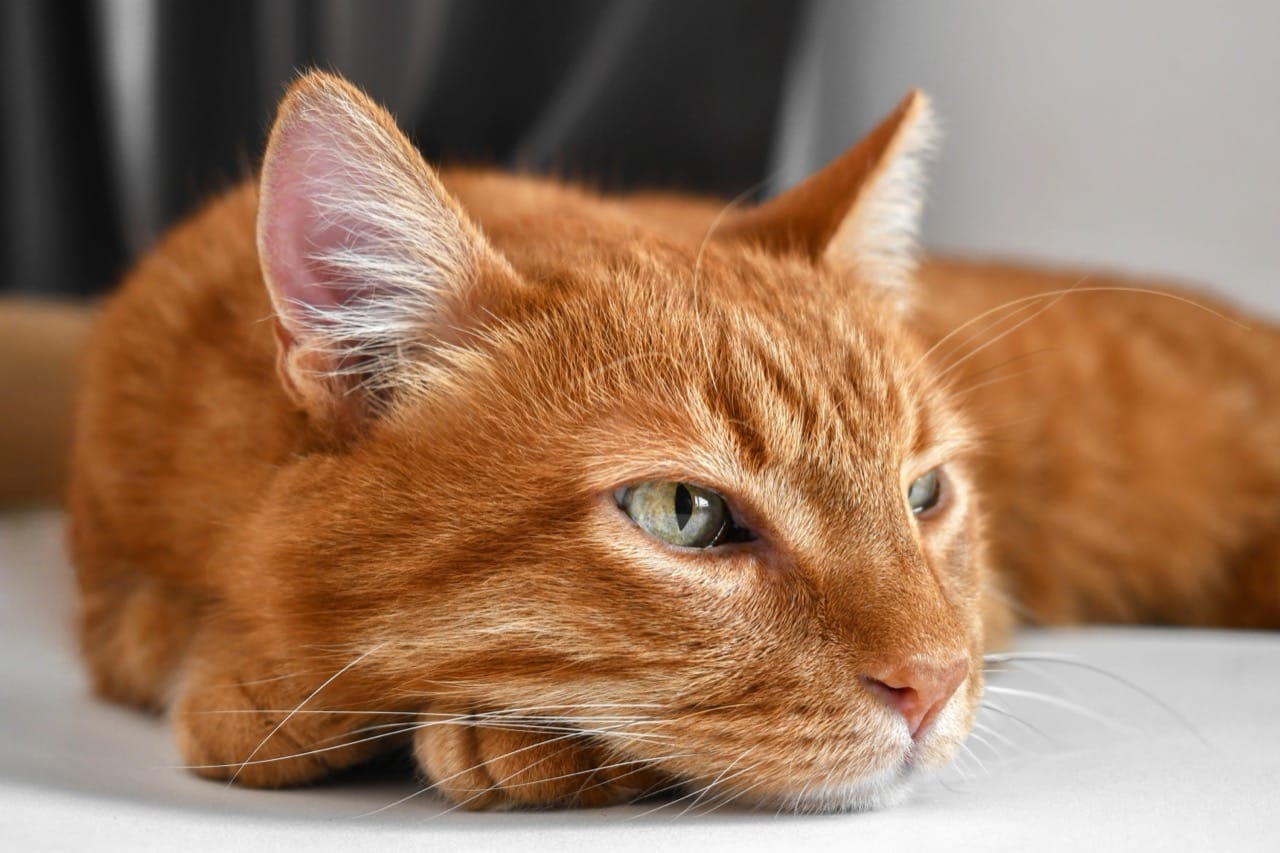
Whiskers, paws, and built in navigation A cat’s whiskers are not just decorative. They are specialized touch sensors that help cats judge spaces, detect air currents, and navigate in low light. Whiskers on the face are the most famous, but cats also have similar sensory hairs above the eyes and on the back of the front legs, which can help them track prey movements. Their paws add another layer of information gathering. Cats have scent glands between their toes, so scratching is not only about sharpening claws but also about leaving a scent message. Their retractable claws help keep the tips sharp, which is useful for climbing and for gripping prey.
Purring is more than happiness Many people assume purring always means a cat is content, and it often does. However, cats also purr when they are stressed, injured, or seeking comfort. One idea is that purring can be a self soothing behavior. Another fascinating possibility is that the low frequency vibrations may support healing in bones and tissues. While the science is still developing, it helps explain why some cats purr at the vet or during recovery. Paying attention to the whole situation, body posture, and facial expression matters more than relying on purring alone.
Super senses and the stealth advantage Cats are built for hunting at dawn and dusk. Their eyes are adapted for low light, and they are excellent at detecting motion, though they do not see fine detail as sharply as humans at a distance. Their hearing is especially impressive, allowing them to pick up high pitched sounds, including those made by small prey. A cat’s inner ear also supports remarkable balance, which is why they can move along narrow ledges with confidence. Smell plays a role too, and cats use a special organ in the roof of the mouth to analyze scents. That is why you may see a cat make a funny open mouthed face after sniffing something interesting.
How cats talk without saying a word Cats communicate with a mix of posture, tail position, ear angle, and slow blinks. A relaxed cat often holds its tail upright with a soft curve at the tip. A twitching tail can signal excitement or irritation, depending on the context. Ears rotated sideways or flattened back usually indicate discomfort or fear. Slow blinking is often a friendly signal, and many people gently slow blink back as a way to build trust. Vocalizations are flexible too. Adult cats rarely meow at each other; many reserve meowing for humans, likely because it works as a way to get attention.
Cats and people: a shared history Cats likely began living near humans because early farming communities attracted rodents, and cats that tolerated human presence had an advantage. Over time, cats became valued for pest control and companionship. Unlike many domesticated animals, cats still retain much of their independent hunting toolkit, which is why even well fed house cats may stalk toys or insects with intense focus.
Conclusion Cats are not mysterious because they are unknowable; they are mysterious because they communicate in a quiet, detailed language and carry powerful instincts beneath a cozy surface. Learning about whiskers, purring, senses, and social signals makes everyday cat moments more meaningful. The next time your cat slow blinks, chirps at a window, or scratches a post with determination, you will have a better idea of what is really going on.




.jpg)