Household Cat Habits Explained



Quiz Complete!
Inside the Household Cat Brain: Biology, Behavior, and the Secrets Behind the Whiskers
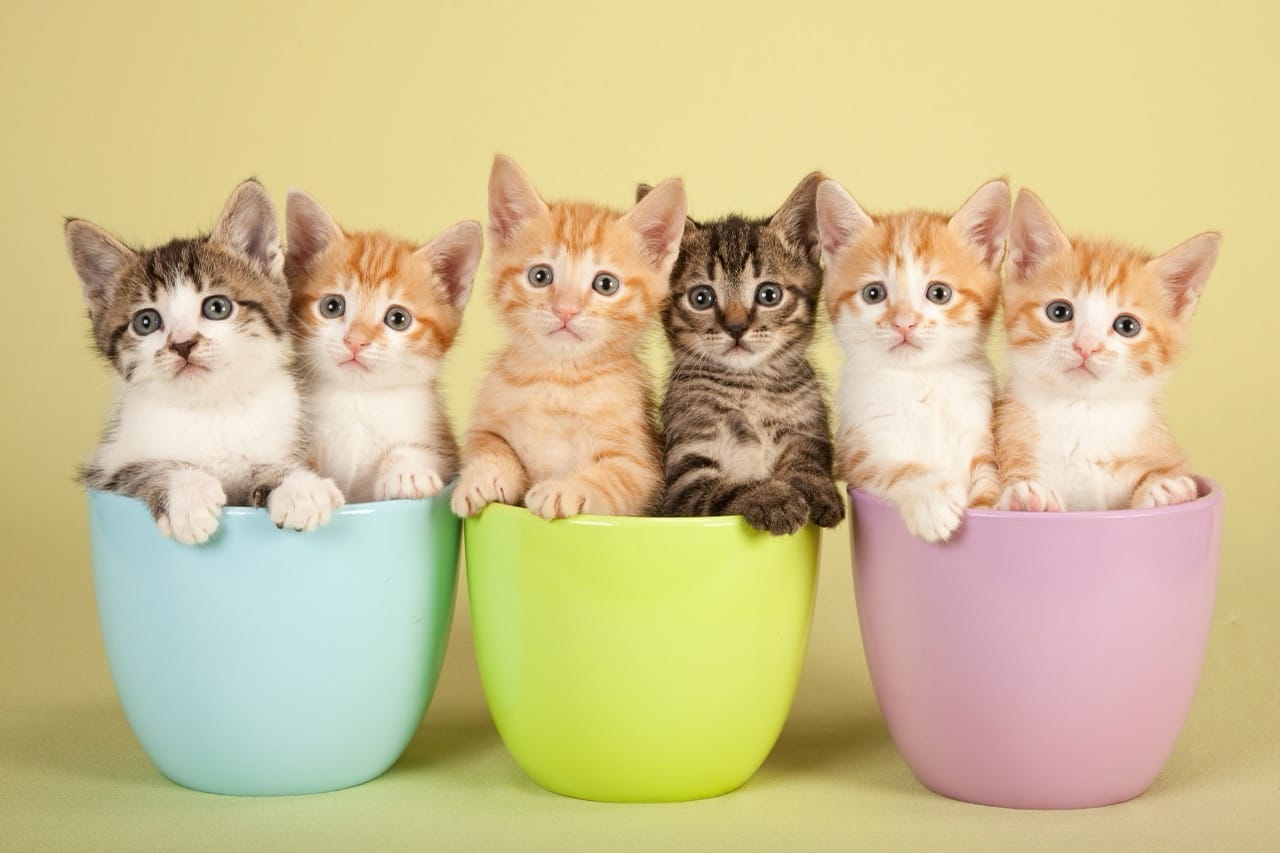
Introduction Cats have shared our homes for thousands of years, yet they still feel a little mysterious. One moment they are curled up like a warm loaf, and the next they are sprinting down the hallway as if chased by invisible ghosts. Understanding what is going on inside a cat’s body and mind makes those everyday moments more interesting and can even improve how we care for them. From their unusual senses to their quirky communication style, cats are built for a very specific kind of life.
How cats see and sense the world A cat’s eyes are designed for hunting in low light. They have a reflective layer behind the retina called the tapetum lucidum that bounces light back through the eye, helping them see in dim conditions and giving their eyes that familiar nighttime shine. Cats do not see the world in black and white, but their color vision is limited compared with humans. They are better at noticing motion than fine detail, which is perfect for tracking quick prey.
Whiskers are not just decoration. They are sensitive tools that help cats map their surroundings. Whiskers can detect tiny air currents and changes in space, allowing a cat to judge whether it can fit through a gap and to navigate in the dark. Their hearing is also highly tuned. Cats can swivel their ears to pinpoint sounds and can detect higher frequencies than humans, which helps explain why a faint rustle can pull their attention instantly.
Why the tongue feels like sandpaper A cat’s tongue is covered in tiny backward facing spines called papillae. These act like a built in brush, helping remove loose fur and dirt during grooming. The rough texture also helps scrape meat from bones, reflecting their origins as efficient predators. Grooming is not only about cleanliness. It can reduce stress, spread natural oils through the coat, and help regulate body temperature.
Communication: purrs, meows, and slow blinks Cats communicate with a mix of sound, scent, and body language. Adult cats rarely meow at each other. Many meows are aimed at humans, and cats often adjust their vocal style depending on what gets results. Purring is commonly linked to contentment, but cats may also purr when anxious, injured, or seeking comfort.
Pay attention to posture. A relaxed cat often holds its tail upright with a gentle curve at the tip. A puffed tail can signal fear or high arousal. Slow blinking is widely considered a friendly signal, sometimes described as a cat version of a smile. If you slow blink back, many cats respond in kind.
The midnight sprint and other behavior mysteries Those sudden bursts of energy, often called zoomies, can happen because cats are naturally crepuscular, meaning they are most active at dawn and dusk. Indoor cats may also build up energy during the day and release it in dramatic sessions. Short play sessions that mimic hunting, followed by food, can help align a cat’s routine with a household schedule.
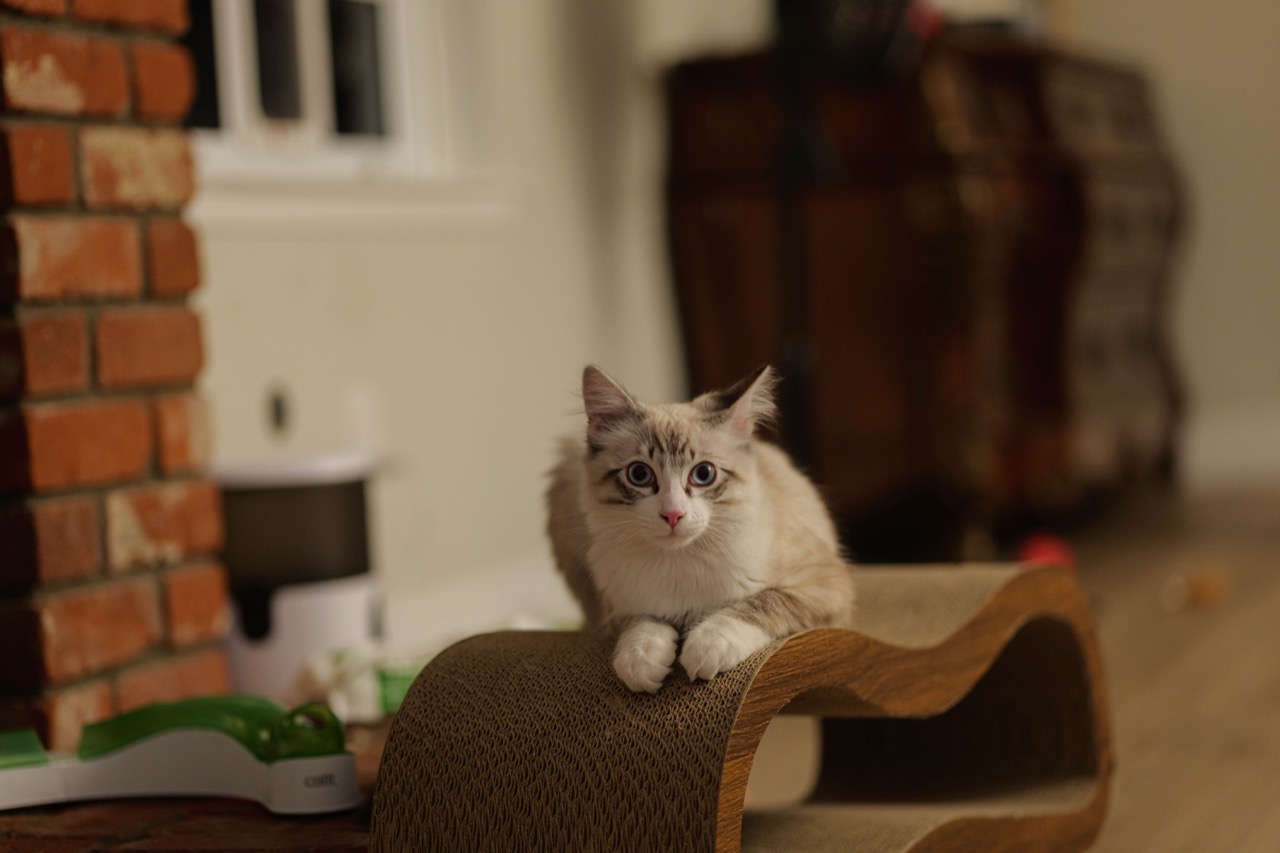
Scratching is another common point of confusion. It is normal behavior that helps maintain claw health, stretch muscles, and leave scent marks from glands in the paws. Providing sturdy scratching posts in key locations is usually more effective than trying to stop the behavior entirely.
Feline facts with a hint of history Cats likely began living near humans when early farming communities stored grain, attracting rodents. Cats that tolerated people had access to reliable prey, and a long partnership formed. Over time, cats spread widely through trade routes and ships, valued for their pest control skills.
Conclusion Cats are not tiny dogs in disguise. They are specialized hunters with senses tuned for stealth, bodies built for agility, and communication styles that reward careful observation. Learning why their tongues are rough, why they love tight spaces, and how they signal comfort or stress can make the quiz questions easier, but it also makes everyday life with a cat richer. The more you understand the animal behind the purr, the more impressive that ordinary house cat becomes.
.jpg)