Housecat Hero Knowledge Gauntlet




Quiz Complete!
Whiskerless Wonders: A Guided Tour of Cat Biology, Behavior, and Legends
Introduction Cats have a talent for seeming familiar while remaining mysterious. One moment they are asleep in a sunbeam, the next they are sprinting down a hallway as if chasing invisible prey. Their quiet confidence comes from a mix of sharp biology, finely tuned senses, and a long shared history with humans. If you want to do well in a wide ranging cat trivia challenge, it helps to understand what makes cats tick, from whiskers to wild ancestors.
Senses and body design A cat’s world is built around detecting movement and navigating tight spaces. Whiskers, also called vibrissae, are not just decorative. They are sensitive touch tools that help measure openings and sense air currents, which is especially useful in low light. Cats also have whisker like hairs above the eyes and on the legs that contribute to spatial awareness. Their night vision is strong, but not magical. Cats see well in dim light because their eyes have a reflective layer that boosts available light, yet they still need some light to see.
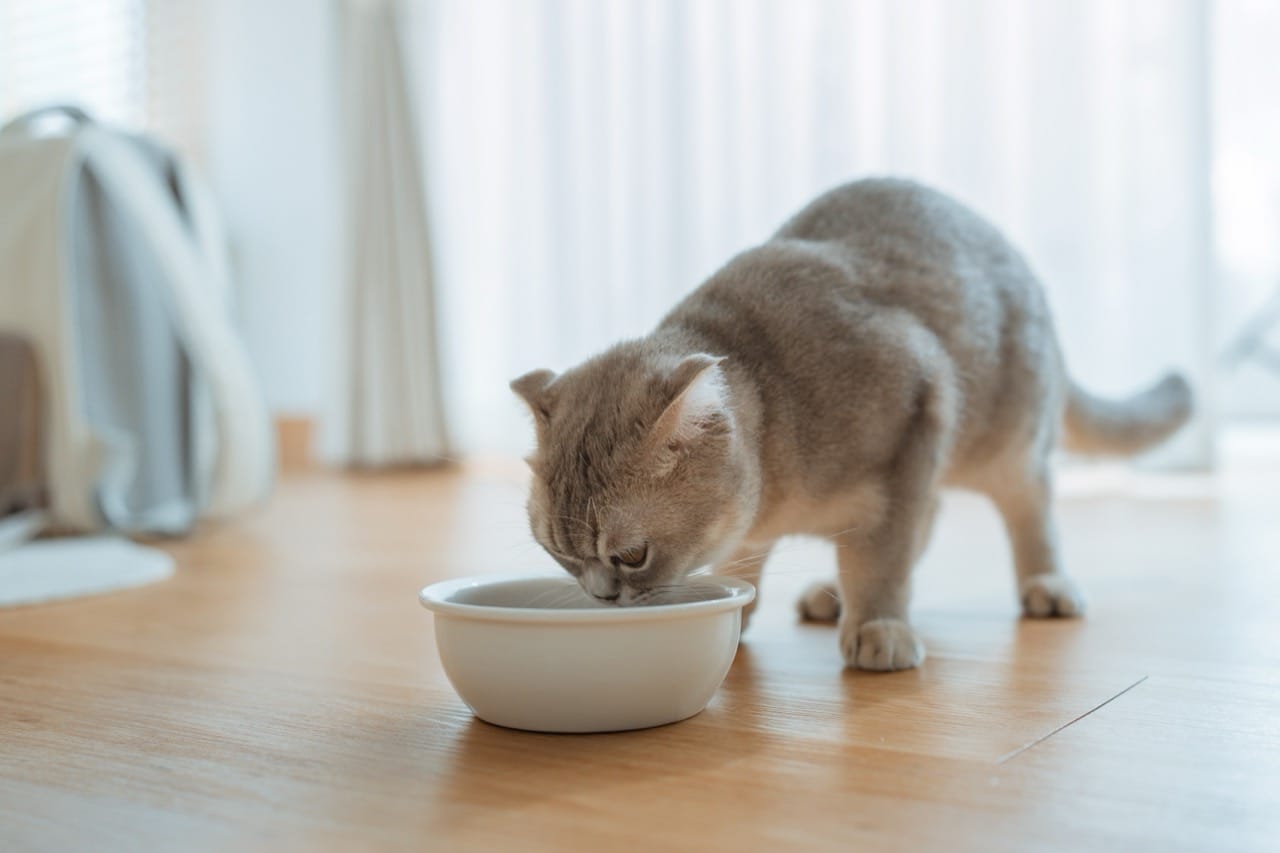
Cats are obligate carnivores, meaning their bodies are specialized for a meat based diet. They require nutrients such as taurine and vitamin A in forms that are naturally found in animal tissue. This is one reason cats thrive on diets formulated specifically for them rather than improvised meals. Their tongues are covered in tiny backward facing hooks that act like a grooming comb and help strip meat from bones.
Communication and social clues Cats communicate with a mix of sound, scent, and body language. Purring is often linked with comfort, but it can also appear during stress or pain, possibly as a self soothing behavior. Slow blinking is widely read as a friendly signal, while a tail held upright usually indicates confidence or a social greeting. Ears turned sideways or flattened can signal fear or irritation. The classic arched back and puffed fur are defensive displays meant to look larger.
Scent matters even more than many people realize. Facial rubbing deposits pheromones that mark safe territory and familiar companions. Scratching is not just about sharpening claws; it also leaves visual marks and scent cues from glands in the paws.
Behavior, instincts, and the indoor kingdom Many puzzling behaviors make sense when you remember that cats are small predators with strong hunting drives. The urge to stalk, pounce, and chase can be triggered by toys, shadows, or moving feet. “Zoomies” often reflect bursts of energy and play behavior. Bringing home prey or toys can be a form of sharing, practice, or instinctive caregiving.
Cats also value control over their environment. High perches allow safer observation, and hiding spots provide security. A well designed home for a cat usually includes vertical spaces, predictable routines, and play sessions that mimic hunting: stalk, chase, capture, then a reward.
History, breeds, and record worthy facts Domestic cats likely began their partnership with humans thousands of years ago as rodent hunters around early grain stores. Over time, people tolerated and then welcomed them, leading to the house cats we know today. Modern breeds range from long haired giants to sleek, athletic types, and some nearly hairless cats have become famous for their warm skin and strong need for cozy blankets.
Cat records can be surprising. Some cats become internet celebrities for unusual markings, extra toes, or remarkable longevity. Others earn attention for feats like traveling long distances, learning tricks, or serving as therapy animals.
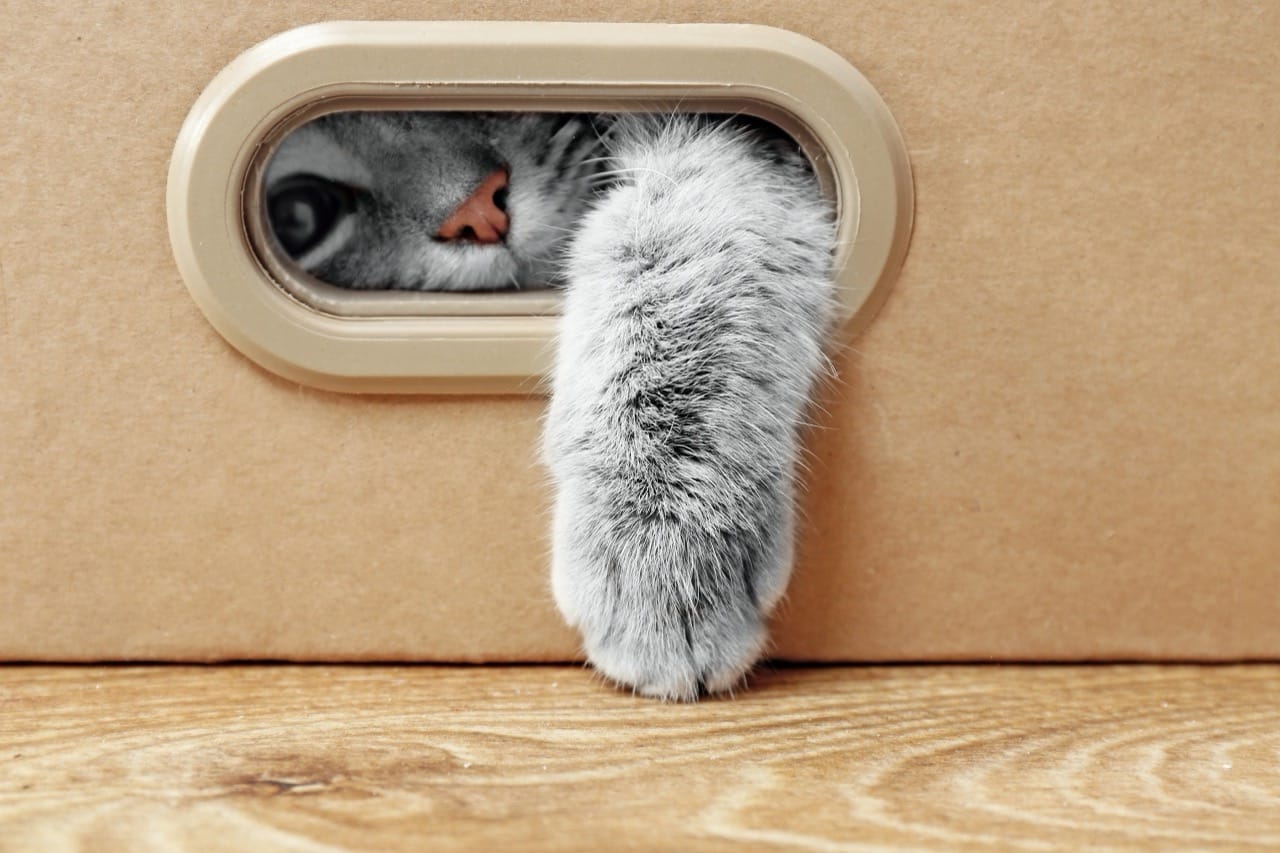
Conclusion Cats reward careful observation. Their bodies are engineered for stealth, their senses are tuned for hunting, and their behavior is a blend of instinct and learning. Knowing why a cat blinks slowly, scratches the sofa, or vanishes into a cardboard box turns random quirks into clues. With these facts in mind, you will be better prepared for any feline knowledge gauntlet, and you may see the everyday house cat as the quiet, capable hunter it has always been.
.jpg)