From Sand Cats to Siamese Secrets





Quiz Complete!
From Sand Cats to Siamese Secrets: A Tour of Feline Wonders
Cats feel familiar because they share our homes, but they also carry the legacy of a much larger and wilder family. From ancient temples to modern laboratories, felines have shaped human culture and science while keeping a reputation for doing things on their own terms. Understanding cats means looking at their history, their bodies, their communication, and the many ways people have influenced their lives.
Domestication began with opportunity rather than obedience. Most evidence points to wildcats in the Near East being drawn to early farming settlements, where grain stores attracted rodents and rodent hunters earned tolerance and eventually companionship. In ancient Egypt, cats became powerful symbols linked to protection and divinity, and harming them could be a serious offense. Yet even as cats spread through trade routes and ships, they retained many traits of solitary hunters, which helps explain why they can be affectionate without being as socially dependent as dogs.
Beyond the living room is a diverse cat family built for survival in extreme places. The sand cat, for example, is adapted to desert life with furred feet that help it move over hot sand and cope with cold nights. Many wild cats conserve water efficiently and get much of their moisture from prey. Their ears are not just cute features but precision tools: they can rotate to pinpoint faint sounds, an advantage when hunting in darkness or dense cover.
House cats share impressive biological tools with their wild cousins. A flexible spine and powerful hind legs support quick bursts of speed and sudden leaps. The famous righting reflex helps many cats orient their bodies during a fall by twisting the spine and adjusting limb position, though it is not a guarantee of safety. Their whiskers act like sensory antennas, detecting air currents and helping them judge spaces. Night vision is boosted by a reflective layer behind the retina that increases light sensitivity, which is why cat eyes can seem to glow.
Cat communication is a subtle blend of scent, sound, and body language. Scent marking through rubbing and scratching leaves chemical messages that other cats can read like a bulletin board. Purring often signals contentment, but cats may also purr when stressed or in pain, possibly as a self-soothing mechanism. Slow blinking is commonly interpreted as a friendly signal, while a flicking tail can indicate rising agitation. Meowing is especially interesting: adult cats rarely meow to each other, but many learn to use it with humans, fine tuning pitch and timing to get results.
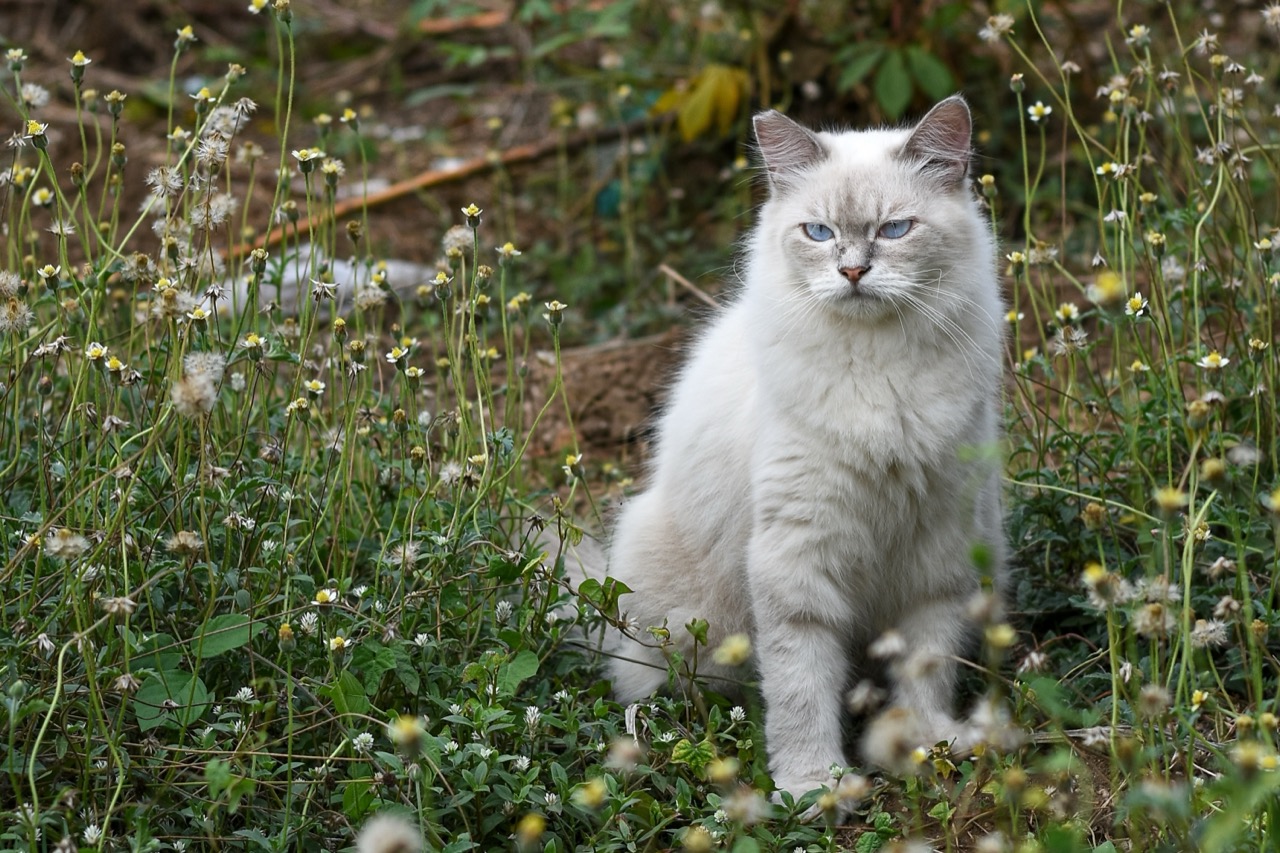
Selective breeding has created striking varieties, from the sleek Siamese to long haired and flat faced breeds. Genetics shapes coat color, pattern, and even some health risks. For instance, some colorpoint patterns are temperature sensitive, producing darker fur on cooler parts of the body. Breed popularity can drive intense selection for appearance, which is why responsible breeding and veterinary awareness matter.
Conservation adds another layer to the story. Many wild cats face habitat loss, declining prey, and conflict with humans. At the same time, free roaming domestic cats can impact wildlife populations, especially birds and small mammals. Solutions often focus on keeping pet cats safe indoors or supervised, supporting spay and neuter programs, and protecting habitats for wild species.
Cats remain a blend of ancient partner and modern mystery. The more you learn, the more their behaviors make sense: a small predator with finely tuned senses, shaped by evolution and nudged by humans, still carrying the instincts of a hunter that once walked desert dunes and temple courtyards alike.

.jpg)