Doorway Dashers and Sunbeam Sleepers Quiz
Quiz Complete!
Doorway Dashers and Sunbeam Sleepers: The Everyday Science of Cat Habits
Introduction Cats have a talent for making normal household moments feel like puzzles. One minute they are asleep in a sunbeam, the next they are sprinting to the door as if they heard a secret signal. They knead blankets with serious focus, stare at corners that look completely empty, and treat a cardboard box like a luxury apartment. These behaviors are not random. Most come from a mix of biology, communication, and instincts shaped by thousands of years as both hunters and companions.
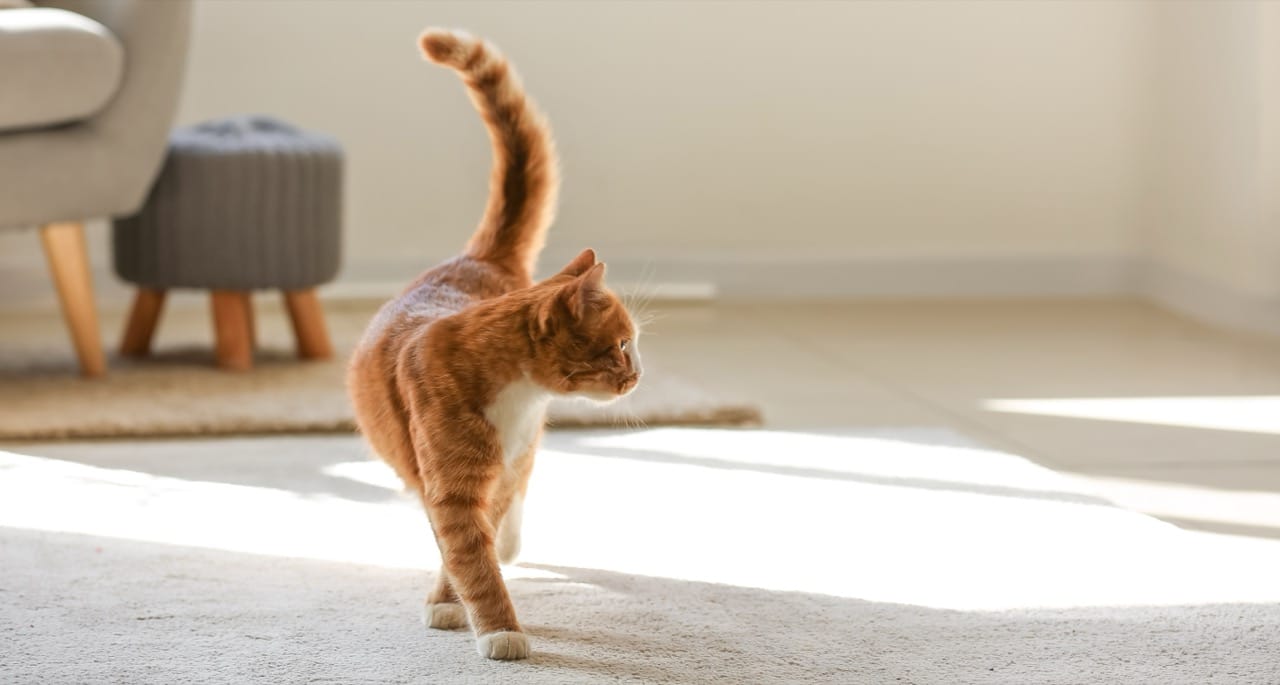
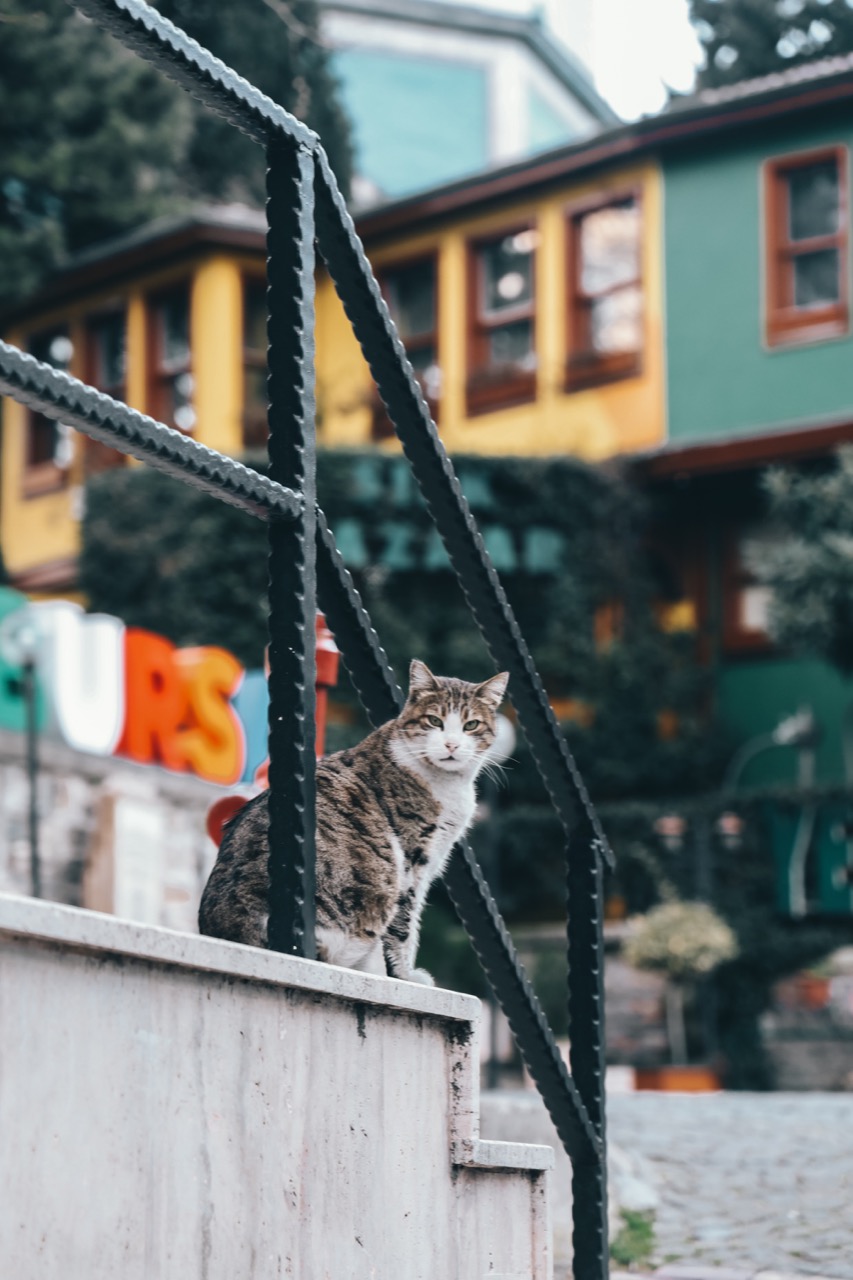
Why cats dash, stalk, and stare The classic doorway dash is often a combination of curiosity and territory. Cats naturally patrol boundaries, and a door is a moving border that sometimes reveals new smells, sounds, and possible escape routes. Some cats also learn that doors predict interesting events, like a person leaving or returning. The intense stare at an empty spot can be explained by senses that outperform ours. Cats detect subtle movement, hear high frequency sounds, and notice tiny changes in light and shadow. That corner may contain a small insect, a distant noise, or a scent trail you cannot perceive.
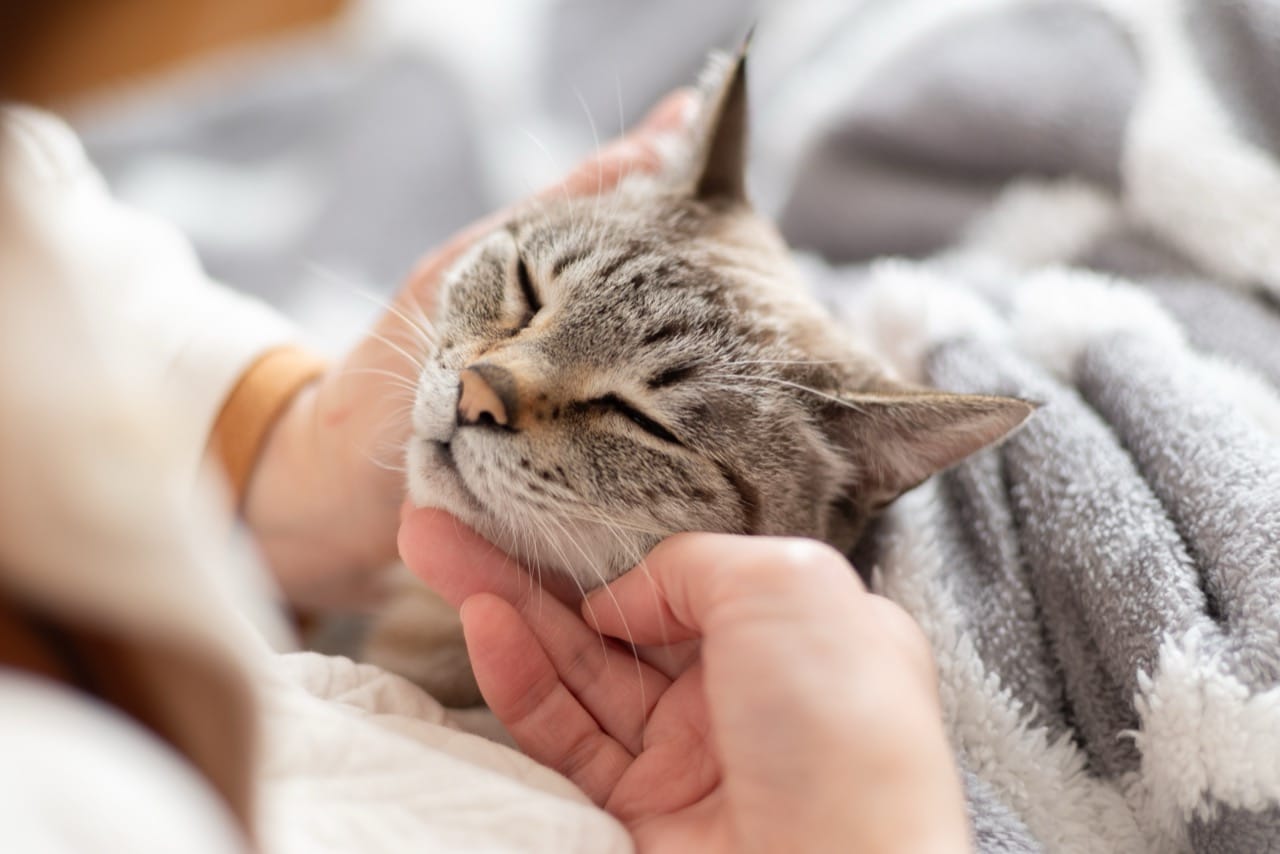
Communication: meows, tails, and slow blinks Adult cats rarely meow at each other, but many learn to meow at people because it works. Different tones can signal greeting, request, frustration, or urgency. Body language matters even more. An upright tail with a relaxed tip often means friendly confidence, while a puffed tail signals fear or excitement. Slow blinking is one of the most charming signals: it is often a sign of comfort and trust. If you slow blink back, many cats interpret it as a calm, friendly response.
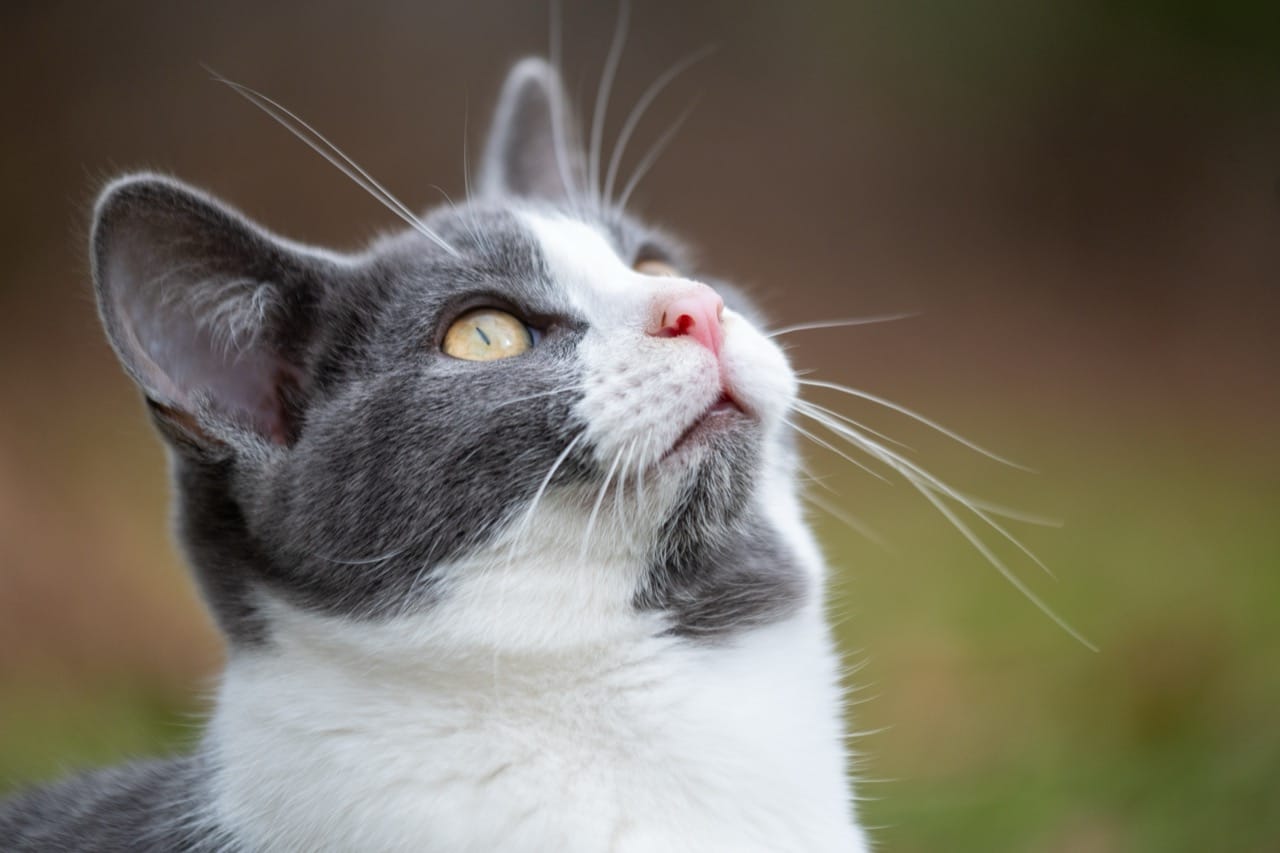
Scratching, scent marking, and the importance of whiskers Scratching is not just about sharpening claws. It stretches the body, maintains claw health by shedding old layers, and leaves both visual marks and scent. Cats have scent glands in their paws, so a scratch post becomes a message board that says this place is familiar and safe. Whiskers are another key tool. They are highly sensitive touch receptors that help cats judge spaces, detect airflow changes, and track moving objects up close. When whiskers are pressed back, it can indicate stress or overstimulation.
Grooming, kneading, and the comfort of routine Cats groom to clean, cool down, and manage scent. Grooming also helps them relax, which is why you may see it after a stressful moment. Kneading is a leftover behavior from kittenhood, when kittens knead their mother to stimulate milk flow. Many adult cats keep the habit because it is soothing and linked to comfort. Some cats drool or purr while kneading, showing how strongly it is tied to feeling safe.
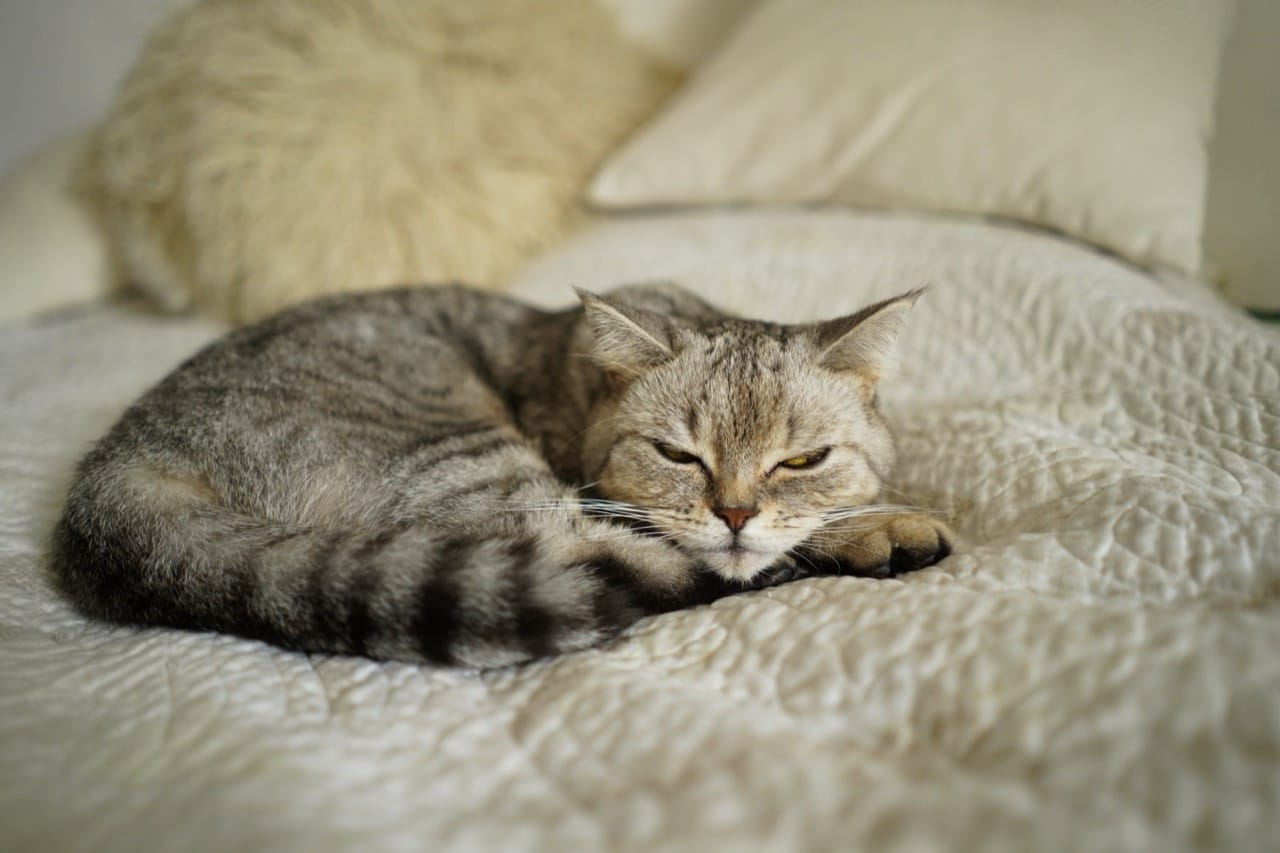
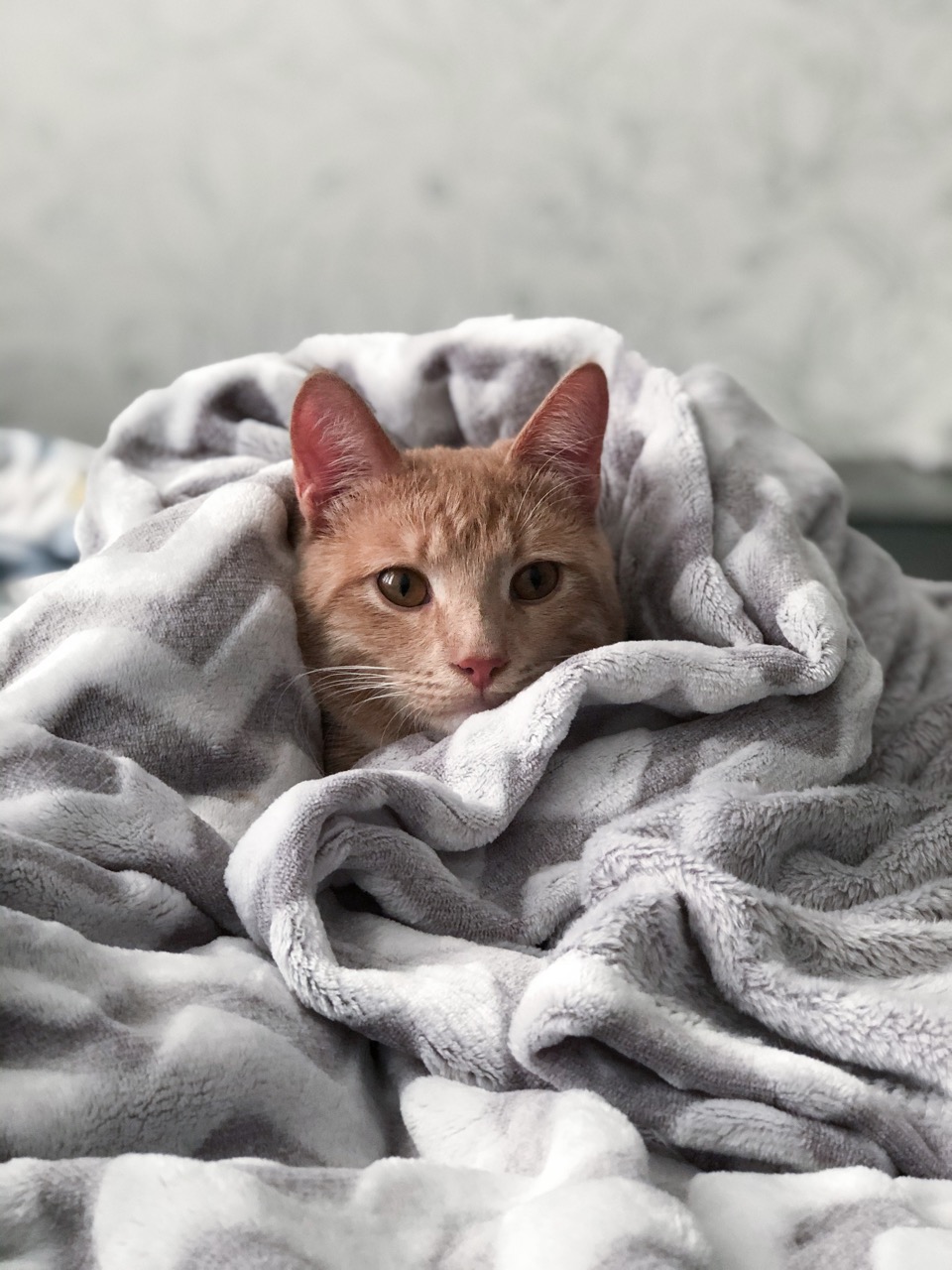
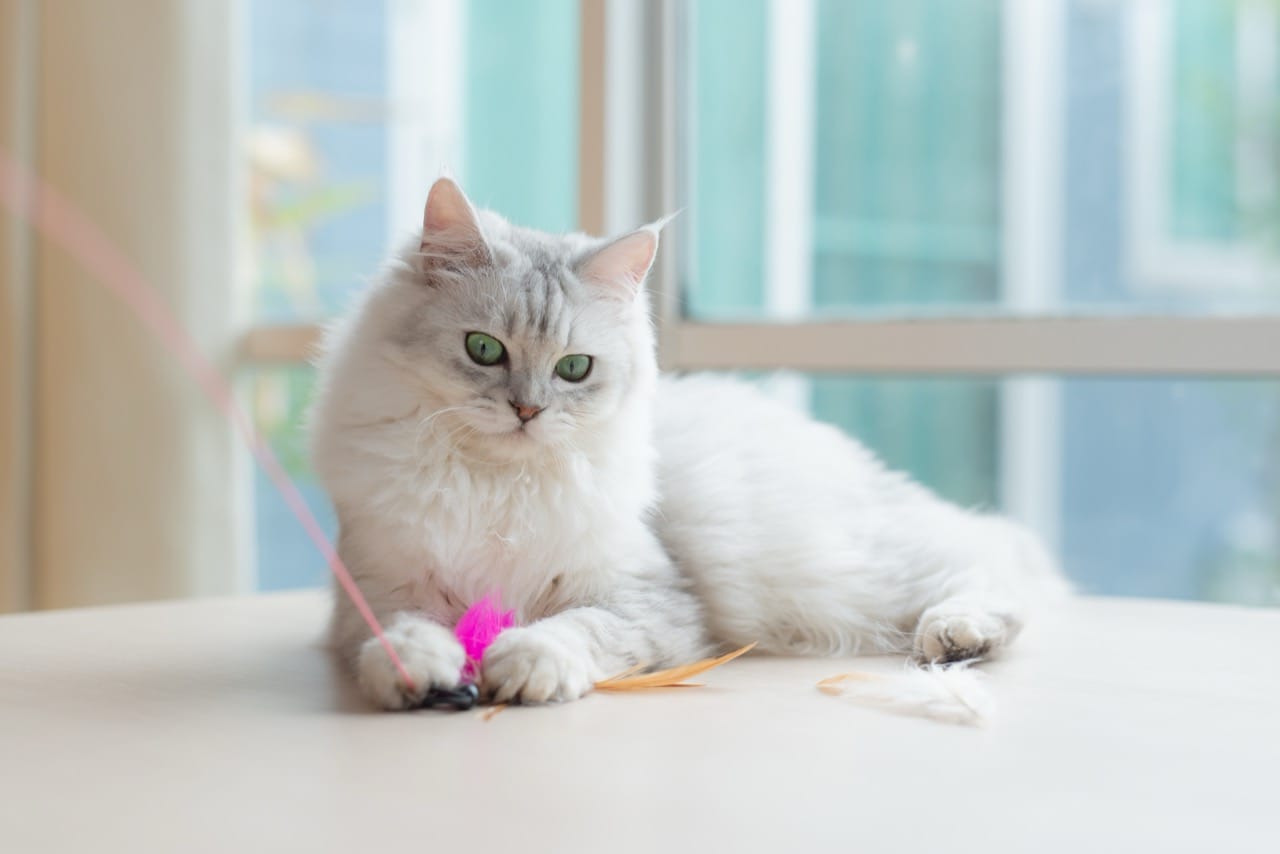
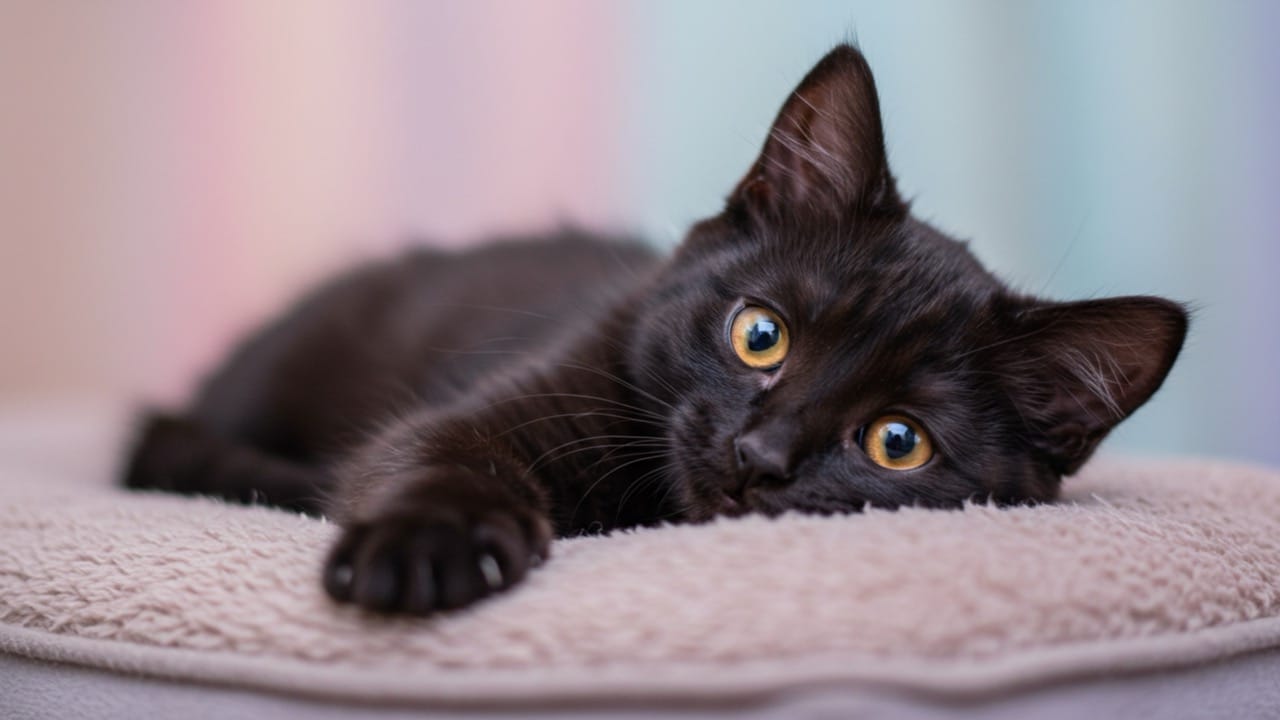
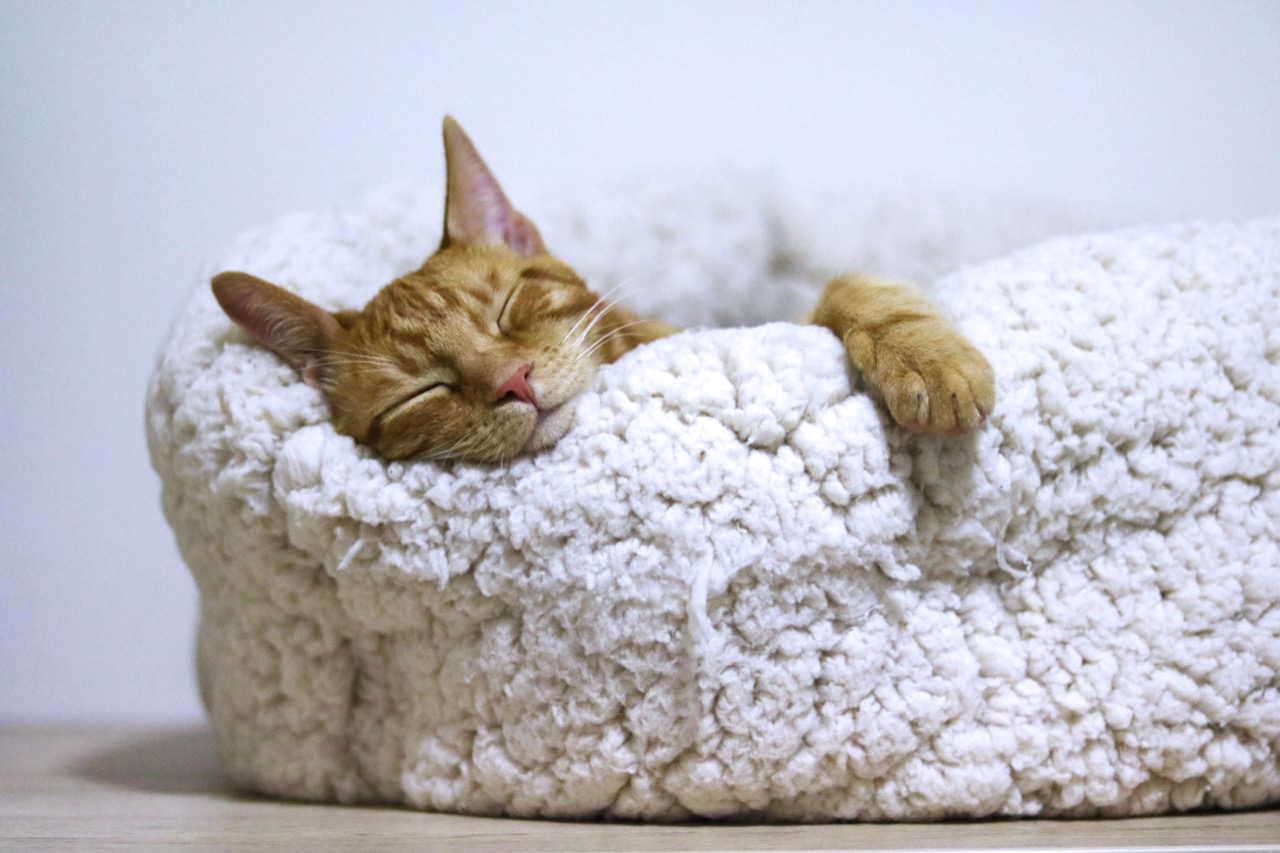
Sleep, play, and the magic of boxes Cats sleep a lot because they are built for short bursts of intense activity. Even indoor cats retain the rhythm of a hunter: conserve energy, then play hard. Daily play sessions mimic hunting and can reduce nighttime zoomies and unwanted scratching. Boxes are popular because they provide warmth, shelter, and a secure vantage point. A box also concentrates familiar scents, which can make a cat feel protected.
Litter box logic at home Litter box preferences are usually about cleanliness, location, and texture. Many cats dislike strong scents or dirty boxes, and they often prefer a quiet spot with an easy escape route. If a cat suddenly avoids the litter box, it can be stress, a dislike of the setup, or a medical issue such as urinary discomfort. Quick attention is important because urinary problems can become serious.
Conclusion The quirks that make cats so entertaining are usually sensible once you see them through a feline lens. Door dashes, sunbeam naps, scratching rituals, and box obsessions are all connected to communication, comfort, and instinct. Understanding the logic behind these habits makes it easier to meet your cat’s needs and enjoy the tiny mysteries happening right under your nose.
.jpg)