Curious Cats and Odd Behaviors Quiz



Quiz Complete!
Whisker Wisdom and Cat Oddities: The Science Behind Feline Weirdness

Introduction Cats can seem like small, self-contained universes: confident, mysterious, and perfectly adapted to getting what they want. Living with one teaches you a lot, but the deeper you look, the stranger and more specialized cats become. From their whiskers and senses to genetics and silent communication, many everyday cat behaviors have clear biological reasons.
Senses and anatomy: built for precision A cat’s whiskers are not just decorative. They are specialized touch sensors rooted in follicles packed with nerves and blood supply. Whiskers help a cat judge openings, track air currents, and navigate in low light. Many cats also have whiskers on the backs of their front legs, which can help detect and hold prey.
Cats are famous for night vision, but it is not magical. Their eyes have a reflective layer called the tapetum lucidum that bounces light back through the retina, improving low-light sensitivity. The trade-off is reduced sharpness compared with bright-light vision. Their hearing is even more impressive: cats detect higher frequencies than humans, which helps them locate tiny prey. Their ears can rotate to pinpoint sounds, and they can use subtle timing differences between ears to triangulate a noise source.
Purring, meowing, and the language of silence Purring is often linked to contentment, but it shows up in other contexts too, including stress, pain, and recovery. Scientists think purring can be a self-soothing behavior and may even promote healing because the vibrations fall within frequencies associated with bone and tissue repair. It is not a guarantee that a cat feels fine, so a purring cat that is hiding, not eating, or acting unusual still deserves attention.
Meowing is mostly a cat-to-human tool. Adult cats rarely meow at each other; they rely more on scent, body posture, and subtle vocalizations. Many cats learn which sounds get results, from short chirps to loud, repetitive meows that can resemble a baby’s cry. Silent communication matters too: a slow blink can signal trust, while a tail held upright often indicates friendly intent. Even a cat rubbing against you is a message, depositing scent from facial glands to mark you as familiar.
Behavior mysteries: why they do that Kneading, the rhythmic pressing of paws, begins in kittenhood as a way to stimulate milk flow. In adults it can signal comfort, but it may also be a form of scent marking because cats have glands in their paws. Zoomies, those sudden bursts of speed, can be play, stress release, or leftover hunting energy. Scratching is not spite; it maintains claw health, stretches muscles, and leaves both visual marks and scent cues.
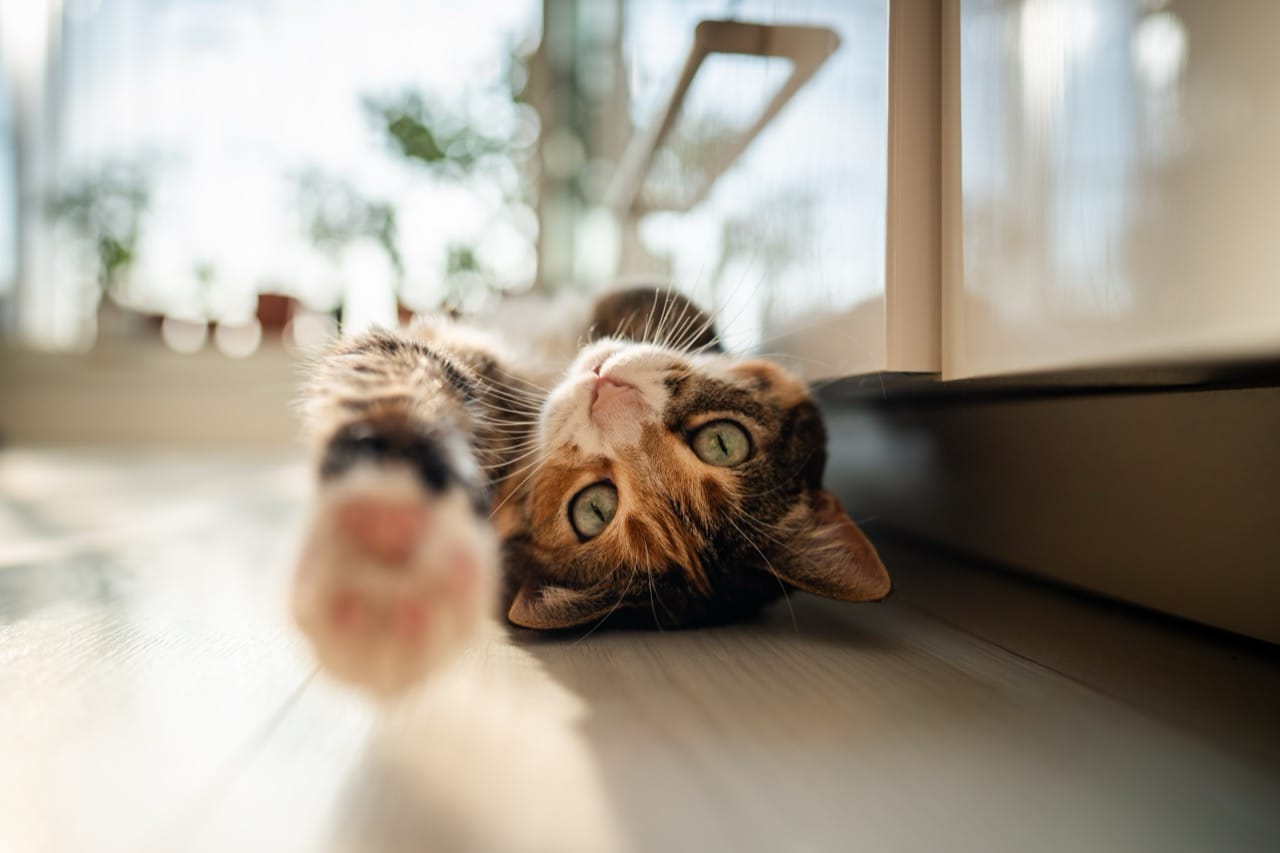
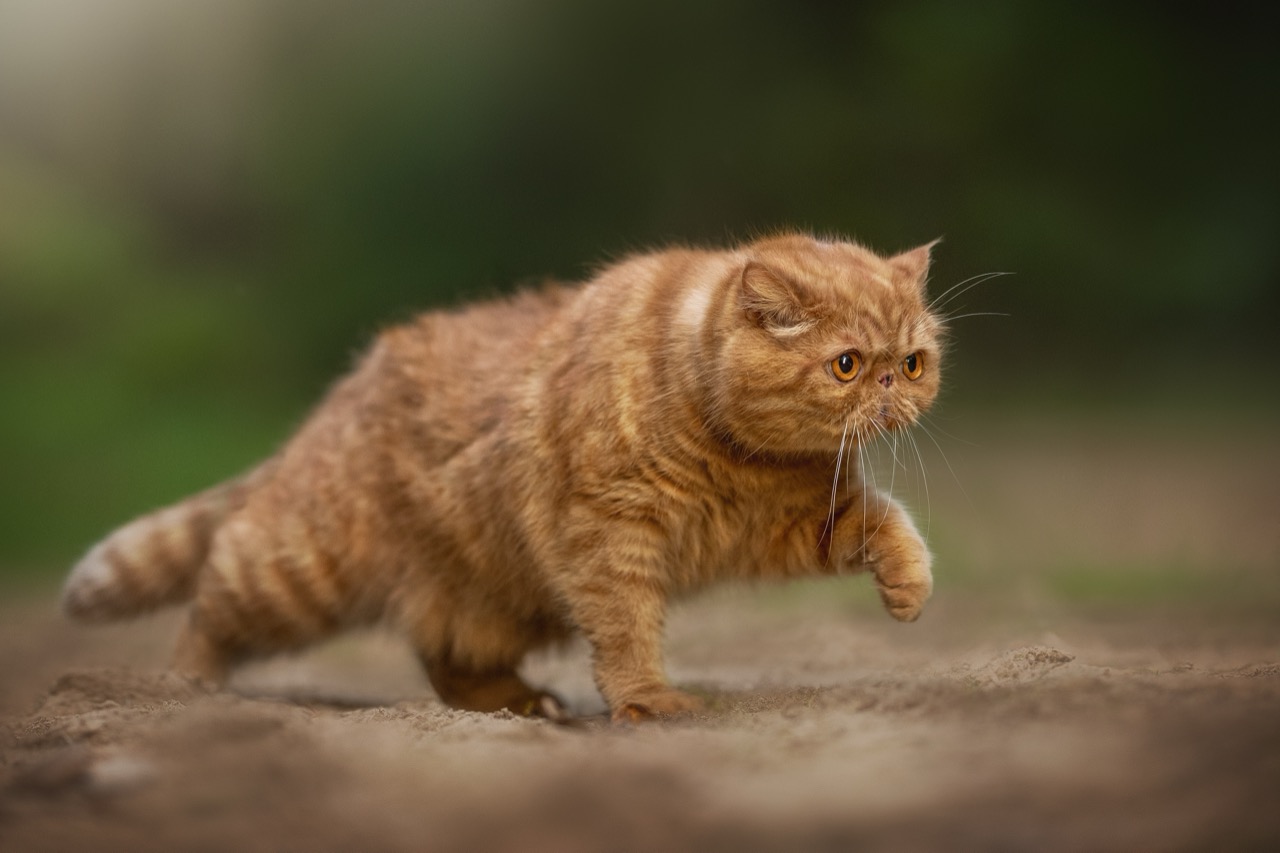
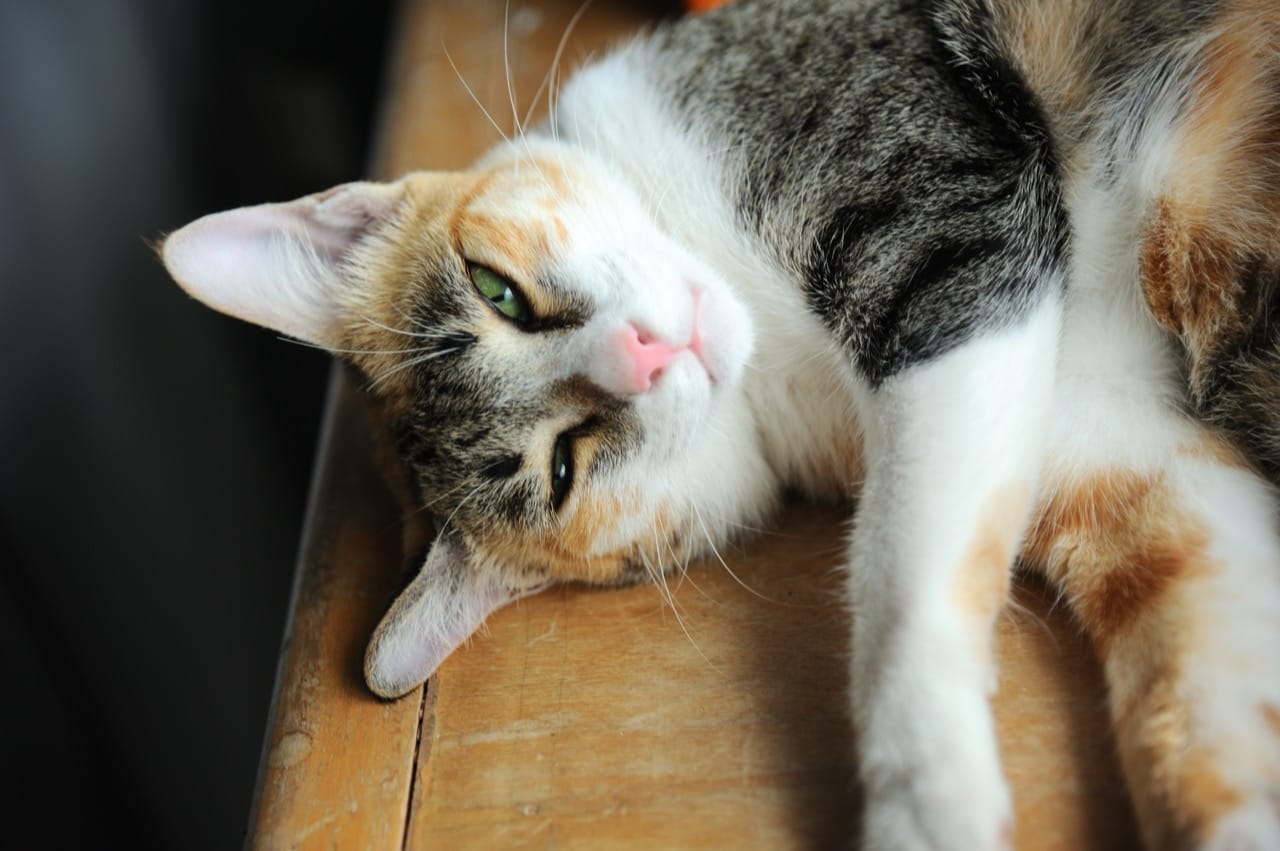
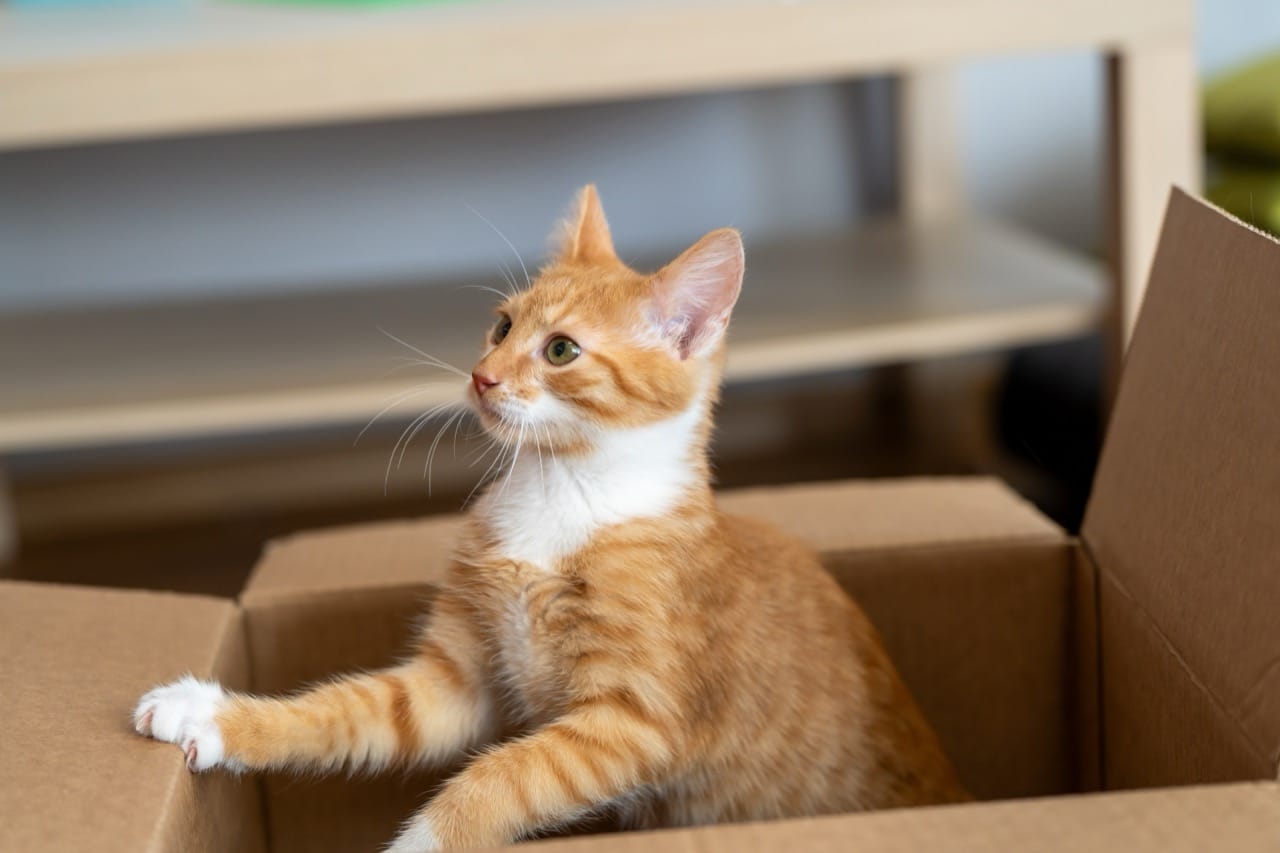
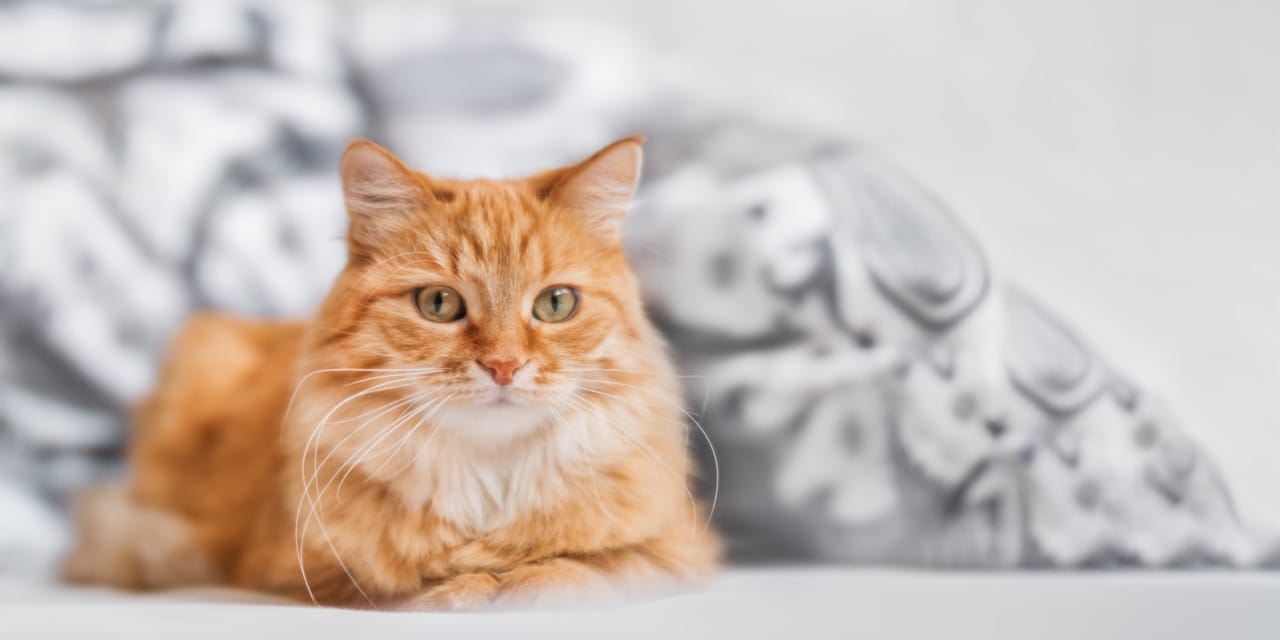
Genetics and coat color surprises Coat color genetics can be unexpectedly complex. The orange color gene is carried on the X chromosome, which is why many orange cats are male. Calico and tortoiseshell patterns usually appear in females because they require two X chromosomes with different color instructions, creating a patchwork when one X is randomly switched off in different cells. Male calicos exist but are rare and often have an extra X chromosome.
Famous cat facts with real meaning A cat’s nose print is unique, like a fingerprint. Their tongue is covered in backward-facing spines that help with grooming and stripping meat. Their collarbone is not attached like ours, allowing them to squeeze through tight spaces if the head fits. And the classic head bump is a friendly marking behavior, not an accident.
Conclusion Cats may act like they run the household, but their oddities are not random. Whiskers, senses, purrs, and coat colors all reflect a predator shaped by evolution and refined by living alongside humans. The more you understand the science behind the quirks, the more impressive your cat becomes, and the better prepared you are to spot what is normal, what is clever, and what might be a quiet call for help.

.jpg)