Codex of the Velvet Operatives






Quiz Complete!
Codex of the Velvet Operatives: The Science and Secrets of Everyday Cats
Introduction A quiet home can turn into a suspense story the moment a cat decides to patrol it. Cats move like they have a mission, and in a way they do. Their bodies and behaviors are built for stealth, communication, and survival, even when the biggest threat is an empty food bowl. Understanding what your cat is really doing can make their habits feel less mysterious and a lot more impressive.
Purring, meowing, and the hidden language of sound Purring is often treated as a simple sign of happiness, but it is more versatile than that. Cats may purr when relaxed, but also when stressed, injured, or seeking comfort. The sound is produced by rapid muscle movements around the larynx, creating vibrations as the cat breathes in and out. Those vibrations fall into frequencies that some researchers associate with tissue healing and pain relief, which may help explain why cats purr in situations that do not look joyful. Meows are different. Adult cats rarely meow at each other; they mostly reserve meowing for humans. Many cats learn which sounds get a response, essentially tailoring their vocal requests to the household.
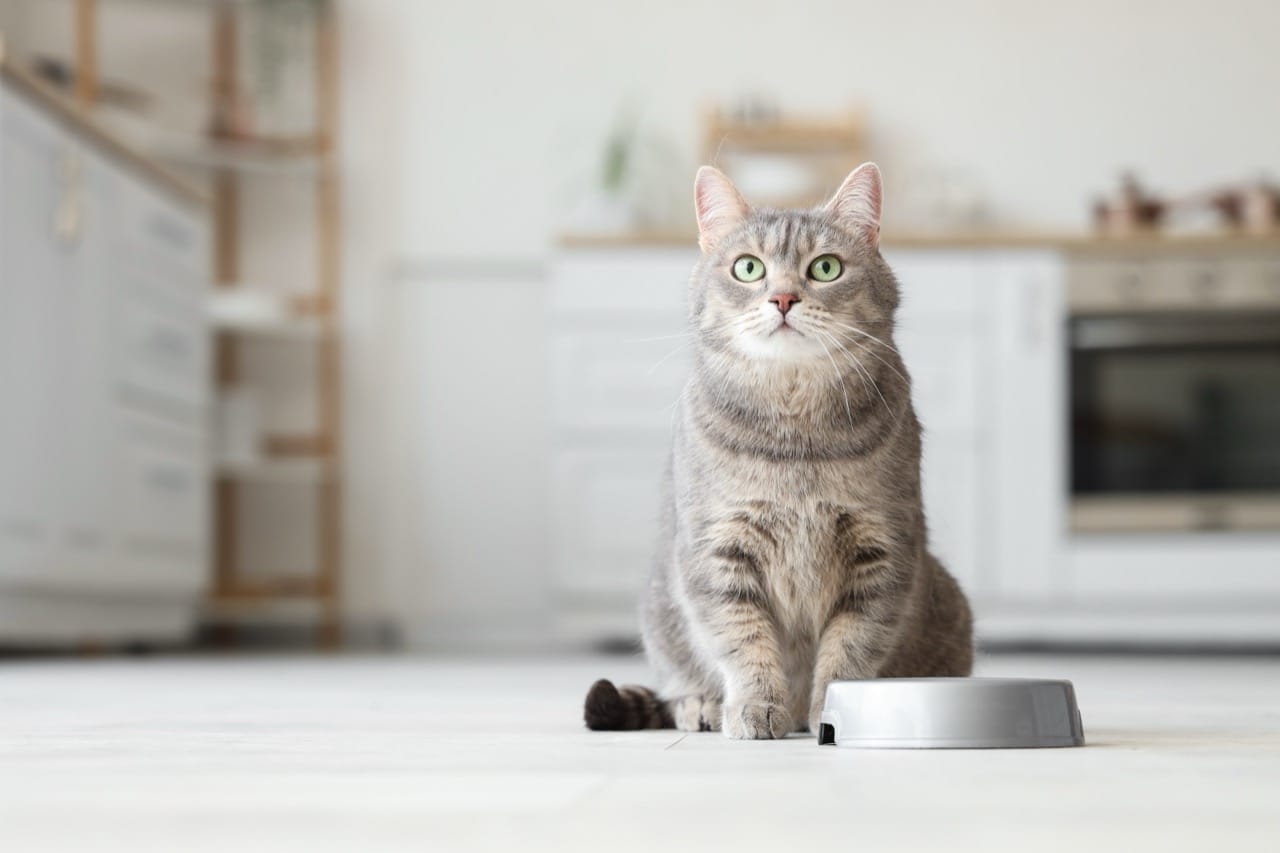
Whiskers and the art of close range navigation Whiskers are not just long hairs. They are specialized sensory tools connected to nerves and muscles, designed to detect subtle changes in air movement and contact. This helps cats judge whether they can fit through a gap, track nearby objects in low light, and coordinate precise movements during hunting or play. Whisker stress is real, too: when food bowls press on sensitive whiskers repeatedly, some cats become reluctant eaters. A wider, shallow dish can make meals more comfortable.
Leaping physics and the athletic blueprint Cats can jump several times their own height because of powerful hind leg muscles, a flexible spine, and a tail that acts like a balance pole. Their shoulder blades are not rigidly attached like ours; they are connected by muscle, which increases stride length and allows that smooth, silent prowl. The famous righting reflex helps many cats twist midair to land on their feet, though it is not a guarantee of safety. Falls can still cause serious injury, especially from heights where a cat has time to reach high speed.
Night vision, grooming, and the clean cover story Cats see well in dim light thanks to large pupils, a high number of rod cells in the retina, and a reflective layer called the tapetum lucidum that bounces light back through the retina. They do not see in total darkness, but they are excellent at using tiny amounts of light. Grooming is more than vanity. A cat’s tongue has backward facing barbs that act like a comb, removing loose fur and debris. Grooming helps regulate temperature, spreads natural oils for coat health, and can reduce scent traces, which matters to an animal that evolved as both hunter and potential prey.
Scent signals and the furniture corner dossier When a cat rubs its face on a chair leg or head bumps your hand, it is often marking with scent glands around the cheeks and forehead. Scratching also leaves messages: it deposits scent from glands in the paws and creates visible marks that function like a calling card. Even the tail up greeting can be a friendly signal, not just a cute pose.
Ancient reverence and modern genetics Cats have a long history with humans, from pest control in early agricultural communities to revered status in ancient Egypt. Today, genetics explains why cats come in such varied coats and patterns, and why certain traits cluster in particular breeds. Domestic cats remain remarkably close to their wild ancestors, which is why many instinctive behaviors still appear in living rooms.
Conclusion Cats may look like small, elegant housemates, but their daily routines are packed with purpose. Purring can be comfort and strategy, whiskers are precision sensors, and scent marking is a quiet form of communication. The next time your cat glides through the hallway like a velvet operative, you will know there is real biology behind the drama, and you might even suspect they have been in charge all along.
.jpg)