Claw-some Cat Facts Sprint




Quiz Complete!
Whiskerless Wonders: The Hidden Science and Surprises of House Cats
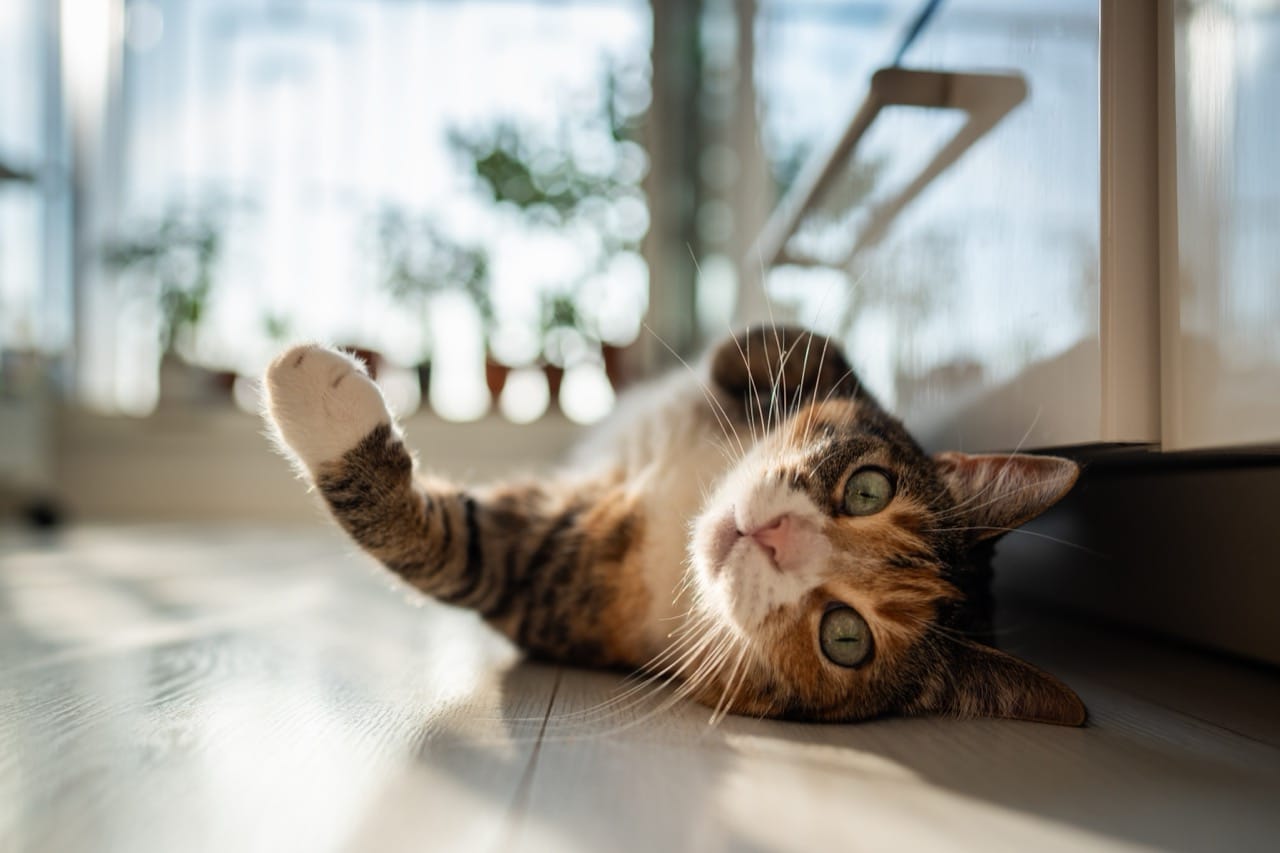
Introduction House cats may look like relaxed couch companions, but beneath the naps and purrs is a finely tuned hunter with senses and instincts shaped by thousands of years. From the way a cat stalks a toy to the meaning behind a slow blink, everyday behaviors can reveal a lot about feline biology, communication, and history. Learning these details makes the familiar feel new, and it can even help you understand what your cat is trying to tell you.
Body language and communication Cats communicate constantly, but much of it is quiet and subtle. A tail held upright with a slight curve at the tip often signals friendly confidence. A tail that swishes sharply back and forth can mean agitation or overstimulation, especially during petting. Ears are also important: forward ears suggest interest, while ears turned sideways or flattened can signal fear or annoyance.
The slow blink is one of the best known friendly signals. Many cats use it as a calm, nonthreatening gesture. If you slowly blink back, you may be returning the message. Purring is usually linked to comfort, but it can also appear when a cat is stressed, injured, or trying to soothe itself. Vocal sounds vary widely by individual, and many adult cats meow primarily to communicate with humans rather than other cats.
Senses built for hunting Cats are specialists at low light hunting. Their eyes have a reflective layer that helps them see in dim conditions, which is why they can appear to glow in headlights. Their vision is especially good at detecting movement, though they do not see the world exactly as humans do. Hearing is a standout sense: cats can detect higher pitched sounds than people, which helps them locate small prey. Their ears can rotate to pinpoint a noise with impressive accuracy.
Whiskers are not just decoration. They are sensitive touch sensors that help a cat judge spaces and detect nearby objects, even in the dark. Whiskers also contribute to a cat’s sense of body position. This is why trimming whiskers is harmful and can leave a cat disoriented.
Instincts, play, and the famous pounce The classic stalk, crouch, and pounce sequence is a hunting routine. Play is often practice for this behavior, which is why toys that mimic prey movement are so exciting. Sudden bursts of speed, sometimes called zoomies, can be a mix of pent up energy release and playful hunting rehearsal. Even well fed cats may hunt because the drive is instinctive, not simply hunger.
Cats also use scent as a key information system. Rubbing their cheeks on furniture or people deposits scent from facial glands, marking a space or person as familiar. Scratching does more than sharpen claws; it leaves visual marks and scent signals from the paws.
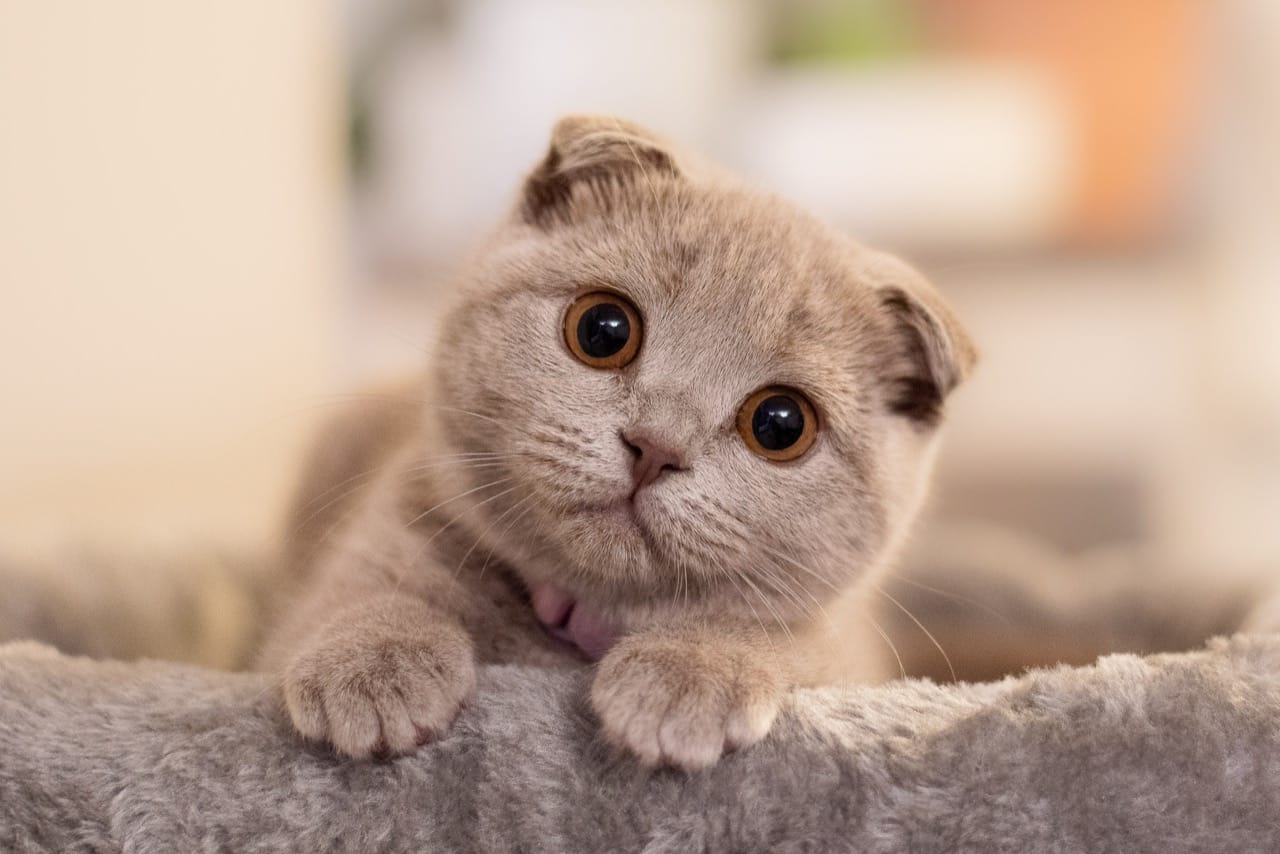
Breeds, history, and record worthy traits Domestic cats likely spread around the world alongside early farming communities, where stored grain attracted rodents and cats thrived as pest control partners. Over time, cats became companions, and selective breeding created distinct looks and temperaments. Some breeds are known for social behavior, others for long coats, distinctive ears, or unique body shapes.
Cats also have surprising physical abilities. Their flexible spine and powerful hind legs support dramatic leaps. The righting reflex helps many cats twist in midair to land on their feet, though it is not a guarantee of safety and falls can still cause serious injury. Another fun detail: a cat’s nose print is often described as unique, much like a human fingerprint.
Conclusion Cats are a blend of elegance, mystery, and practical biology. Their quiet signals, sharpened senses, and playful hunting routines are not random quirks but the result of evolution and shared history with humans. The next time your cat slow blinks, chatters at a bird, or launches into a sudden sprint, you will be watching a small predator with a big story. Understanding these whiskered wonders makes the trivia more fun and everyday life with cats more meaningful.
.jpg)