Cattitude Check Feline Facts Test


Quiz Complete!
Whisker Wisdom: The Science and History Behind Cat Behavior

Cats often seem like tiny roommates with strong opinions, and many of their odd habits make perfect sense once you look at the biology and history behind them. From silent stares to sudden sprints across the living room, cats are built to be efficient hunters and careful communicators. Understanding a few key facts can make their behavior feel less mysterious and even help you care for them better.
Communication in cats is a mix of body language, scent, and sound. A slowly blinking cat is often showing trust, while a twitching tail can signal agitation rather than happiness. Ears that rotate like satellite dishes help cats track sounds, but they also broadcast mood. Forward ears suggest interest, flattened ears can mean fear or irritation. Cats also rely heavily on scent. They rub their cheeks on furniture and people to deposit pheromones from facial glands, essentially labeling familiar places and friends as safe. Scratching is similar: it maintains claws, stretches muscles, and leaves both visual marks and scent signals.
Many classic cat behaviors come from kittenhood. Kneading blankets, laps, or soft pillows is linked to nursing, when kittens knead their mother to stimulate milk flow. Adult cats may knead when relaxed because the motion is associated with comfort. Purring is another complex behavior. Cats purr when content, but they can also purr when stressed or in pain, possibly as a self-soothing mechanism. Some research suggests the vibration frequencies may support healing, though the full story is still being studied.
A cat’s body is a climbing and jumping toolkit. Their flexible spine and powerful hind legs allow impressive leaps, and their collarbone is not attached like a human’s, helping them squeeze through tight spaces. Whiskers are not just decoration; they are sensitive tactile sensors that detect air movement and help cats judge openings in low light. Night vision is strong because cats have a reflective layer behind the retina that boosts available light, but they still need some light to see.
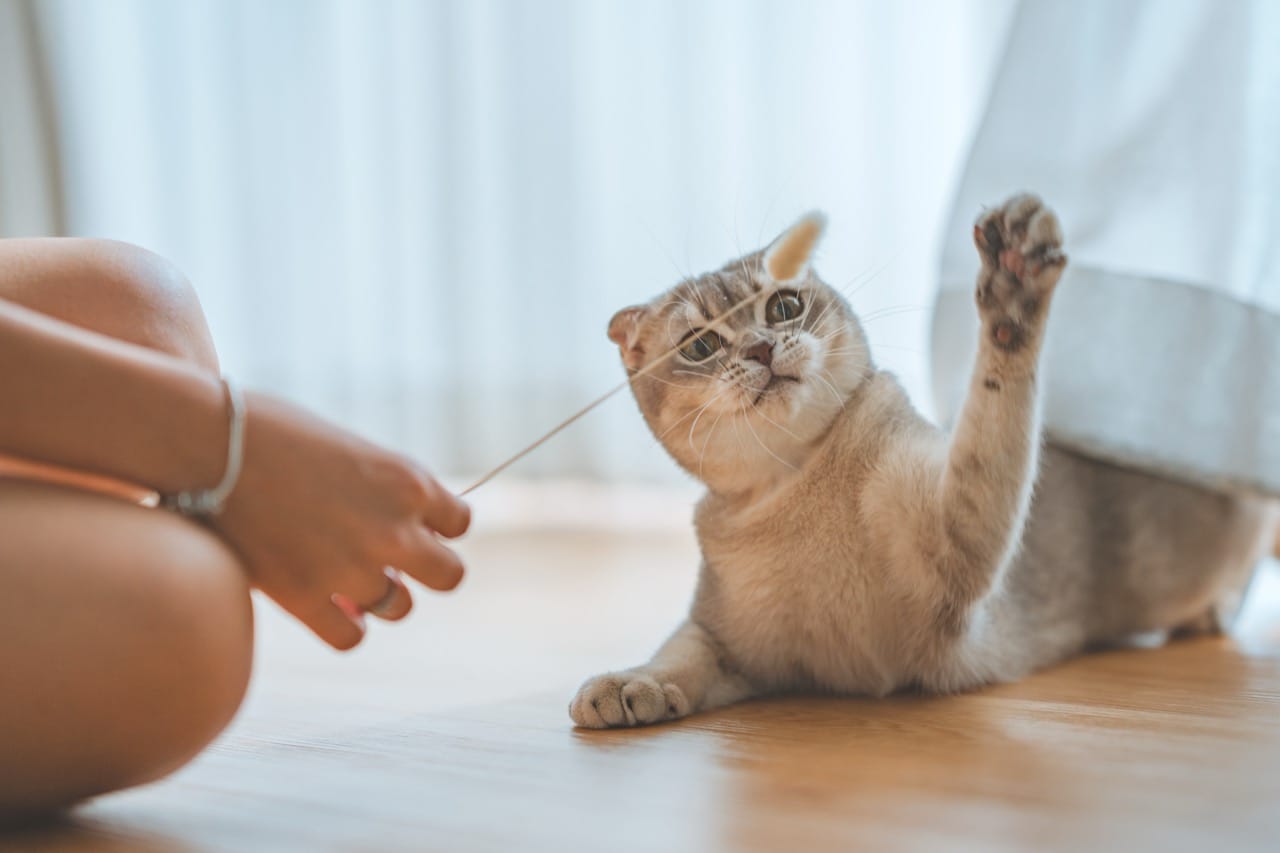
Hunting instincts shape many household quirks. The sudden burst of energy known as the zoomies can reflect a predator’s need for short, intense activity. Play that looks like stalking and pouncing is practice for hunting skills. Even well-fed cats may bring “gifts” because the drive to hunt is deeply wired. In multi-cat homes, you may notice cats prefer separate resources. This fits their natural tendency to avoid conflict through distance and routine rather than constant social negotiation.
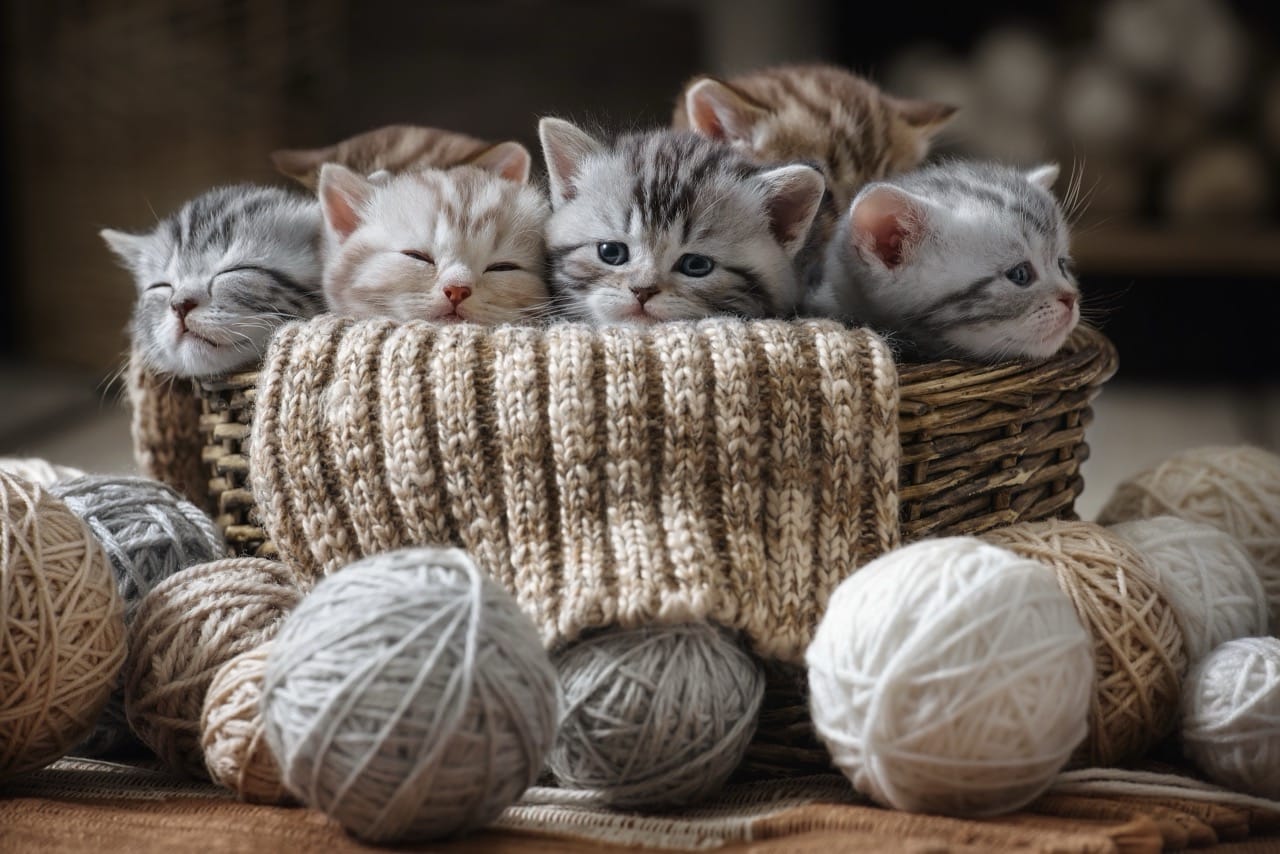
Domestication likely began when wildcats took advantage of rodents around early farming settlements. Humans benefited from pest control, and the friendliest cats gained better access to food and shelter. Over time, this relationship shaped the domestic cat, though cats remain less altered than dogs in many ways. Cat breeds are a more recent development, often selected for appearance or specific traits. Some breeds were valued for working roles, such as strong mousers in barns and ships, while others were developed primarily for companionship.
In the end, cats are a blend of wild precision and home comfort. Their habits can look strange, but they are usually logical responses from an animal designed to hunt, navigate, and communicate with subtlety. The more you learn about whiskers, scents, purrs, and leaps, the more you can appreciate that the creature on the windowsill is not just acting like it owns the place. It is acting like a highly specialized survivor that learned how to thrive alongside us.

.jpg)