Cats of the Moonlit Menagerie






Quiz Complete!
Whiskerless Wonders of the Moonlit Menagerie: A Curious Guide to Cat Life
Introduction Cats can seem like quiet roommates until they erupt into a midnight sprint or fix you with a stare that feels oddly judgmental. Beneath the elegance and attitude is a finely tuned hunter that has adapted to living alongside humans for thousands of years. Understanding a little about how cats are built, how they communicate, and how they earned their place on our couches makes their quirks feel less mysterious and even more impressive.
Bodies Built for Stealth and Sudden Speed A cat’s athleticism comes from a flexible spine, powerful hind legs, and a shoulder structure that allows a long, smooth stride. Their collarbones are not rigidly attached like ours, which helps them squeeze through surprisingly narrow gaps. The famous righting reflex lets many cats twist midair to land on their feet, although it is not a guarantee of safety and falls can still cause serious injury.
Whiskers are not just decoration. They are sensitive touch sensors that help a cat judge openings and navigate in low light. Some cats have shorter or damaged whiskers, and certain breeds have very reduced coats, but the underlying sensory needs remain. Their eyes are also optimized for dim environments, with a reflective layer that boosts available light. That glow in a flashlight beam is the reflection from that layer, not a sign of supernatural plotting.
Communication: Purrs, Blinks, and Tail Grammar Cats speak in a mix of body language, scent, and sound. A relaxed tail held upright is often a friendly greeting, while a puffed tail signals fear or arousal. Slow blinking is a common sign of comfort; many people mimic it to build trust. Meows are especially interesting because adult cats rarely meow at each other. Many reserve meows for humans, and some cats develop a whole menu of vocalizations tailored to the household.
Purring is usually associated with contentment, but cats also purr when stressed, injured, or recovering. Researchers suspect purring may be self-soothing and could even relate to healing, since the vibrations fall within frequencies sometimes associated with tissue repair. It is a comforting sound, but it should not be used as the only sign that a cat feels fine.
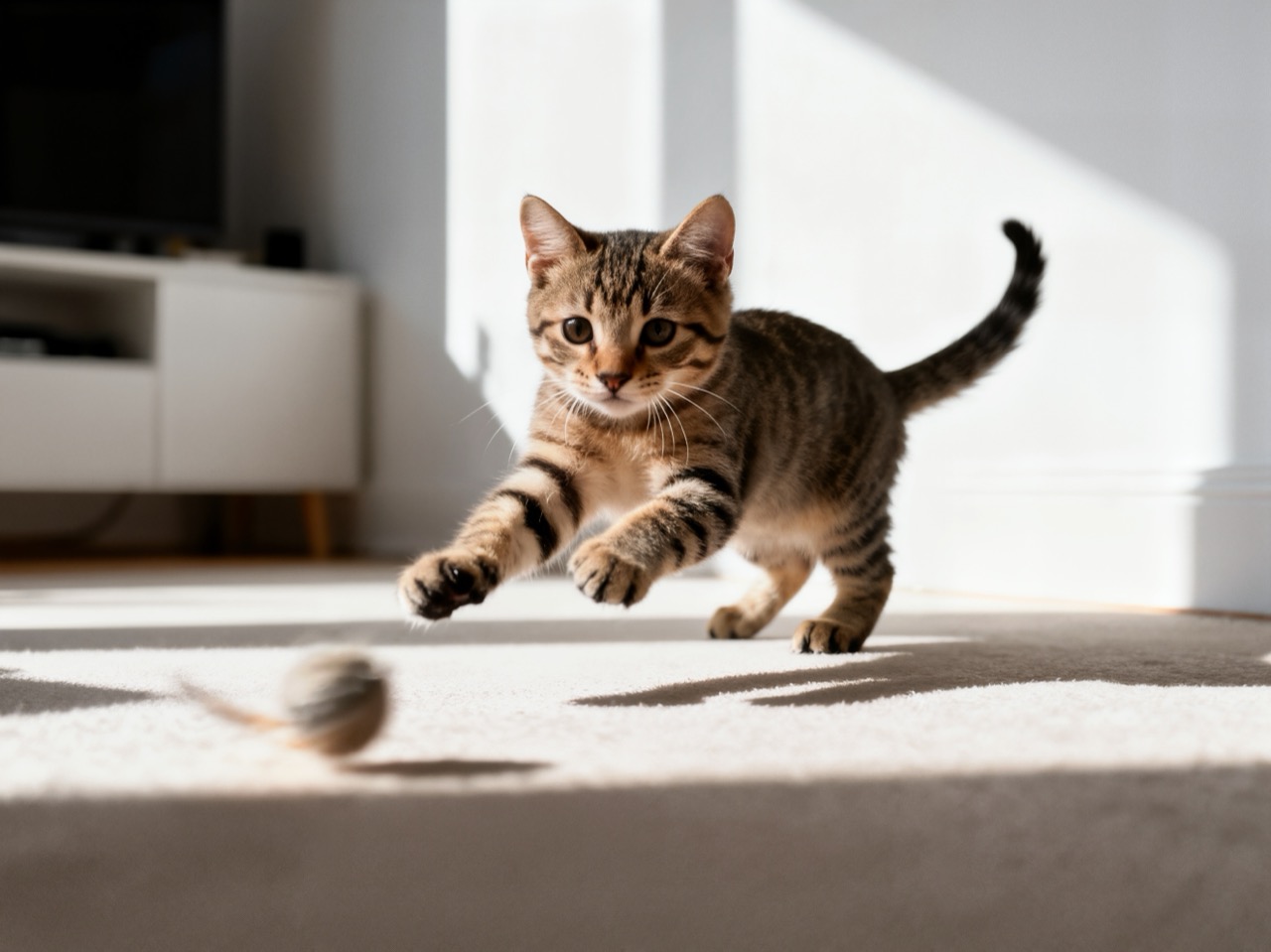
Behavior: Zoomies, Hunting, and the Food Bowl Debate Those sudden bursts of energy, often called zoomies, are normal. They can reflect play needs, stress relief, or a desire to practice hunting skills. Play that mimics stalking and pouncing is more than entertainment; it supports mental health and helps prevent boredom-related mischief.
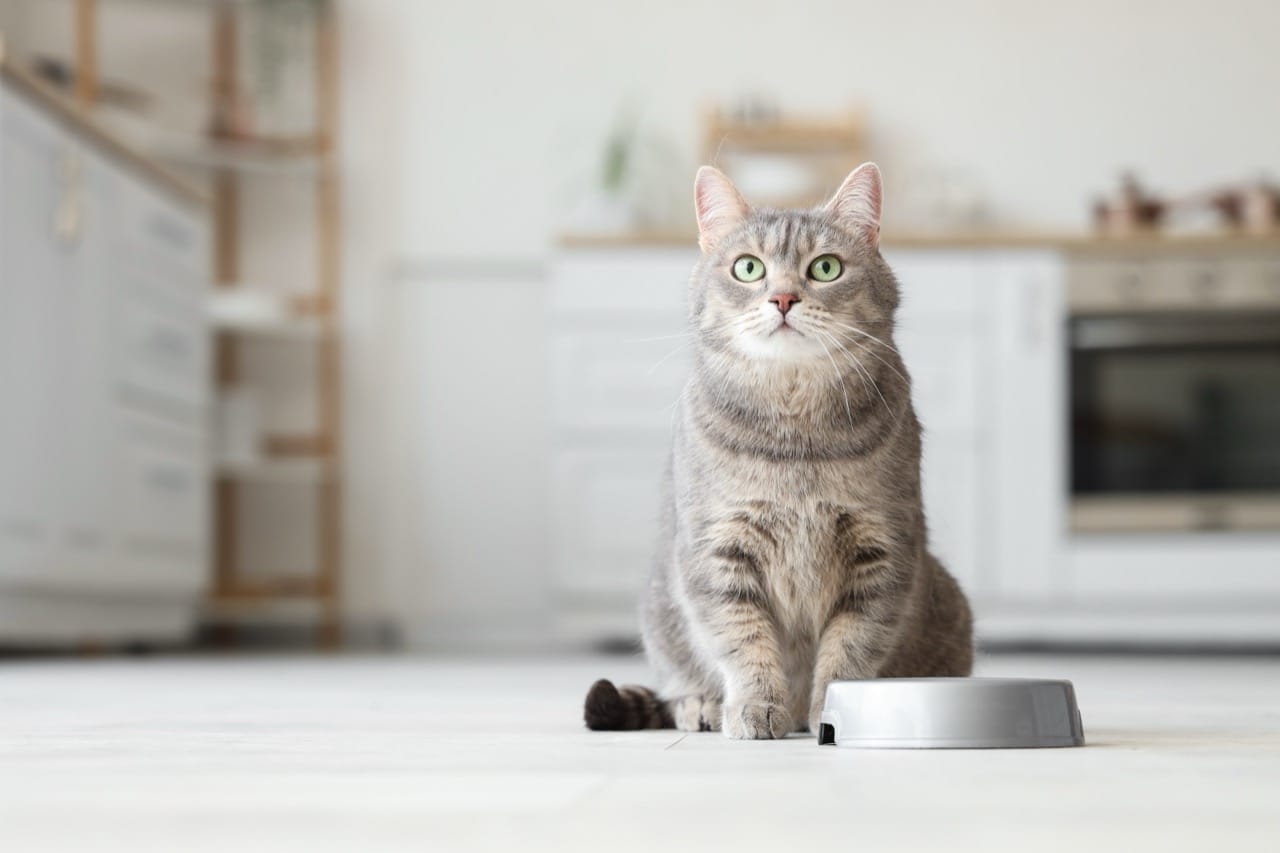
Cats are obligate carnivores, meaning they need nutrients found in animal tissue. This partly explains their strong preferences and why some seem deeply offended by changes to their food. Their eating style also reflects their origins as solitary hunters that catch multiple small meals. Puzzle feeders and scheduled play before meals can align with natural rhythms and reduce begging or bowl hovering.
From Temples and Ships to Sofas Cats likely began their partnership with humans when early farming communities attracted rodents. The most tolerant cats benefited from easy hunting grounds, and people benefited from pest control. Over time, cats gained symbolic roles in different cultures, sometimes revered and sometimes feared. Their practical value also made them common on ships, where they helped protect food stores. Today, many are indoor companions, still carrying the instincts of skilled predators in a home environment.
Conclusion Cats are not simply aloof or random. Their bodies are engineered for stealth, their signals are subtle but readable, and their habits make sense when viewed through the lens of hunting and history. The next time a cat appears silently at your feet or stares as if it knows your secrets, remember you are sharing space with a small, sophisticated carnivore that has mastered both survival and companionship.
.jpg)