Catpedia Knowledge Sprint








Quiz Complete!
Whiskerless Wonders Knowledge Sprint: A Quick Tour of the Feline World
Introduction Cats have a talent for seeming familiar and mysterious at the same time. One minute they are a warm, purring lap companion, and the next they are sprinting down a hallway at midnight as if chasing invisible prey. Behind those silky paws and sudden bursts of speed is a finely tuned hunter shaped by evolution, human history, and a surprising range of behaviors that still puzzle and delight us.
Ancient allies and working cats Long before cats became internet celebrities, they earned their place near people by doing a job. Early farming communities benefited from cats that hunted rodents around grain stores. In ancient Egypt, cats were admired and protected, and their image appeared in art and religion. Centuries later, cats traveled the world on ships, valued for keeping rats away from food and ropes. This working partnership helped cats spread across continents, creating the global companion animal we know today.
Built for stealth and speed A cat’s body is engineered for ambush. Their flexible spine and powerful hind legs allow quick acceleration and impressive jumps. Retractable claws protect sharp tips until the moment they need traction or a grip. Their whiskers are not just decoration; they are sensitive tools that detect air currents and help judge whether a cat can fit through a gap. If a cat loses whiskers, it may act less confident in tight spaces because it has lost a key measuring system.
Senses that read the room Cats experience the world through acute hearing and smell. Their ears can swivel to pinpoint faint sounds, including high frequencies made by small prey. Vision is adapted for low light, which is why cats often seem most active at dawn and dusk. They cannot see in total darkness, but their eyes gather light efficiently, and the reflective layer behind the retina helps them make the most of dim conditions.
Communication: slow blinks, tails, and purrs Cats communicate constantly, even when they seem aloof. A slow blink is often a relaxed signal, sometimes called a cat smile. Tail position can reveal mood: a tail held upright often signals friendly confidence, while a rapidly twitching tail can mean agitation or intense focus. Purring is usually linked to comfort, but cats may also purr when stressed or in pain, possibly as a self soothing mechanism. Meows are especially interesting because adult cats rarely meow at each other; many reserve meowing for communicating with humans.
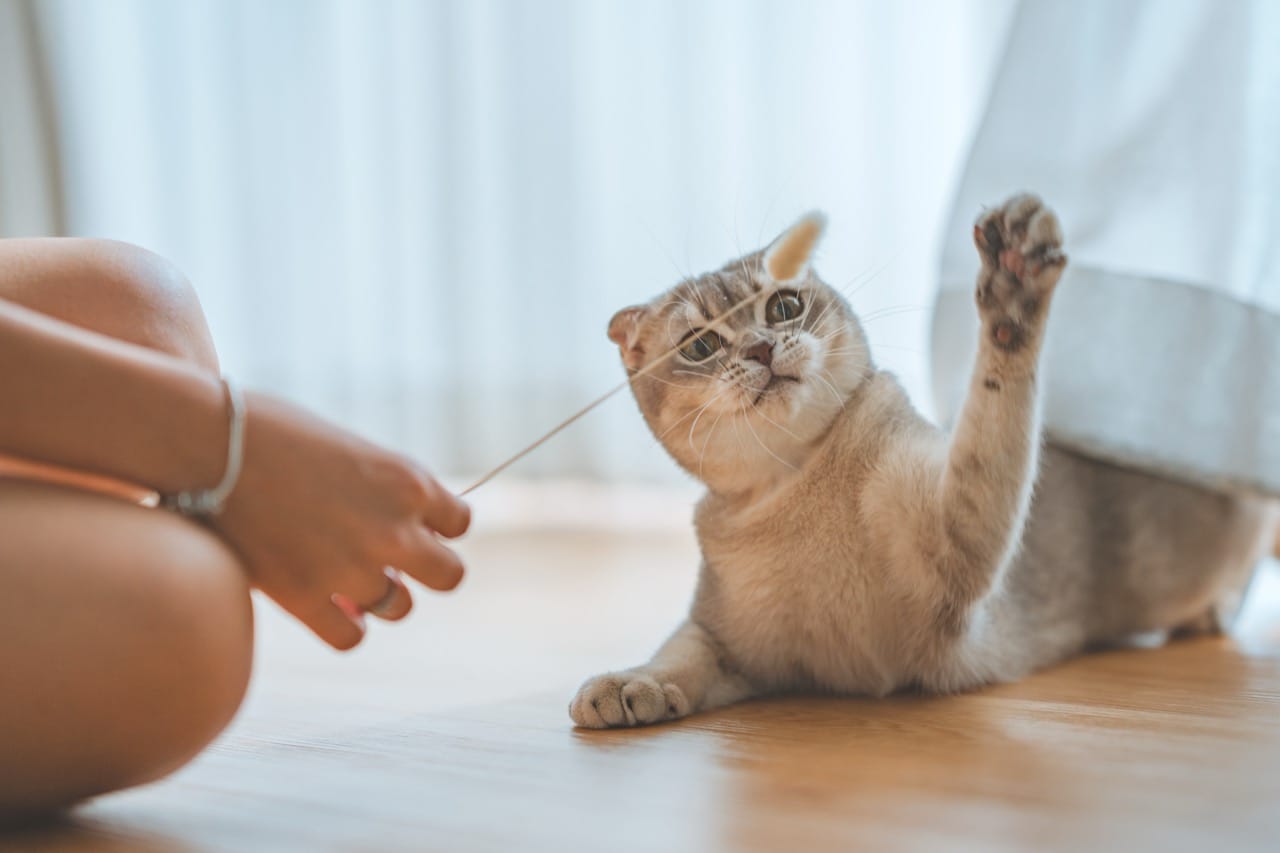
Quirky habits with practical roots Kneading, when a cat presses its paws rhythmically, is a behavior that begins in kittenhood to stimulate milk flow. In adults it can signal contentment, scent marking, or a desire to make a soft resting spot. Those sudden midnight zoomies often reflect stored energy and a natural hunting schedule. Even indoor cats may feel a strong urge to stalk, chase, and pounce, so play that mimics prey movement can help satisfy those instincts.
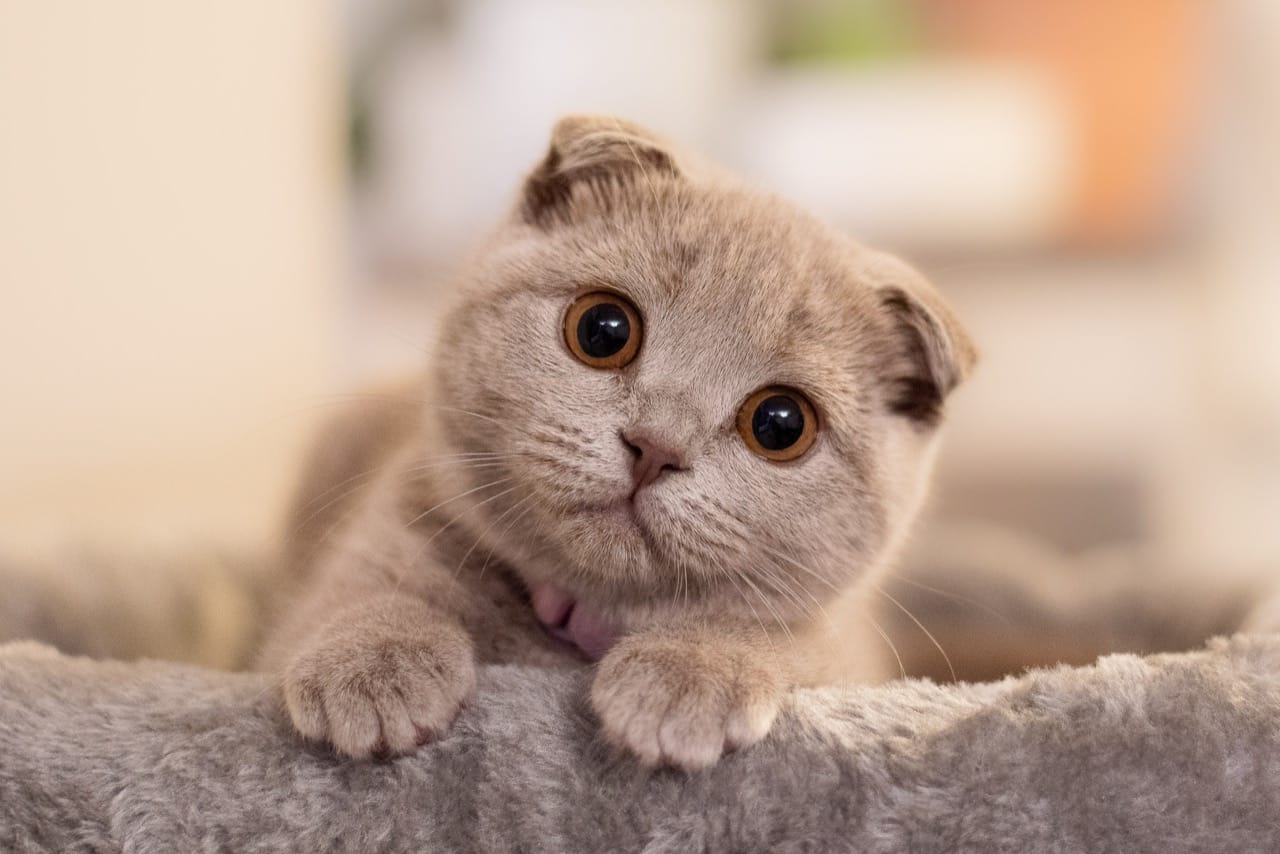
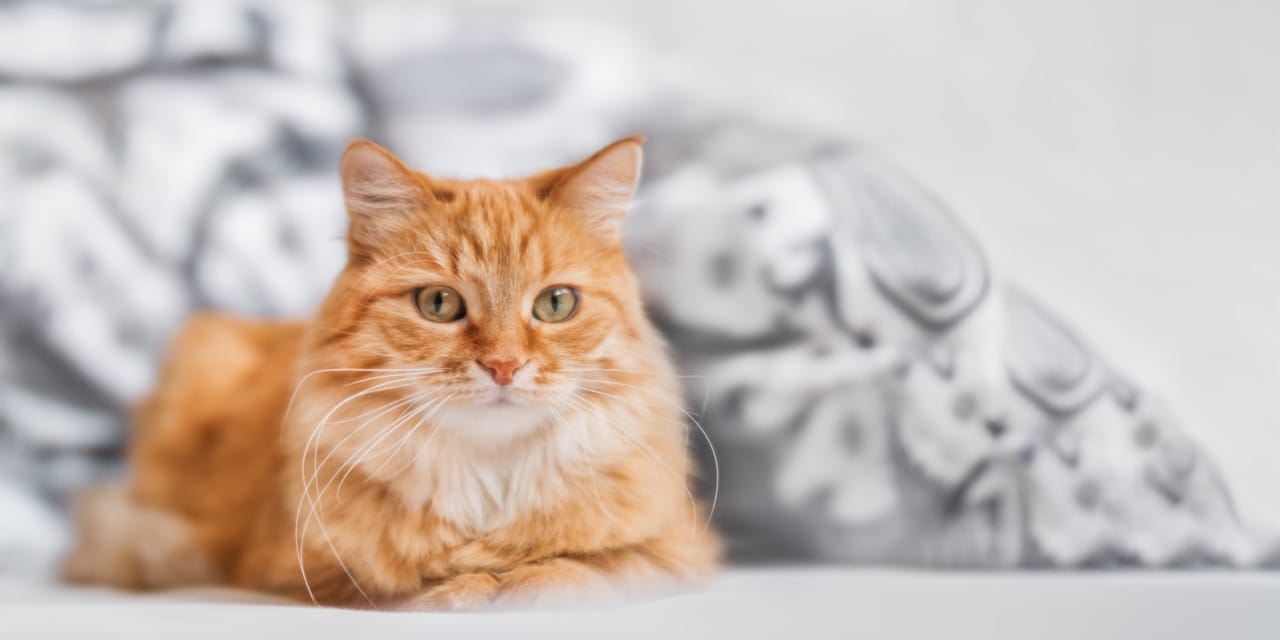
Breeds, genetics, and surprises Modern cat breeds highlight how genetics can shape appearance and behavior, from hairless varieties to cats with folded ears or unusually short legs. Coat color genetics can also be surprising; for example, many orange cats are male due to how the color trait is linked to sex chromosomes. Yet despite breed differences, most domestic cats share the same core toolkit: curiosity, agility, and a strong preference for controlling their environment.
Conclusion The feline world is a blend of ancient partnership and modern curiosity. Cats are not just cute companions; they are skilled predators, subtle communicators, and adaptable survivors. Paying attention to everyday clues like slow blinking, tail signals, and kneading reveals a rich language right in your living room. The more you learn, the more every purr, pause, and sudden sprint becomes part of a fascinating story.
.jpg)