Cat Science and Folklore Brain Teaser
Cats are equal parts athlete, hunter, nap champion, and mystery roommate. This quiz rounds up the fascinating details that hide behind everyday feline habits: how their senses work, why their bodies move the way they do, and what their behavior can tell you if you know what to look for. Expect a mix of biology, history, and a little cultural lore, from whiskers and vocalizations to ancient societies that shaped how humans viewed cats. Some questions are the kind you can reason out, others hinge on a surprising fact, and a few might make you rethink what you assumed about your own cat’s routines. Whether you are a lifelong cat person or just cat-curious, these ten questions are designed to be challenging, varied, and satisfying when you connect the dots.
1
What is the name of the specialized organ on the roof of a cat’s mouth used to analyze scent molecules, often triggered by the flehmen response?

2
What is the main reason cats knead with their paws when they are relaxed?

3
Which of the following best describes why cats can rotate their ears so effectively toward sounds?

4
In genetics, what is the term for cats born with extra toes, a trait famously associated with some cats in Key West?

5
What is the most accurate explanation for why many cats dislike water, even though some breeds tolerate it well?
6
Which ancient civilization is especially known for venerating cats and linking them with the goddess Bastet?
7
What is the primary function of a cat’s whiskers (vibrissae)?
8
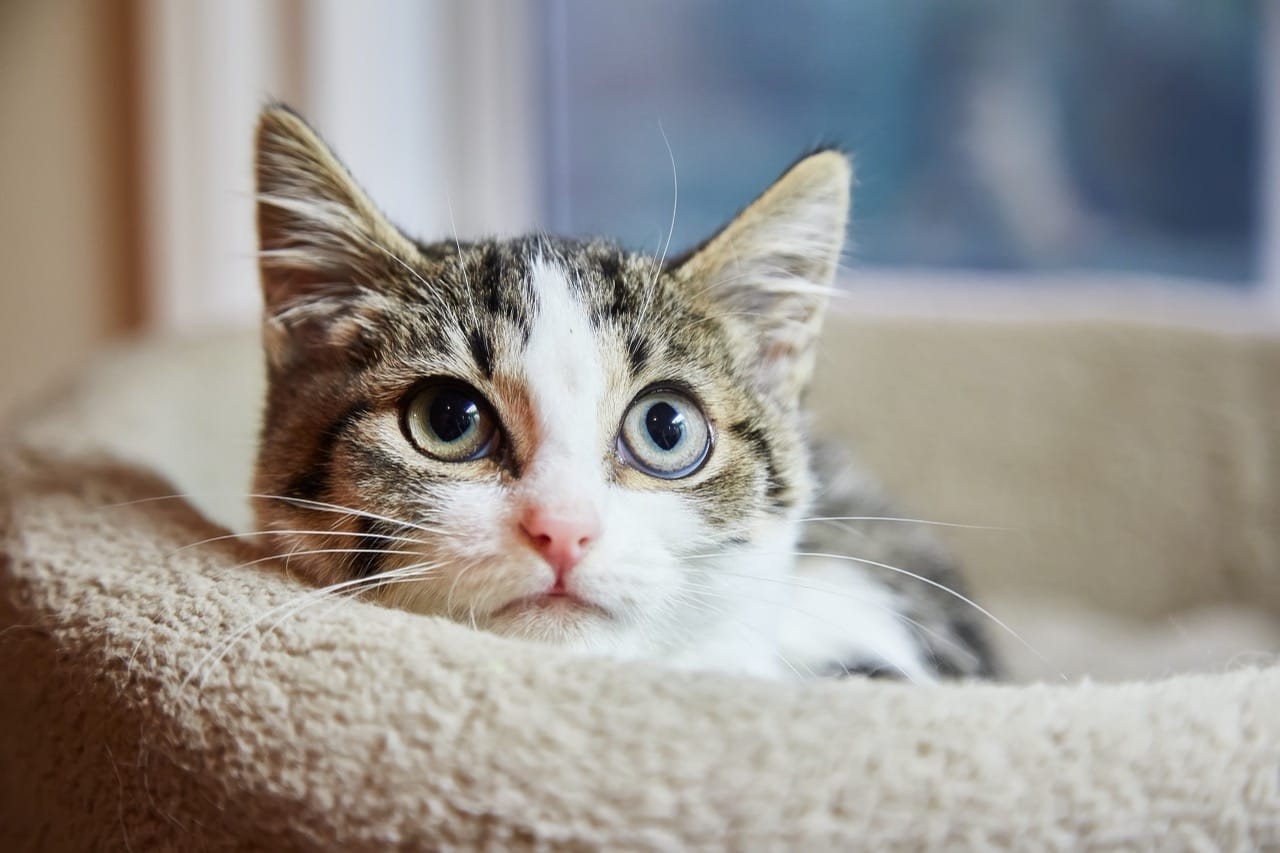
Which structure in a cat’s eye is primarily responsible for improved night vision by reflecting light back through the retina?
9
Which nutrient is considered essential in a cat’s diet because cats cannot synthesize enough of it on their own?
10
What is the typical number of toes on a cat’s front paws and hind paws?
0
out of 10
.jpg)