Cat Curiosities You Never Noticed


.jpg)

Quiz Complete!
Cat Curiosities You Never Noticed: The Real Science Behind Everyday Feline Weirdness
Cats have a gift for making ordinary moments look like a secret ritual. One minute they are calmly washing a paw, the next they are staring into a corner as if they have discovered a portal. A lot of these behaviors are not random at all. They are the result of a body built for stealth hunting, a brain tuned to subtle signals, and a long history of living alongside humans while still keeping a streak of independence.
Start with the classic wall stare. Cats notice tiny movements we miss, like the shadow of an insect, dust drifting in a sunbeam, or a faint reflection. Their hearing is also extremely sensitive, especially to higher frequencies, so a cat may be tracking a mouse behind a wall or a squeaky pipe you cannot hear. Even when nothing is there, a cat may be scanning territory the way a hunter does, checking for changes.
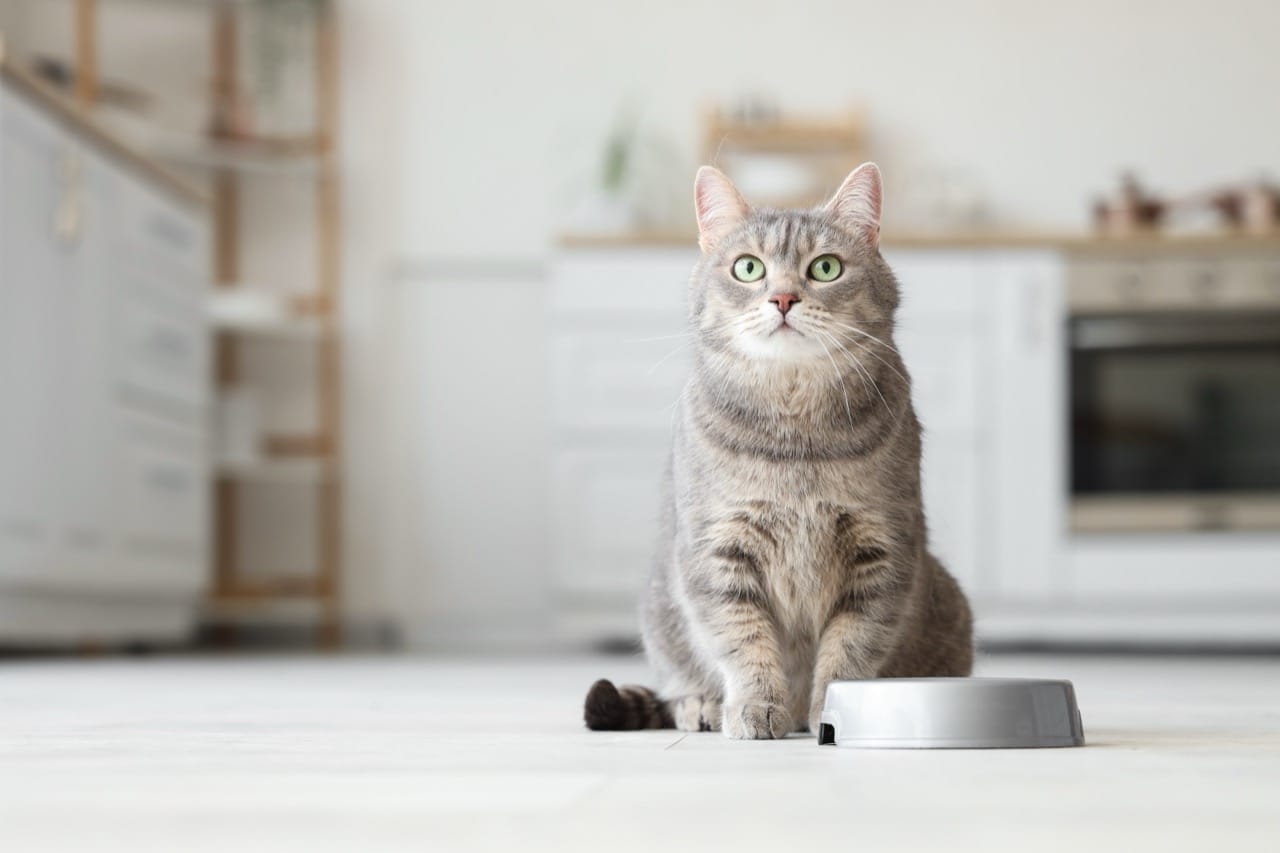
Whiskers are another everyday feature with a surprising job. They are not just decoration. Whiskers are specialized hairs that connect to nerves and help cats measure spaces and detect airflow changes. This is why cats can often judge whether they can fit through a gap without trying. Whisker stress is real too. When a food bowl presses on the whiskers, some cats become uncomfortable and may prefer a wide, shallow dish.
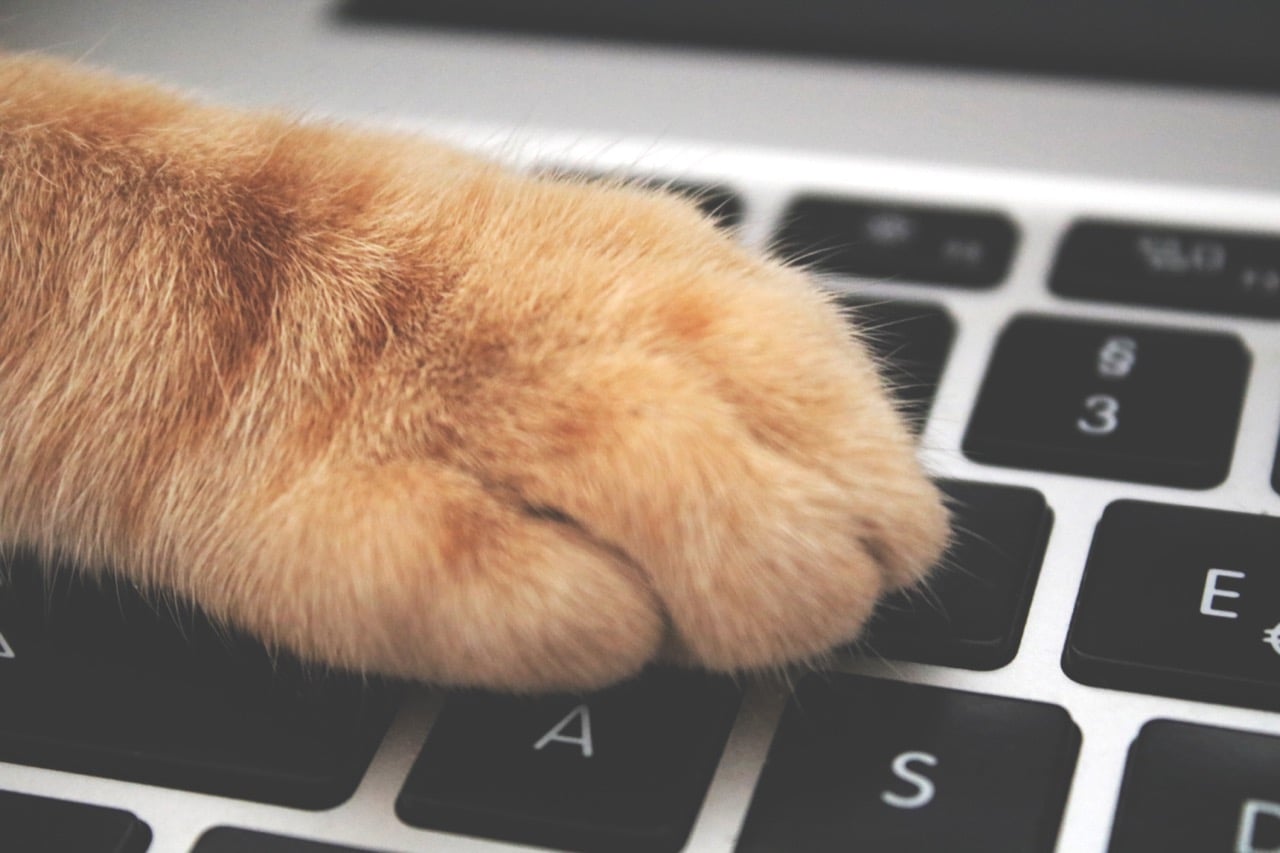
Kneading, the rhythmic pushing of paws into blankets or laps, is often linked to kittenhood. Kittens knead their mother to stimulate milk flow, and many adult cats keep the habit as a comfort behavior. It can also be a way of marking territory. Cats have scent glands in their paws, so kneading leaves a subtle signature that says this place is safe and familiar.
Purring is one of the most misunderstood sounds. Cats often purr when content, but they may also purr when stressed, injured, or seeking reassurance. Some researchers think purring may help cats calm themselves or communicate that they are not a threat. The low-frequency vibrations have also been studied for potential links to tissue healing, though the full story is still being explored.
A cat’s athleticism comes from anatomy designed for ambush. Their flexible spine and powerful hind legs create explosive bursts of speed and impressive jumps. Retractable claws help them climb and grip without wearing down the tips while walking. Their rough tongue, covered in tiny backward-facing spines, acts like a built-in comb for grooming and helps strip meat from bones.
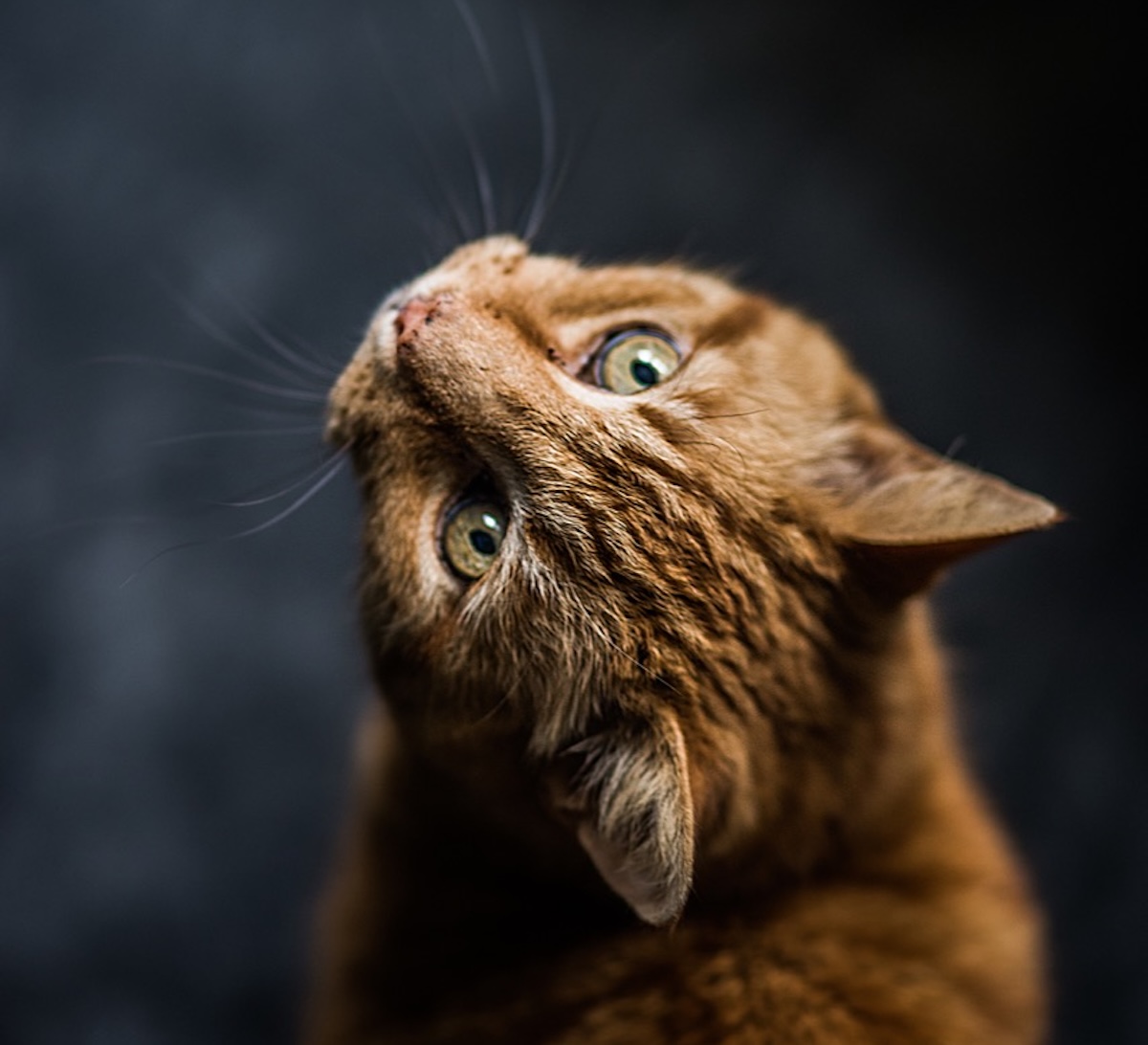
Night vision is another superpower with limits. Cats see far better than humans in low light because their eyes have a reflective layer called the tapetum lucidum, which bounces light back through the retina. They also have many rod cells for dim conditions. However, cats do not see in complete darkness, and their color vision is more muted than ours, with a stronger sensitivity to blues and greens.
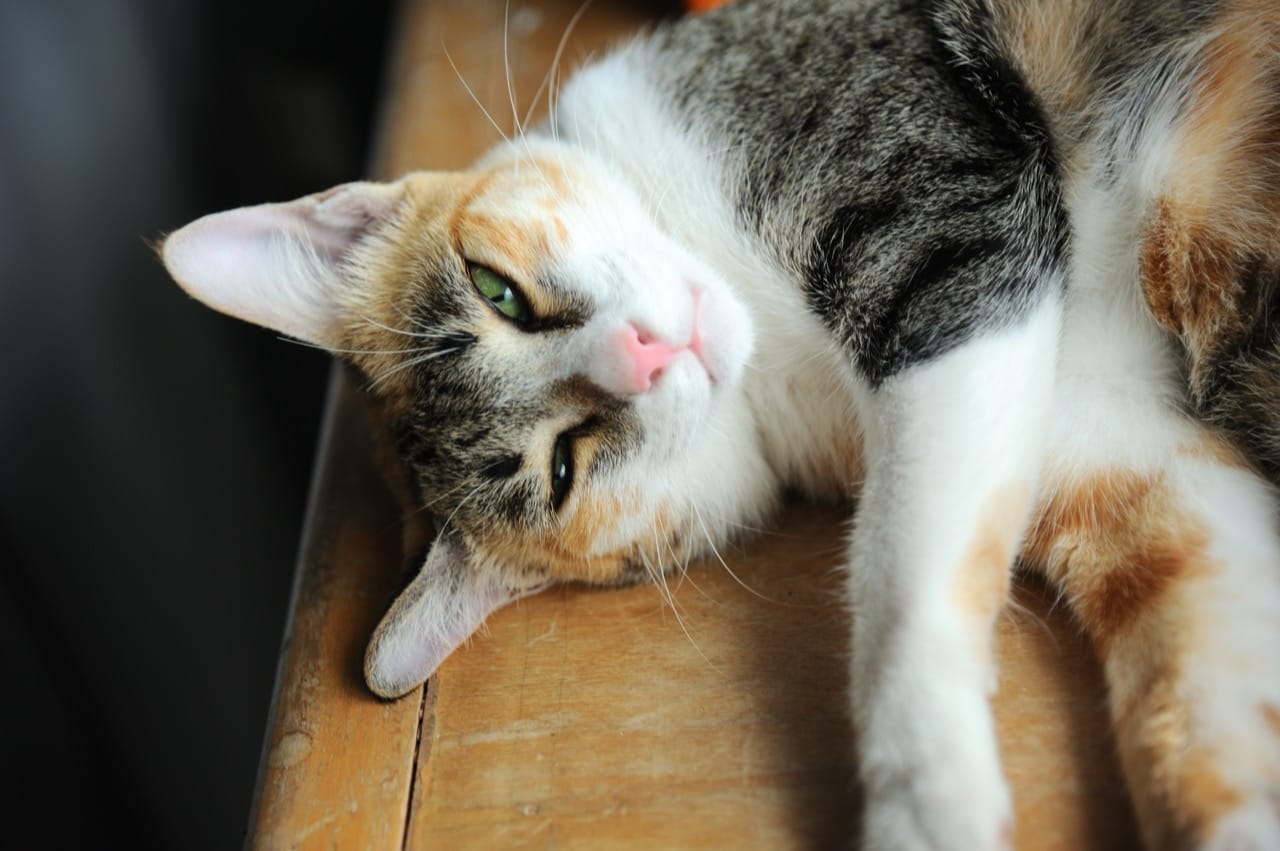
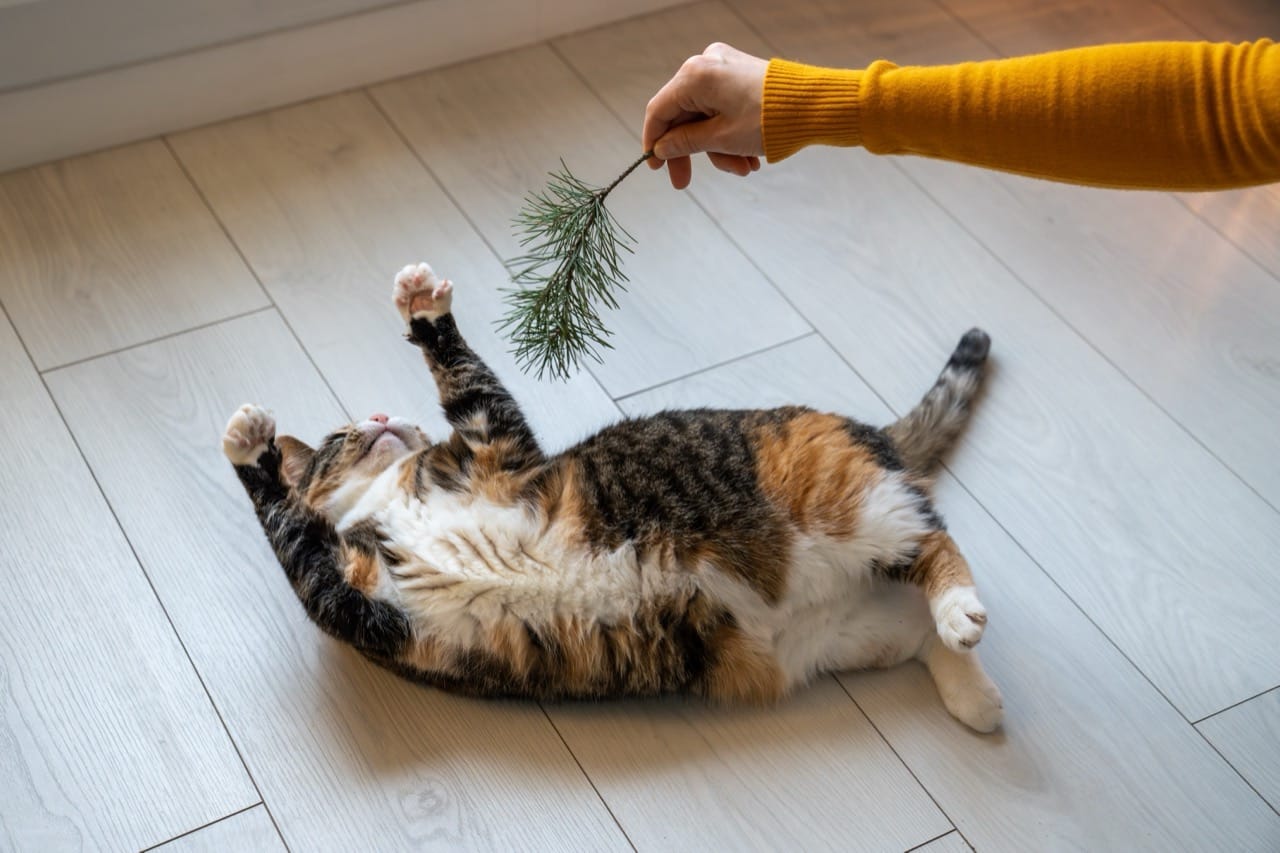
Communication is subtle and often tailored to humans. Meowing is common in kittens but many adult cats mainly use it with people, almost like a learned social tool. Slow blinking can signal trust and relaxation. A raised tail with a gentle curve is usually a friendly greeting, while a twitching tail can mean agitation. Even the famous belly display is not always an invitation to pet; it can be a sign of comfort paired with readiness to defend.
Cats also carry ancient history in their habits. Domestic cats likely descended from wildcats in the Near East, where they began living near early farming communities that attracted rodents. Over time, cats that tolerated humans had an advantage, and a loose partnership formed. That mix of self-sufficiency and social adaptability still shows up in the modern house cat.
Once you notice the reasons behind the quirks, cats become even more fascinating. The wall stares, the kneading, the purrs, and the sudden athletic stunts are all clues to a creature shaped by evolution to be alert, efficient, and quietly expressive. The next time your cat does something odd, you may be watching a tiny piece of biology and history playing out right in your living room.
.jpg)