Cat Connoisseur Knowledge Gauntlet







.jpg)


Quiz Complete!
Inside the Secret Life of Cats: Senses, Signals, and Surprising Science

Introduction Cats can look like effortless couch ornaments one minute and miniature predators the next. That switch from stillness to sudden sprint is not just attitude; it is biology in action. From the way they see in dim light to the meaning of an ear flick, feline behavior is a mix of finely tuned instincts and a long history of living near people.
Senses built for stalking A cat’s eyes are designed to excel at low light, thanks to a reflective layer behind the retina that bounces light back through the eye. This makes movement easier to detect at night, though cats do not see in total darkness. Their vision is also more sensitive to motion than fine detail, which helps explain why a wiggling string is irresistible while a still toy may be ignored.
Whiskers are not decoration. These stiff hairs are sensory tools that detect air currents and nearby objects, helping cats judge spaces and navigate in the dark. Whisker stress is a real issue for some cats; if a bowl is too narrow, repeated whisker contact can be irritating, leading to picky eating.
Ears that point, pivot, and translate Cats can rotate their ears to pinpoint sound with impressive accuracy. Those quick ear swivels are like radar adjusting to a signal. An ear flick can mean mild annoyance, intense concentration, or a response to a faint noise you cannot hear. Watching the ears along with the tail and body posture gives a clearer picture than any single sign.
Purring, meowing, and silent conversations Purring is often associated with contentment, but cats also purr when stressed, injured, or seeking comfort. Scientists think purring may help with self soothing and may even support healing, since the vibrations fall within ranges that can influence bone and tissue in other contexts. Meowing, on the other hand, is largely a cat to human habit. Adult cats do not usually meow at each other much; many reserve it for communicating with people, and some learn which sounds get the fastest response.
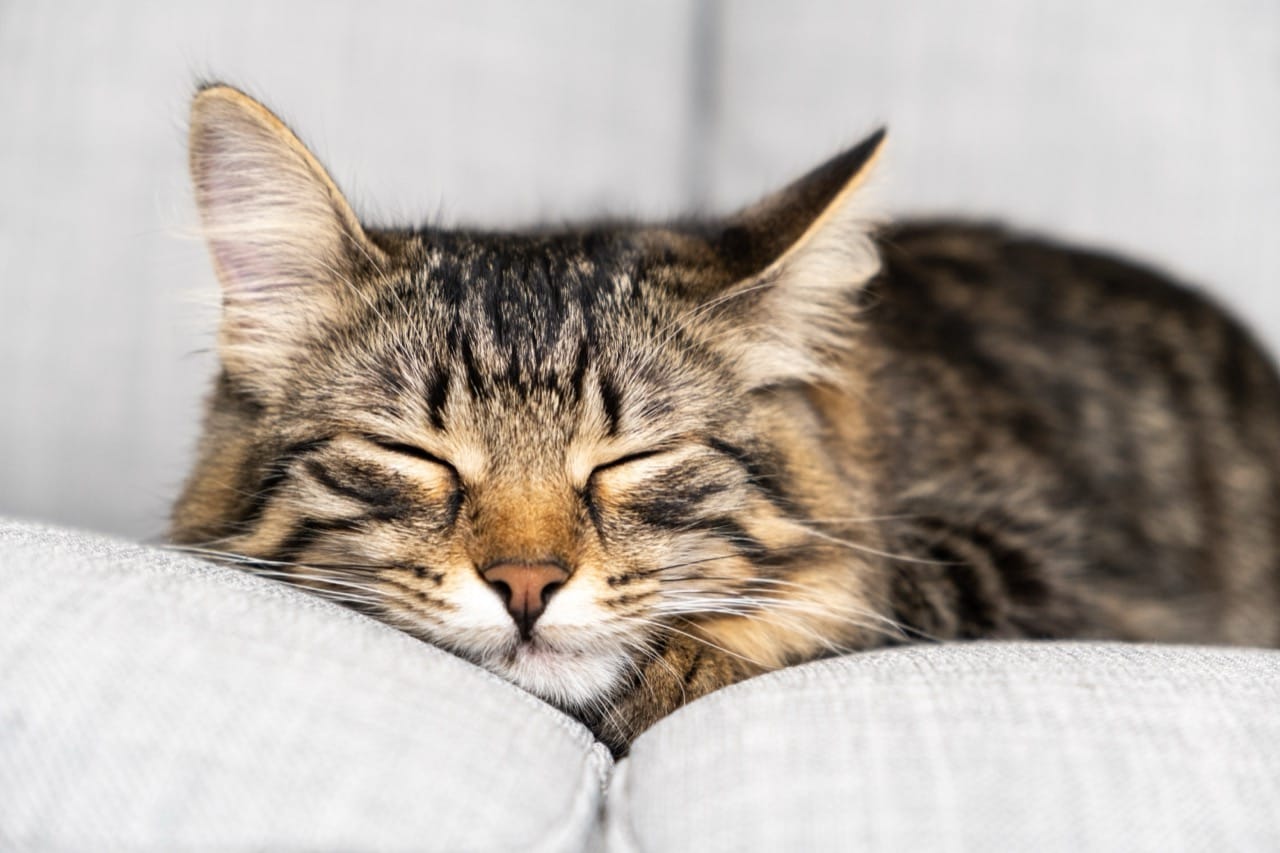
Slow blinking is one of the friendliest cat signals. It is often described as a feline version of a smile. Returning a slow blink can be a low pressure way to build trust, especially with shy cats.
Grooming, scent, and social rules Cats groom to stay clean, regulate temperature, and spread scent. Their tongues are covered in tiny backward facing spines that act like combs. Grooming can also be social: cats that trust each other may allogroom, especially around the head and neck where self grooming is harder.
Scent is a major part of how cats map their world. Rubbing cheeks on furniture or your legs deposits pheromones from facial glands, marking familiar safe territory. Scratching does more than sharpen claws; it leaves visual marks and scent from glands in the paws.
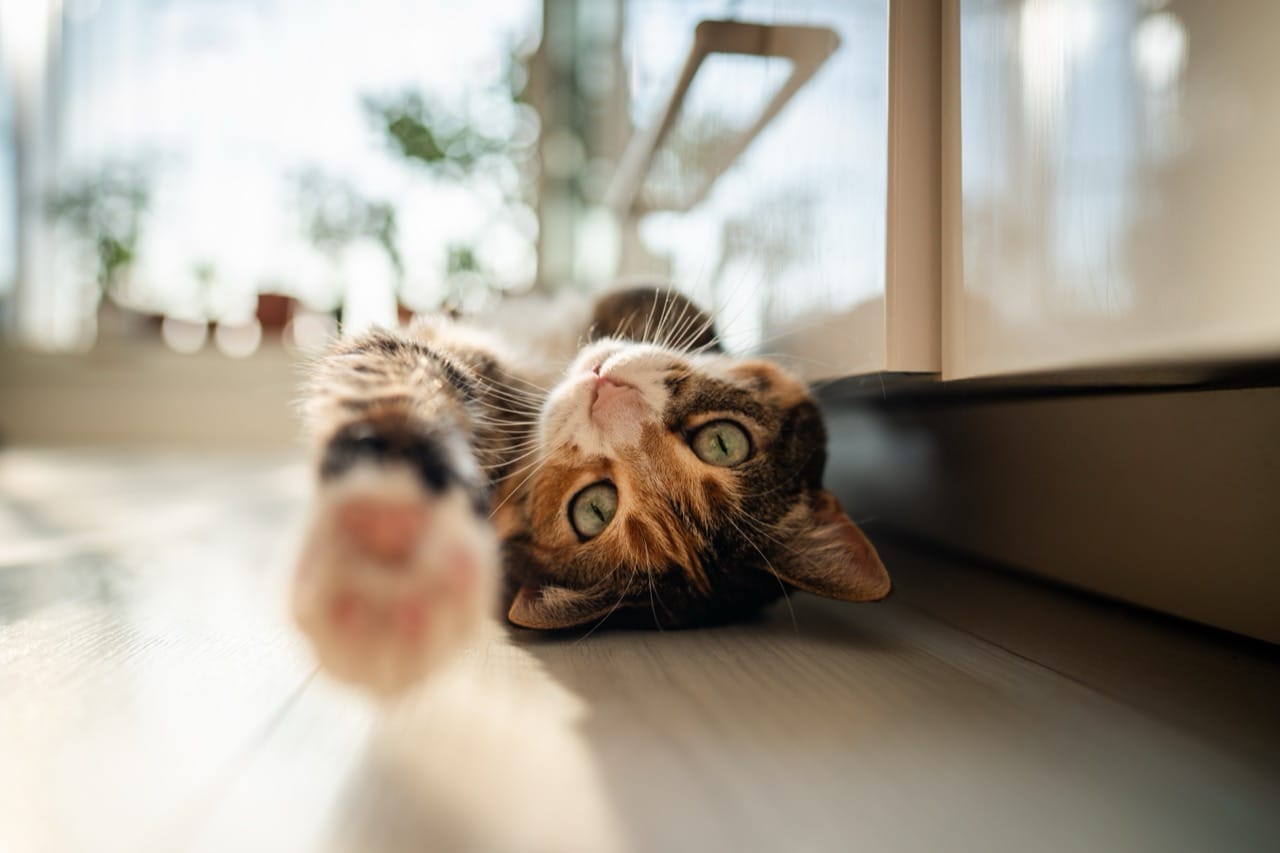
Hunting instincts on a living room schedule Even well fed cats retain a strong prey drive. Many prefer multiple small meals because their ancestors hunted small animals throughout the day. Play that mimics stalking, chasing, and pouncing is not just entertainment; it is practice for natural behaviors and a healthy outlet for energy.
Conclusion Cats are not mysterious because they are unknowable; they are mysterious because they communicate in subtle ways and experience the world through specialized senses. Understanding whiskers, ears, purrs, and hunting instincts turns everyday quirks into a readable language. The more you learn, the more that unblinking stare starts to look less like judgment and more like focused curiosity.




.jpg)