Cat Companion Essentials Quiz








Quiz Complete!
Whiskerless Wonders at Home: Essential Cat Care and Curious Facts

Introduction Cats may look like effortless roommates, but their calm confidence hides a world of instincts and needs shaped by their wild ancestors. Understanding what your feline friend is saying, how to meet daily care basics, and how to prevent common problems makes life better for both of you. Whether you live with a playful kitten or a dignified nap expert, the essentials come down to communication, routine, and a home that supports natural behavior.
Body Language and Silent Communication Cats communicate constantly without making a sound. A relaxed cat often holds its tail upright with a gentle curve at the tip, while a puffed tail signals fear or high arousal. Slow blinking is a friendly gesture, sometimes called a cat kiss, and you can return it to build trust. Ears angled forward suggest interest, but ears flattened sideways or back can mean stress or irritation. Purring usually signals comfort, yet some cats also purr when anxious or in pain, so context matters. Kneading with the paws is a leftover kitten behavior linked to nursing and comfort, and it often appears when a cat feels safe.
Daily Care Essentials: Litter, Grooming, and Routine A clean litter box is one of the most important parts of indoor comfort. Many cats refuse a dirty box, which can lead to accidents and stress. A common guideline is one box per cat plus one extra, placed in quiet, accessible locations. Grooming needs vary by coat type, but regular brushing reduces hairballs and helps you notice skin issues early. Nails should be trimmed as needed, especially for indoor cats, and scratching posts are not optional furniture. Scratching maintains claw health, stretches the body, and marks territory with scent glands in the paws.
Nutrition and Hydration: More Than Just a Bowl of Kibble Cats are obligate carnivores, meaning they require nutrients found in animal tissue, including taurine. A balanced commercial diet labeled complete and balanced is a reliable foundation. Portion control matters because indoor cats can gain weight easily, and obesity increases the risk of diabetes, joint pain, and urinary issues. Many cats do not drink enough water, so adding wet food, using water fountains, or placing multiple water stations can improve hydration. Sudden diet changes can upset digestion, so transitions should be gradual.
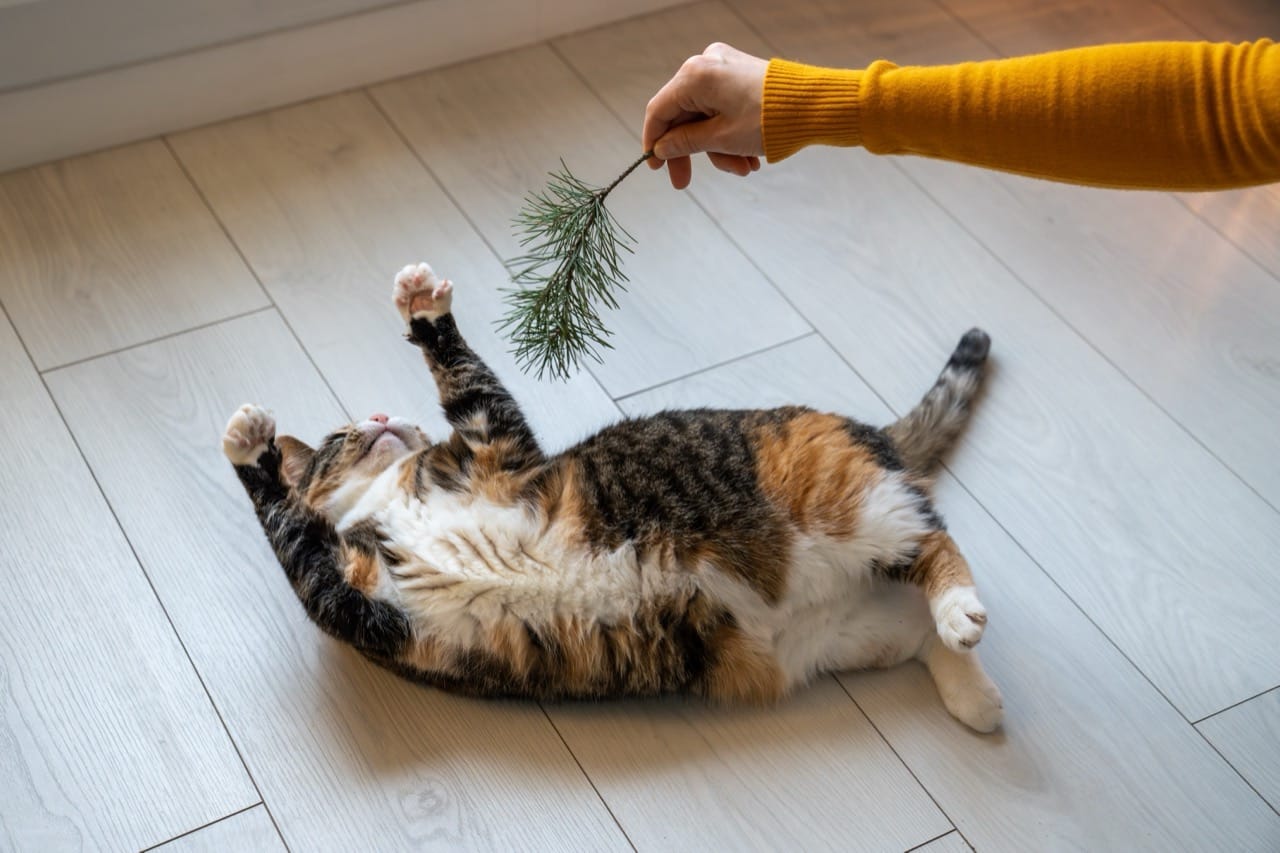
Enrichment and Natural Behaviors Indoors That cardboard box obsession is not silliness, it is security. Small enclosed spaces help cats feel safe and reduce stress. Indoor enrichment should mimic hunting and exploring. Short play sessions with wand toys, puzzle feeders, and rotating toys keep the brain engaged and the body active. Vertical space matters too. Cat trees, shelves, and window perches allow climbing, surveying, and retreating. Even a few minutes of daily interactive play can reduce nighttime zoomies, boredom, and unwanted scratching.
Common Health Concerns to Watch For Cats are experts at hiding illness, so subtle changes matter. Watch for decreased appetite, hiding, changes in litter box habits, vomiting beyond an occasional hairball, or reduced grooming. Dental disease is common and can cause pain and appetite changes, so dental care and veterinary checks are important. Urinary tract issues can become emergencies, especially in male cats, if they strain to urinate or visit the box repeatedly with little output. Regular wellness visits and vaccinations help prevent problems that are easier to treat early.
Conclusion Living with a cat is a daily lesson in quiet communication and clever instincts. When you provide clean resources, proper nutrition, safe enrichment, and attentive health monitoring, you support the same natural behaviors that once helped cats thrive outdoors. The reward is a confident companion who feels secure enough to play, relax, and turn your home into their favorite territory, one cardboard box at a time.



.jpg)