Can You Outsmart a House Cat




Quiz Complete!
Can You Outsmart a House Cat A Friendly Guide to Feline Facts
Introduction House cats feel like a paradox: they sleep on your sofa yet act as if they are visiting royalty. That mix of familiarity and mystery is exactly why cat trivia can be surprisingly challenging. Understanding what cats are built to do, how they communicate, and where their quirks come from makes it easier to predict their behavior and separate real biology from cartoon myths.
How cats communicate without saying a word Cats speak in a layered system of signals. A slow blink is often a sign of comfort and trust, while a fixed stare can be a challenge. Ears are another quick clue: forward ears suggest interest, sideways ears can mean uncertainty, and flattened ears often signal fear or irritation. The tail is not a simple mood meter. A high tail usually shows confidence, but a twitching tip can indicate intense focus or agitation. Purring is famously confusing because it can occur during contentment and also during stress or pain, possibly as a self soothing mechanism.
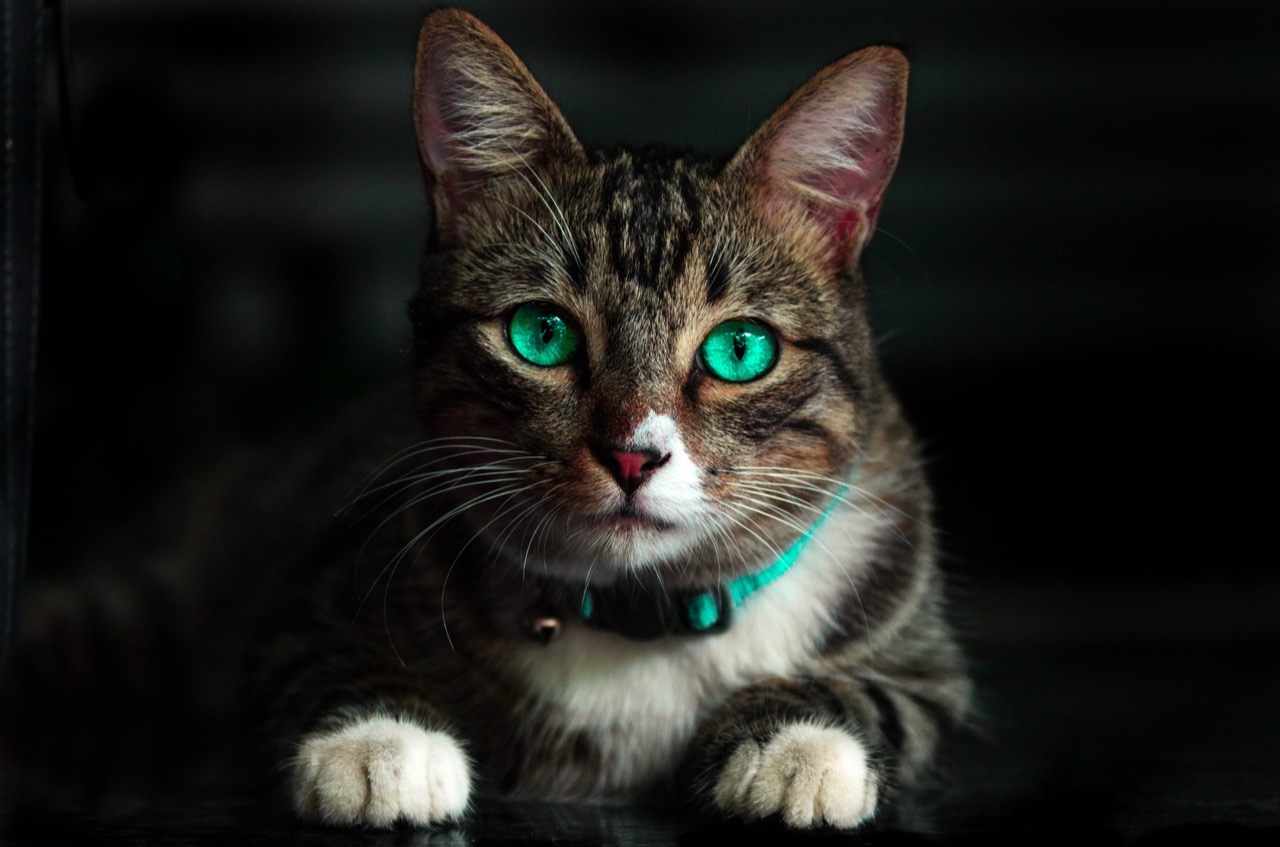
Built for hunting, not for pleasing you Many cat behaviors make more sense when you remember they are small ambush predators. Their whiskers help them judge openings and detect subtle air currents. Their eyes are adapted for low light, not total darkness, and their vertical pupils help control light entry while supporting depth judgment during a pounce. Cats can rotate their ears to pinpoint sounds, which is useful for tracking prey. Their claws are designed for gripping and climbing, and scratching is not misbehavior so much as maintenance and messaging: it removes old claw sheaths, stretches muscles, and leaves both visual marks and scent cues from glands in the paws.
The truth behind common myths Cats do not always land on their feet, though they often can right themselves thanks to a flexible spine and a balance system in the inner ear. The righting reflex needs enough time and height to work, and injuries can still happen. Another myth is that milk is a perfect treat. Many adult cats are lactose intolerant, so milk can cause digestive upset. And while cats may seem aloof, they are capable of strong social bonds. Some cats greet their people with head bumps and cheek rubs, which are friendly scent marking behaviors.
Why cats act unimpressed and still run the household Cats are selective with attention because their survival strategy favors caution. They may ignore a call not because they cannot learn their name, but because they are weighing whether responding is worth it. Training is possible, especially with short sessions and rewards, but cats generally prefer choice and predictability. Play that mimics hunting, such as stalking and short bursts of chasing, fits their natural rhythm better than long endurance games.
A brief look at how cats became our roommates Domestic cats likely spread by following rodents into early farming communities, where people tolerated and then valued their pest control skills. This history helps explain their independent streak: cats were never bred to work in coordinated groups the way some dogs were. They adapted to living near humans while keeping much of their solitary hunting toolkit.
Conclusion To outsmart a house cat, you do not need secret tricks. You need accurate facts and a willingness to see the world from a cat’s perspective. When you understand their signals, their bodies, and their history, their odd habits become logical, and the mystery turns into something even better: respect for an animal that mastered the art of living with humans on its own terms.
.jpg)