Behind the Meow Cat Mysteries Revealed


.jpg)


Quiz Complete!
Whisker Whodunit: Cat Facts That Explain the Mystery Roommate
Introduction Cats have a talent for feeling both familiar and unknowable. One minute they are sprinting down a hallway like tiny athletes, and the next they are asleep in a sunbeam as if napping were a competitive sport. The fun of learning cat facts is that many odd behaviors have practical roots in biology and history. Understanding how cats sense the world, communicate, and move can make their everyday quirks feel less random and a lot more impressive.
How cats communicate without saying a word Cats speak with their whole bodies. A slow blink is often a sign of comfort and trust, while a stiff posture and fixed stare can signal tension. Tail position matters too: a tail held upright is commonly a friendly greeting, but a puffed tail is a classic fear response meant to look larger. Purring is usually associated with contentment, yet cats may also purr when stressed or in pain, possibly as a self calming signal. Meowing is especially interesting because adult cats rarely meow at each other. Many researchers think meows are a social tool cats developed to communicate with humans, and cats often adjust the pitch or rhythm depending on what gets results.
Built in athletic gear A cat’s body is designed for short bursts of speed and precision. Their flexible spine and powerful hind legs help them leap several times their own height. Claws are retractable, which keeps them sharp and allows silent movement. Whiskers are not just decoration; they are highly sensitive touch sensors that help cats judge openings, track airflow, and navigate in low light. Cats also have a special balancing system in the inner ear and a righting reflex that helps them rotate in midair, which is one reason they can often land on their feet when falling from a height.
Senses that run the household Cats experience the world differently than we do. Their night vision is aided by a reflective layer behind the retina that boosts available light, which is why eyes can seem to glow in the dark. They see well in dim conditions, though not in total darkness. Hearing is another superpower: cats can detect high frequency sounds beyond human range, useful for locating small prey. Smell is crucial too, and cats have an extra scent system called the vomeronasal organ. When you see a cat make a funny open mouthed face, called the flehmen response, it may be analyzing chemical signals in the air.
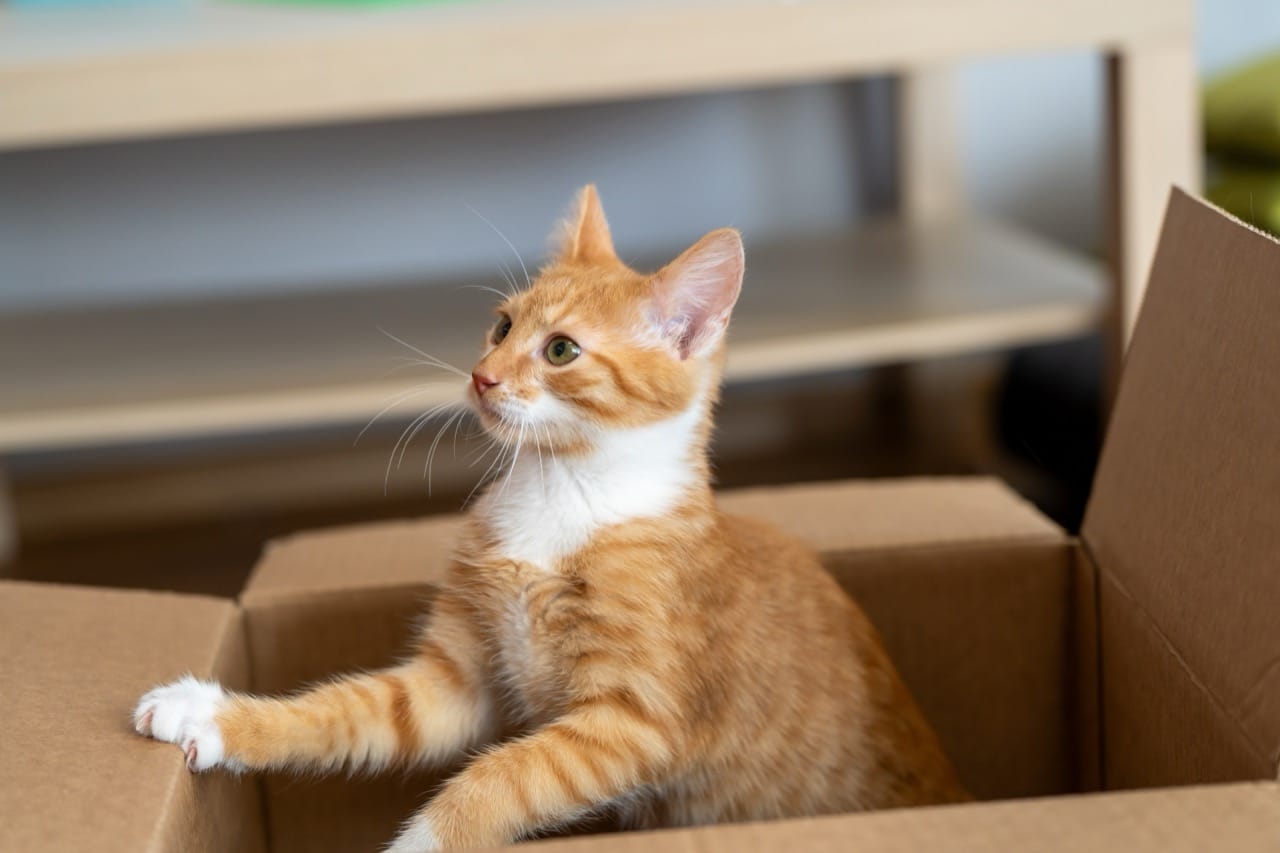
Everyday weirdness with a purpose Kneading, the rhythmic pressing of paws, traces back to kittenhood when nursing helped stimulate milk flow. Many adult cats keep the habit as a comfort behavior. Scratching is not spite; it is maintenance and messaging. It sheds old claw sheaths, stretches muscles, and leaves both visual marks and scent from glands in the paws. Cats also rub their cheeks on furniture and people to deposit friendly scent markers. Even the urge to sit in boxes has logic: tight spaces provide warmth, security, and a good hiding spot for a predator that also prefers to avoid being surprised.
A brief history of the modern cat Domestic cats likely began their partnership with humans when early farming communities attracted rodents. Wildcats that tolerated people gained easy hunting opportunities, and over time a loose relationship formed. Unlike many domestic animals, cats were not heavily shaped for specific jobs until relatively recently. That is why many house cats still resemble their wild ancestors and retain strong hunting instincts, even if dinner arrives in a bowl.
Conclusion Cats may act like mysterious roommates, but their behavior is often a clever mix of instinct, anatomy, and learned communication. When you notice a slow blink, a whisker twitch, or a sudden sprint, you are seeing an animal finely tuned for sensing, stalking, and surviving. Knowing the facts makes the quirks more entertaining, and it can also help you respond in ways your cat understands. The more you learn, the less baffling your cat becomes, and the more impressive they seem.
.jpg)