Alley Cat Trivia Sprint







Quiz Complete!
Whiskerless Wonders: The Secret Life of Our Agile Feline Neighbors

Introduction Cats have a talent for seeming mysterious even when they are sprawled across the sofa in full view. One minute they are silent shadows, the next they are sprinting down a hallway for reasons known only to them. Behind the dramatic stares and sudden zoomies is a real story of biology, communication, and a partnership with humans that stretches back thousands of years. Understanding a few key facts can make their quirks feel less random and a lot more impressive.
From granaries to living rooms Domestic cats likely began their close relationship with people when early farming communities stored grain, attracting rodents. Wildcats that tolerated human activity gained reliable hunting grounds, and humans benefited from pest control. This practical arrangement traveled widely. On ships, cats helped protect food stores and ropes from rats, making them valuable crewmates long before they became internet celebrities. Over time, people selectively bred cats for appearance or temperament, but many cats still retain the independent hunting instincts of their ancestors.
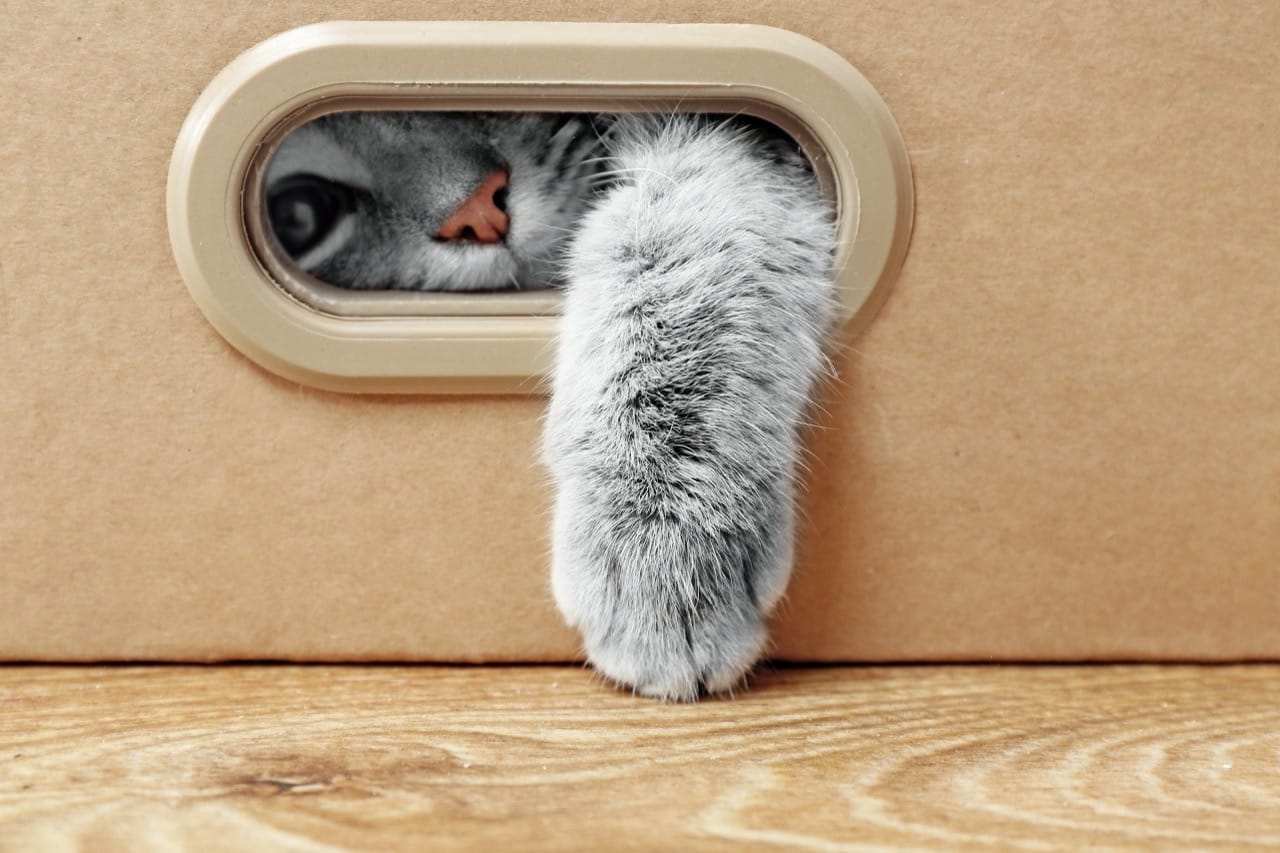
Built for stealth and sudden speed Cats are designed for ambush. Their flexible spine and powerful hind legs allow explosive acceleration and high jumps relative to body size. Their paws are padded for quiet movement, and retractable claws stay sharp for gripping prey or climbing. A cat’s whiskers, when present, are not decorative. They are sensitive tools that help gauge openings and detect nearby air currents. Even whiskerless breeds rely on other touch receptors around the face and body, but they may be more cautious in tight spaces.
Senses that shape their world Cats see well in low light thanks to a reflective layer in the eye that bounces light back through the retina. This is why their eyes can appear to glow in the dark. Their vision is tuned for detecting motion, which helps explain why a tiny moving string can become an irresistible target. Hearing is equally impressive. Cats can detect high frequency sounds that are beyond human range, useful for locating small prey. Smell matters too, and they use a special organ in the roof of the mouth to analyze scents. When a cat makes a funny open mouthed face after sniffing something, it is often processing chemical information rather than acting disgusted.
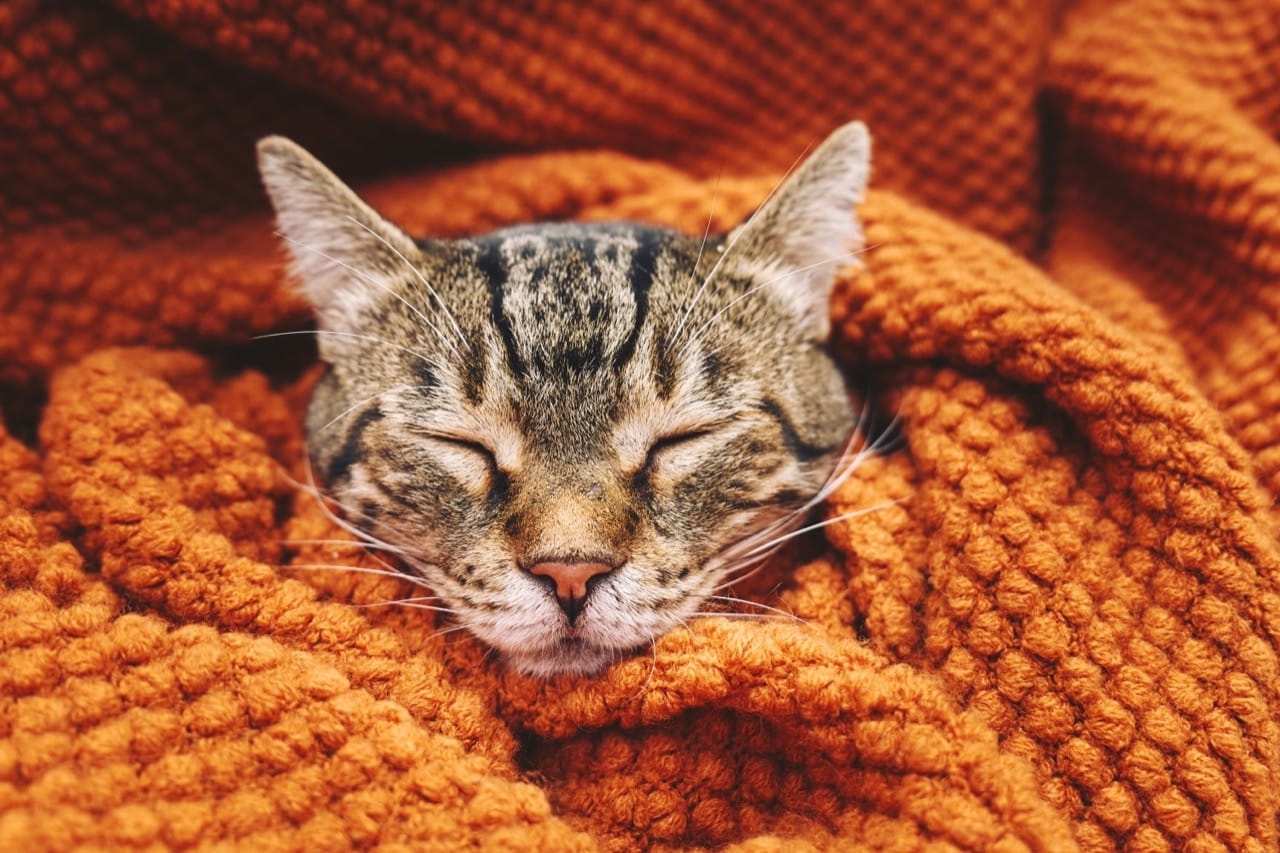
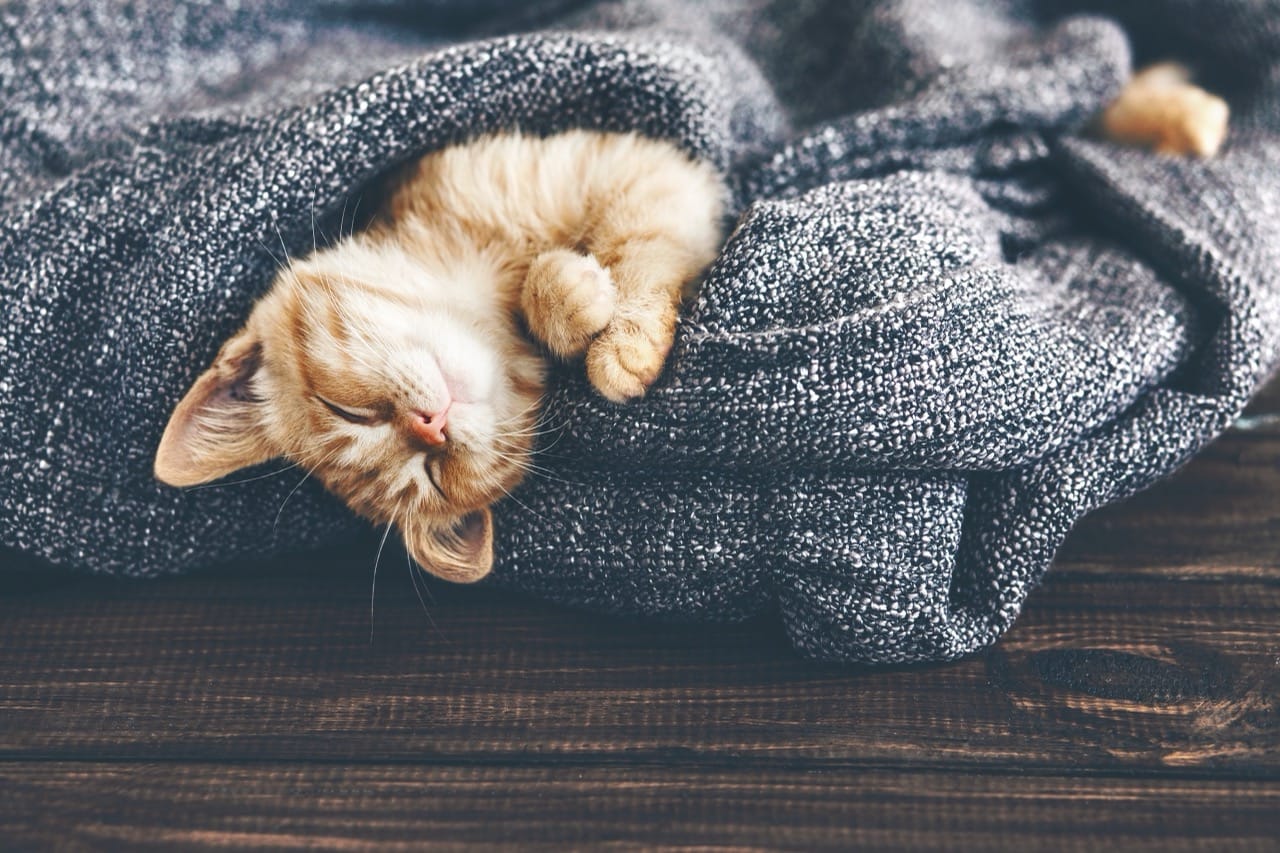
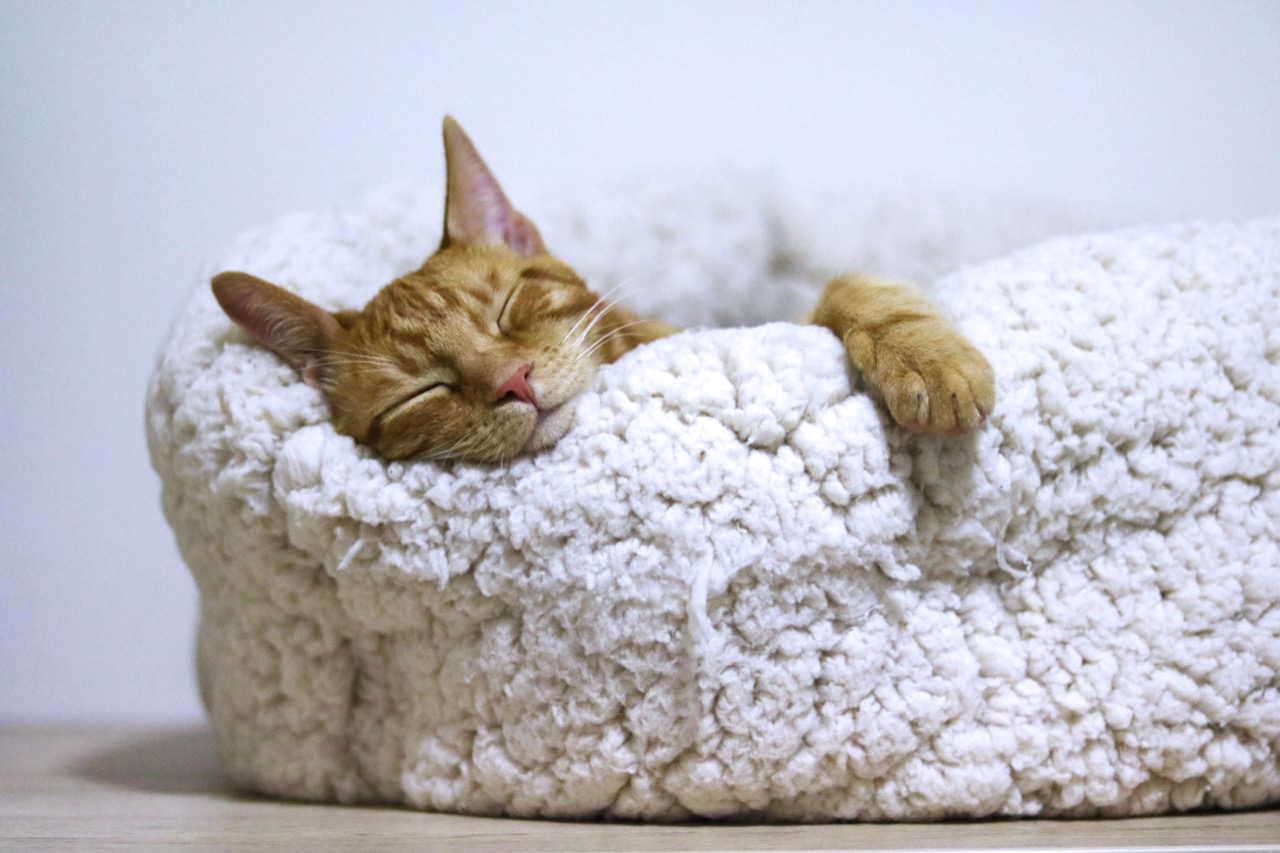
Sleep, zoomies, and the hunter’s schedule Cats sleep a lot, commonly dozing 12 to 16 hours a day, sometimes more. This is not laziness so much as energy budgeting. Predators that hunt in short bursts conserve fuel between efforts. Many cats are most active at dawn and dusk, matching the activity patterns of typical prey. The famous zoomies can be a burst of stored energy, a response to boredom, or simply a playful release of tension.
Social signals and the language of purrs Cats communicate with a mix of posture, facial expressions, scent marking, and sound. A slow blink can signal comfort and trust. Tail position can indicate confidence, curiosity, or agitation, though context matters. Kneading often traces back to kittenhood and can be a self soothing behavior in adults. Purring is usually linked to contentment, but cats may also purr when stressed or in pain, possibly as a calming mechanism. Meowing is especially interesting because adult cats rarely meow at each other. Many reserve it for humans, as if they have learned that people respond to vocal cues.
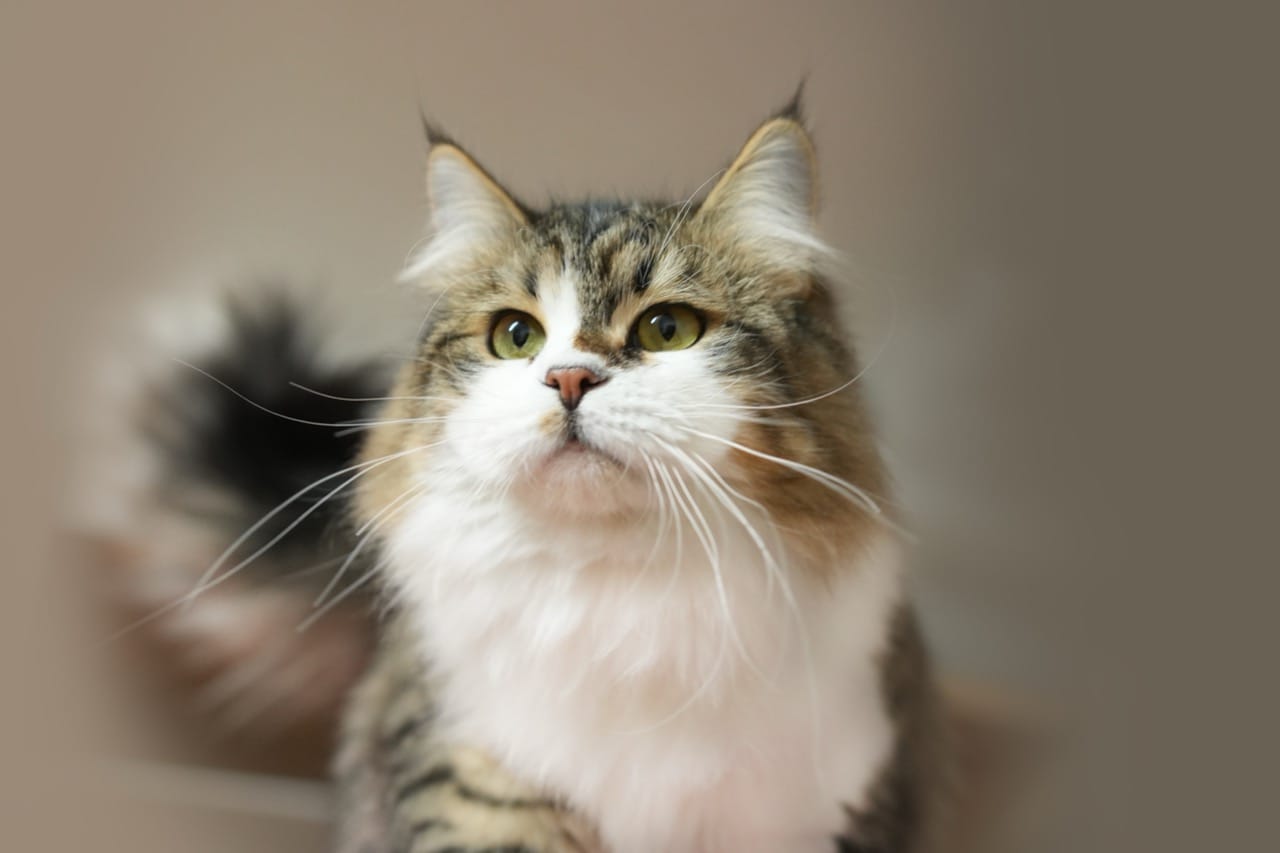
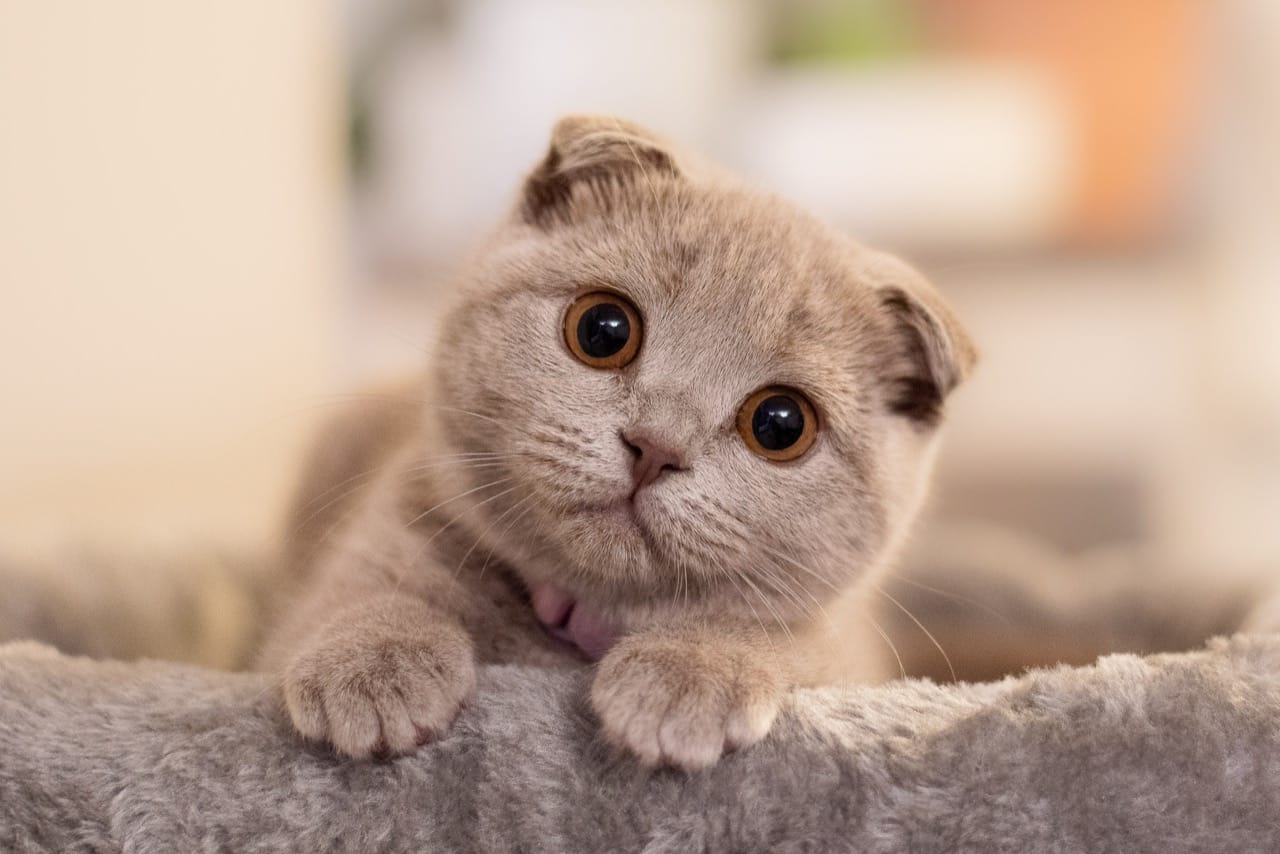
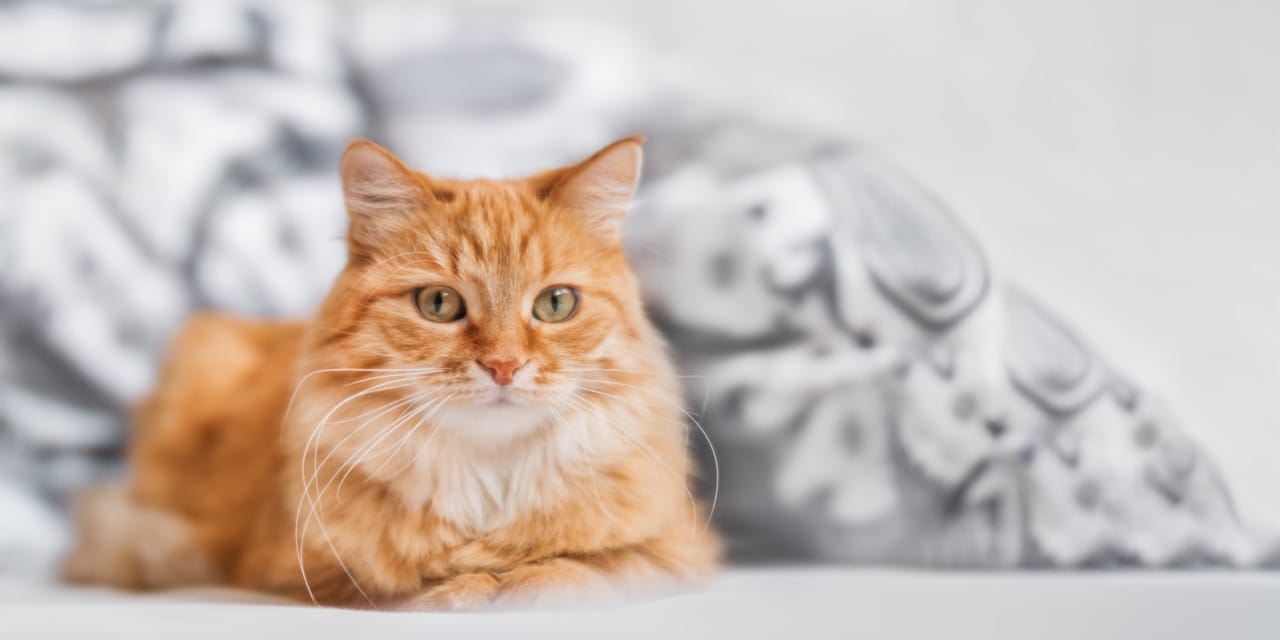
Breeds, genetics, and record breaking oddities Selective breeding has produced striking variety, from long haired coats adapted to colder climates to hairless or short coated cats that need extra warmth. Genetics can influence coat color patterns, eye color, and even traits like polydactyly, where cats have extra toes. Some famous cats have set records for jumping, loud purrs, or exceptional longevity, reminding us that individual variation can be as remarkable as breed differences.
Conclusion Cats are not just cute roommates with impeccable grooming habits. They are finely tuned predators, skilled communicators, and long time partners in human history. The next time a cat freezes to stare at an empty corner, launches into a hallway sprint, or offers a slow blink from across the room, you will be seeing a small piece of an ancient and highly specialized way of life. Knowing these details makes every quirky moment feel like part of a bigger, fascinating story.

.jpg)